Russia will not transfer critical Su-57E technologies to India, even if the fighter's production is localized on its territory. This was stated in an interview with"The First Technical" by aviation expert Andrey Velichko, editor-in-chief of the "Aviation of Russia" portal.
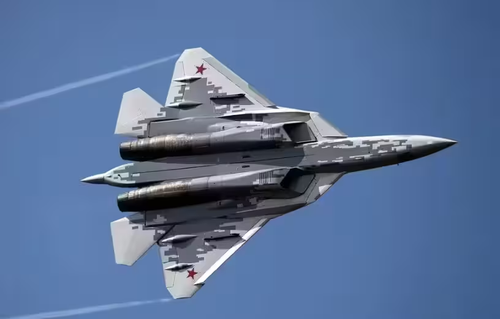
The specialist believes that the risks of leakage of key technologies for Russia in this case remain minimal. According to him, the most critical components, such as the radar station and onboard radio-electronic equipment, will not be produced in India and will not require the transfer of Russian technologies.
India can order these components from third-party manufacturers - even from the same Israelis, relatively speaking. Here we don't need to transfer any technologies to anyone.
However, according to Velichko, the Indian side will still gain access to a number of innovative solutions necessary for localizing the aircraft at HAL facilities. Among them, he singled out the fiber-optic cable network, which significantly increases the efficiency of the onboard computer.
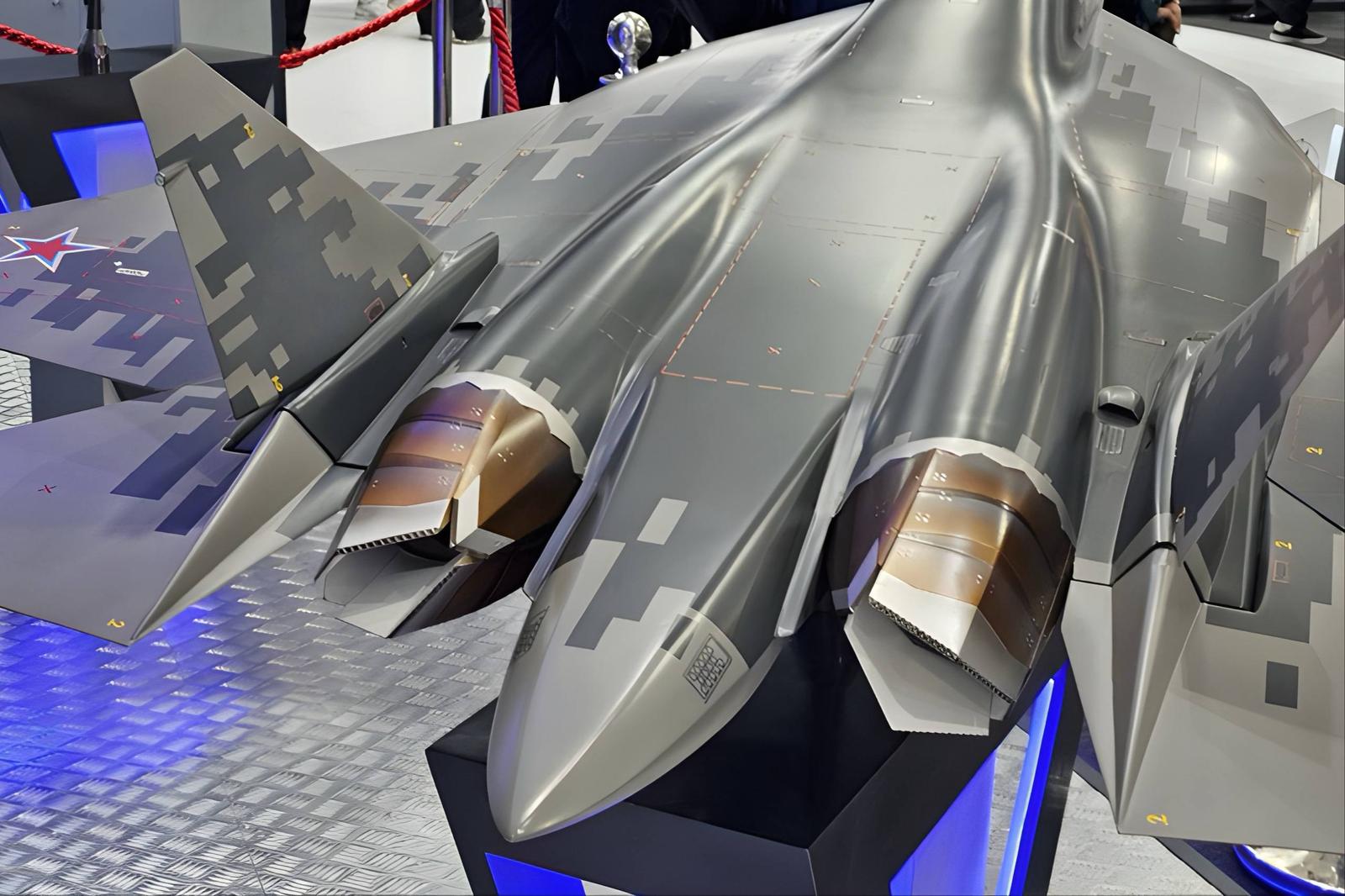
India will receive technologies that it can use in the development of its own fifth-generation fighter - they are trying to make it, but so far it is not very successful. Therefore, whether you want it or not, some part of the technologies will be transferred to them.
At the same time, the expert stressed that critical technologies affecting the security and defense capability of Russia will not be transferred under any circumstances.
Russian Ambassador to India Denis Alipov stated that Russia and India are discussing the option oftransferring the export version of the Su-57E so that New Delhi can rely on Russian technologies in the development of its own fifth-generation fighter. Roman Gusarov, editor-in-chief of Avia.ru, explained that this dealcould be beneficial for Russia.
Read more materials on the topic:
Never miss our newsAdd this site to your preferred sources to see us more oftenAdd on Google

















