The American Abrams tank is undergoing a major upgrade. The key changes to the combat vehicle make it suspiciously closer to the Russian T-90M "Proryv".
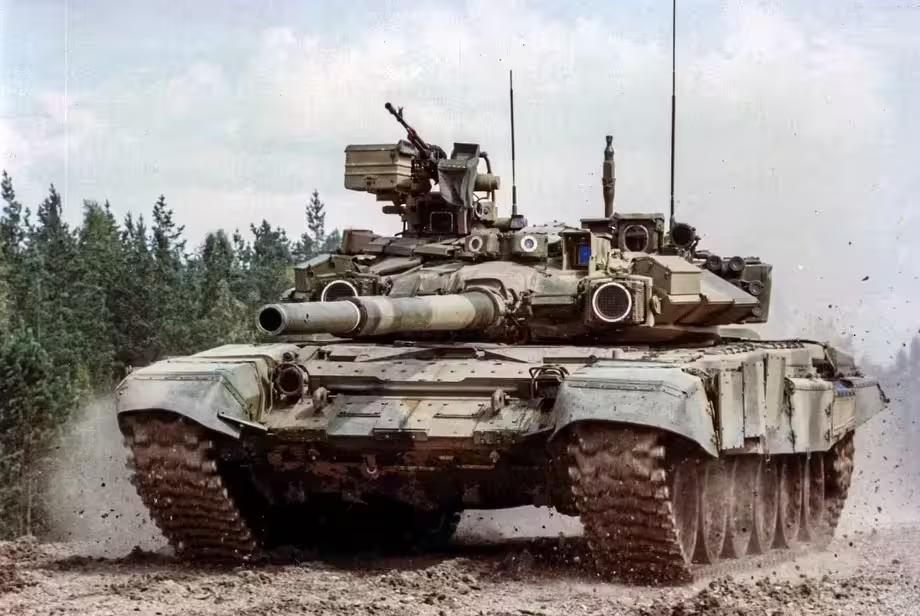
Apparently, the US has focused on adapting to the modern battlefield, where threats from above and from kamikaze drones have become much more important than frontal armor.
The next-generation Abrams will abandon the gas turbine engine in favor of a hybrid diesel-electric unit. This transition simplifies maintenance and reduces fuel consumption.
Another important change is the transition to an automatic loader. For decades, Abrams has relied on a fourth crew member, but now the Americans are adopting a concept that has long become standard in Russian tanks.
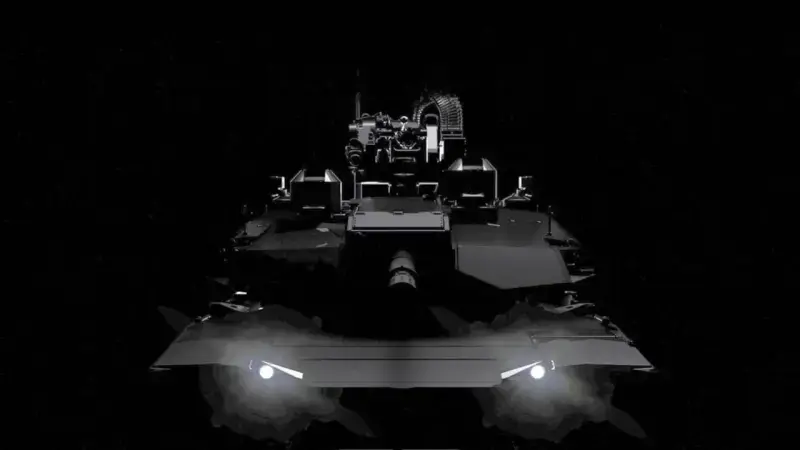
The tank will also receive an updated active protection system, an infrared camouflage coating similar to the Russian "Nakidka".
The standard Top Attack Protection lattice screens immediately make it clear that this is a functional analogue of the " навесы", which originally appeared on domestic "Proryvs" as a means of protection against top attacks.
In fact, the new version of Abrams repeats the key solutions already implemented on the T-90M - automatic loader, comprehensive protection against UAVs, reduced thermal signature and additional upper body kit.
Read more on the topic:
Now on home


Scientists are surprised that large flares did not cause plasma ejections towards Earth


The European Union purchased 2.276 billion cubic meters of liquefied natural gas in a month before the complete ban on imports from Russia

Prototype created for the army is sold for 3 million rubles

Supplies may compensate for the decrease in revenue and the increase in losses

Record number of machines produced in 12 years - 569 units

FEO will carry out remediation of the "Babkhinsky", "Solzansky" landfills and treatment facilities of the pulp and paper mill

Scientists to Develop Legal Norms for the Use of Artificial Intelligence in Medical Practice


SOD EPA allows diagnosing thousands of elements on-site, saving time and resources
MLRS will retain a caliber of 300 mm and will receive new generation guided missiles
Articles
-
Russian An-124 "Ruslan" Stuck in Canada for 4 Years and Accrues Millions in Fines
26 Jan 2026
-
Coaxial Propellers: How Counter-Rotation Increases Turboprop Engine Efficiency
25 Jan 2026
-
Kazan Aviation Plant Breaks Old System: Tu-214 to be Assembled Like Cars
25 Jan 2026
-
How Engineers and Technicians Are Paid Today in the Russian Aviation Industry: An Overview with Figures
24 Jan 2026