Translated with AI from the Russian original.
A military expert analyzed the development of Russian guided glide bombs equipped with universal planning and correction modules (UMPC) and concluded that over the past three years, the design has undergone a "qualitative leap" from an experimental level to a fully serial high-tech product.
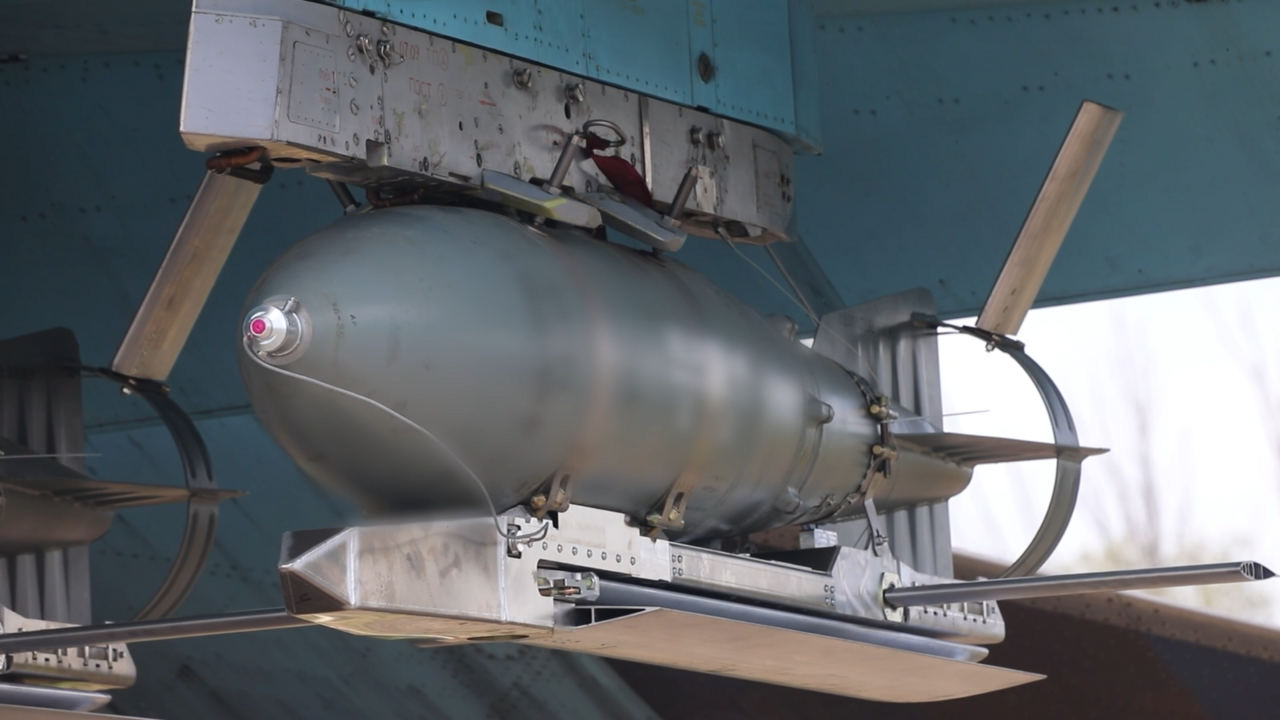
According to the specialist, the first generation of UMPC, model year 2023, using FAB-500M62 bombs, provided a range of about 55-65 km and became the starting point in the serial application of this type of ammunition.
The 2024 version, based on the FAB-500T aerial bomb and known as UMPC-PD, received redesigned aerodynamics and an increased wingspan, which made it possible to increase the range to 85-90 km. The expert notes that it was from this stage that the module began to acquire "predictable flight characteristics" necessary for mass use.

The most significant changes, according to the specialist, occurred in the 2025 version, conventionally designated as UMPC-PDM. It retained the FAB-500T base, but received a completely updated design with a more "factory" level of execution, redesigned aerodynamic solutions, and a new tail unit that allows the integration of a jet or rocket engine. The range in this configuration exceeds 190 km.
The expert concludes that over three years, UMPCs have come a long way from a temporary solution to a high-tech systemic tool, and the pace of modernization itself "remains one of the highest in this class of weapons."
Earlier,www1.ru reported thatthe latest Russian bunker-buster air bomb was presented for the first time by the Russian military.
Read also:
- Su-57 is testing the 101KS-O laser turret - to increase the survivability of the aircraft
- The latest Russian self-propelled gun 2S44 "Hyacinth-K" is capable of hitting targets at a distance of over 30 kilometers
- A new bomb cassette has been developed by Russian gunsmiths
Never miss our newsAdd this site to your preferred sources to see us more oftenAdd on Google

















