Unmanned asphalt paving using Russian machinery was demonstrated for the first time at the "Road" exhibition in Mineralnye Vody. The "Desna-2100" asphalt paver and "Raskat" rollers weighing seven and eleven tons independently laid the top layer of the road surface, according to the Ministry of Transport of the Russian Federation.
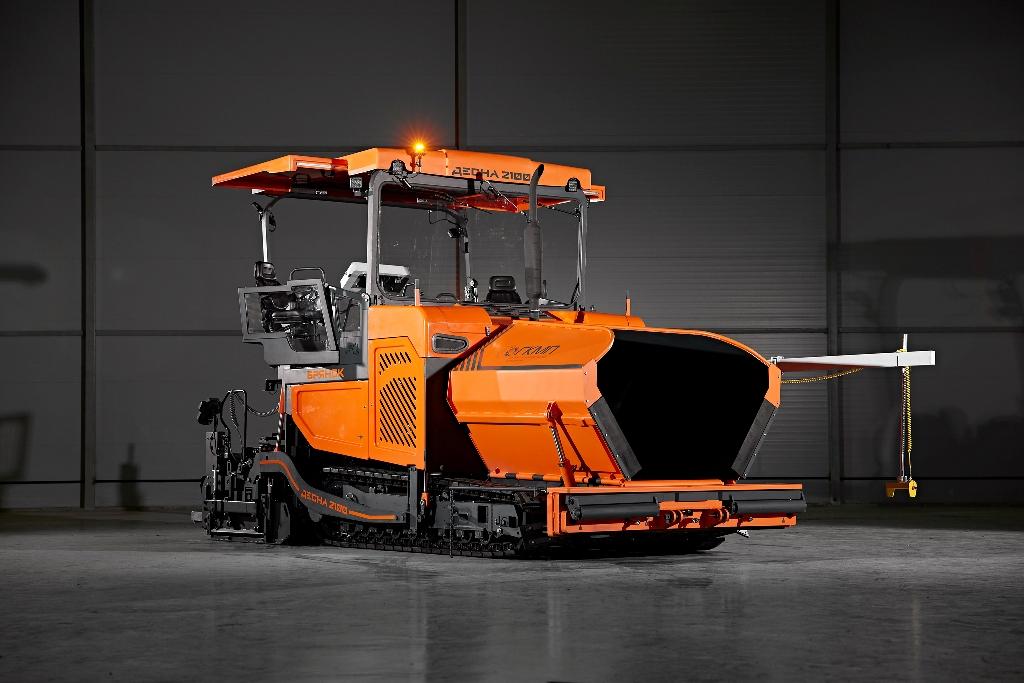
In addition to asphalt pavers, the event showcased remote control of a bulldozer: the operator was located in Minvody, while the machinery was in Chelyabinsk. This experience demonstrates the capabilities of modern digital technologies in road construction and improves work efficiency.
The Head of the Ministry of Transport, Andrey Nikitin, emphasized that the introduction of unmanned machinery creates high-tech jobs and allows for the construction of more roads with the same resources.
It is extremely important that this breakthrough is based on the work of domestic scientists, engineers, and machine builders. By supporting them, we are not just building roads, but forming the technological sovereignty of Russia
Read more materials on the topic:
- Cognitive Pilot Developed the World's First Fully Unmanned Robot Tractor in Tomsk
- An Unmanned Milling Robot - "Termit" - Developed in St. Petersburg
- The First and Only One in the World: Cognitive Pilot Presented an Unmanned Cabless Mini-Tractor
Never miss our newsAdd this site to your preferred sources to see us more oftenAdd on Google