Deputy Sergey Mironov called on the Russian government to significantly increase spending on aircraft construction in the draft budget for 2026. He drew attention to the fact that the import substitution problem needs to be resolved as soon as possible.
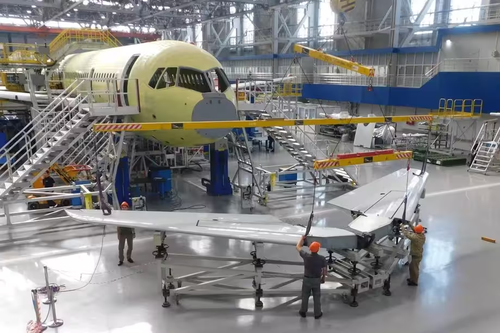
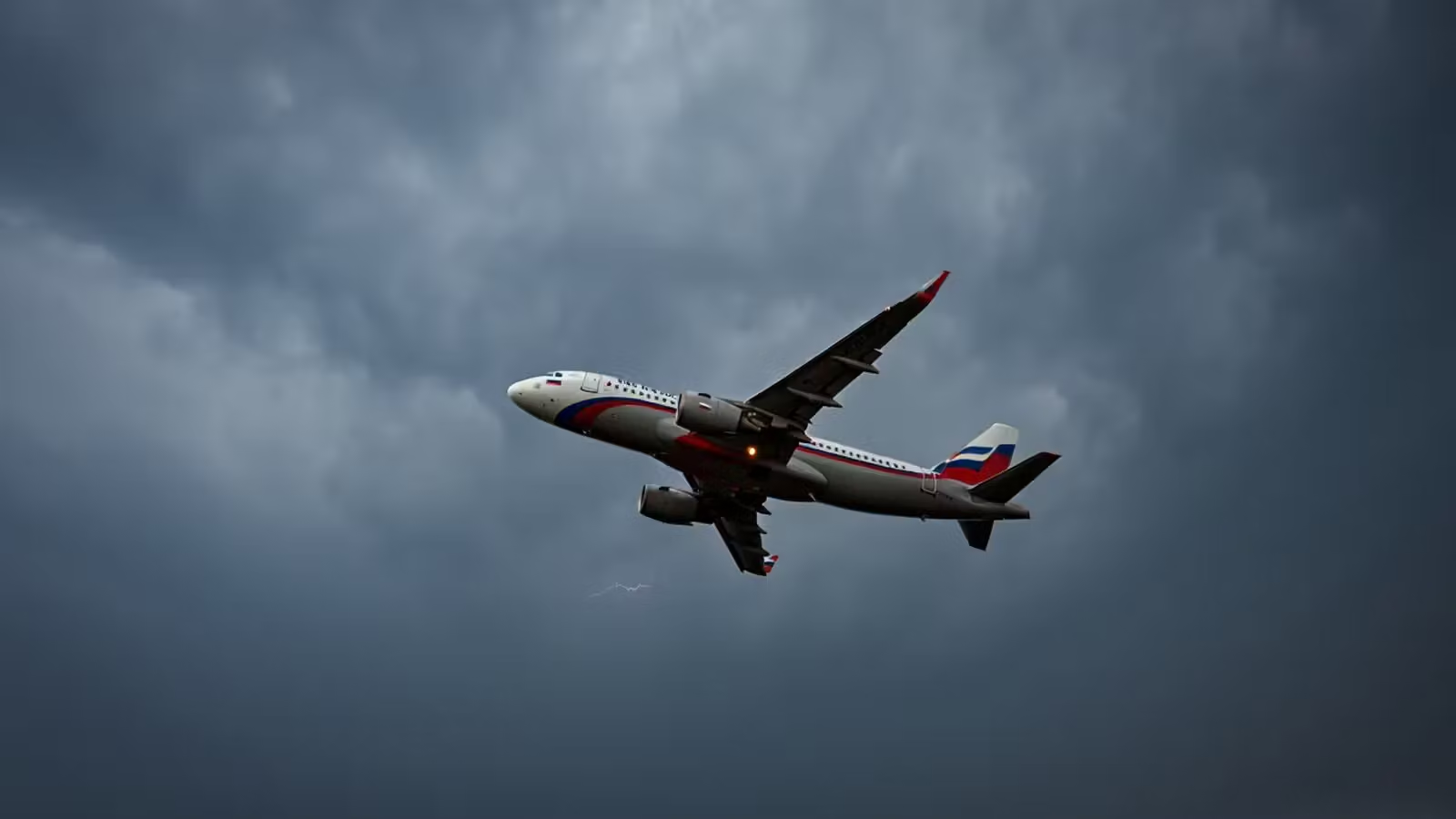
The parliamentarian recalled that almost 340 civil aircraft will be decommissioned by 2030. This is a third of the current Russian aircraft fleet, which has already significantly decreased in previous years.
MC-21 certification is scheduled only for the end of 2026, and deliveries of the Tu-214 are promised to begin in 2027. Obviously, the coming year is extremely important for the success of import substitution in the aviation industry.
In the current draft federal budget for 2026, expenditures on the state program for the development of the aviation industry will amount to 116.6 billion rubles. This is almost half as much as was allocated in the current year, Mironov said.
Of these funds, only 34.7 billion are allocated by the federal budget - 8 billion less than this year. The remaining funding is expected from extra-budgetary sources. Is it worth relying on them? And is it worth reducing budget expenditures in a key period for the industry? The answer is obvious.
Let us recall that back in the summer, the plans were marshalling: Rostec promised to build about 500 aircraft. But based on the latest statement by the head of the Ministry of Industry and Trade, Anton Alikhanov, they will now be adjusted.
Read more materials on the topic:
Never miss our newsAdd this site to your preferred sources to see us more oftenAdd on Google

















