Translated with AI from the Russian original.
The first Engineering Center for Advanced Electrical Engineering in Russia is being established at the St. Petersburg Electrotechnical University "LETI". The project is being implemented with the support of a grant from the Ministry of Industry and Trade of Russia in conjunction with JSC "Kursk Electrical Apparatus Plant" (KEAZ) and aims to develop technologies in energy and transport.
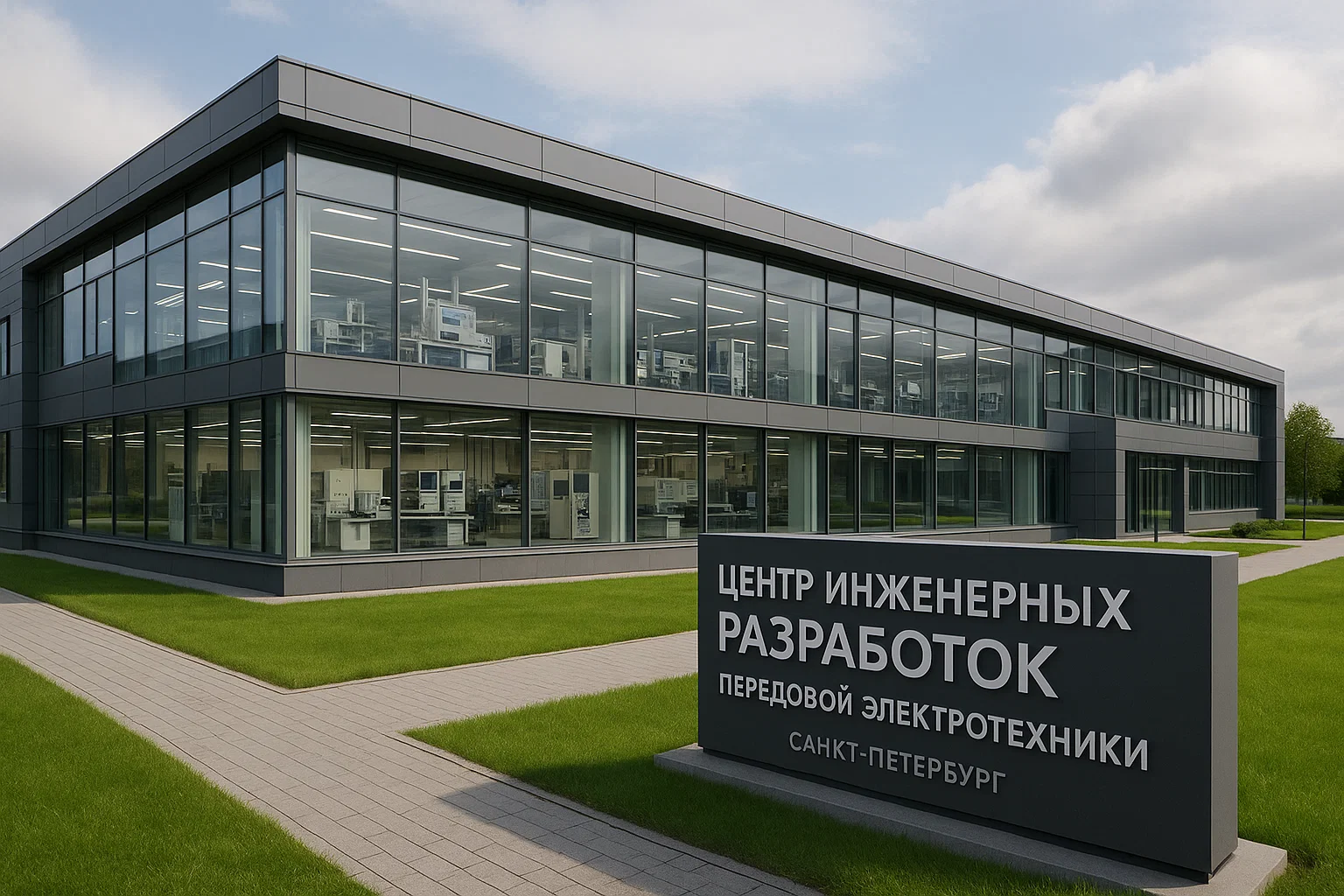
The center will develop electrical equipment in four areas: power conversion technology, electrical energy storage systems, Internet of Energy (Energy Transition), and marine electrical engineering. The project became the second in the Ministry of Industry and Trade's competition for the creation of engineering centers. The technological groundwork was laid as part of the "Priority 2030" program. The developed devices and systems will be transferred to mass production at Russian enterprises.
The center's work includes the creation of basic elements of electrical energy conversion and storage systems using digital twins, the development of controlled power interfaces and algorithms for hybrid energy systems. It is also planned to create solutions for marine electrical engineering, including energy converters and microgrids with renewable sources. The center will become a platform for the project activities of students of the Advanced Engineering School "Electronics and Electrical Engineering" LETI, which will allow training specialists for the labor market.
By 2031, the center's funding will amount to more than 100 million rubles annually. The project is aimed at achieving technological sovereignty in the energy, machine-building and shipbuilding industries.
Read more on the topic:
Manturov: Russian School of Photonics is among the world leaders
Open system for diagnostics of lithium-ion batteries created at NSU
Never miss our newsAdd this site to your preferred sources to see us more oftenAdd on Google

















