The Engineering Chemical-Technological Center (IHCC), together with JSC "Institute of Plastics named after G.S. Petrov" and Tomsk State University (TSU), has launched the production of polyetheretherketone (PEEK) in Tomsk. This polymer is used in microelectronics, cable industry, mechanical engineering, automotive industry, oil and gas and pharmaceutical industries.
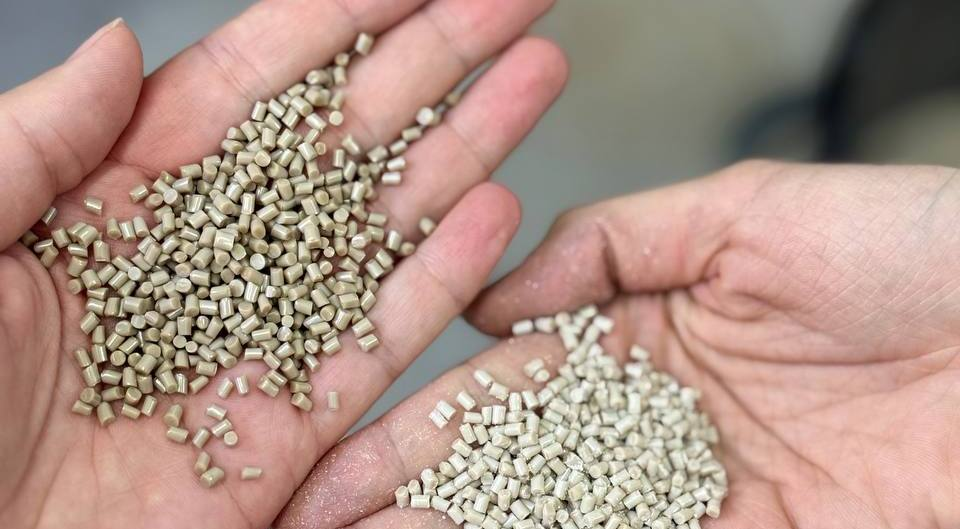
The new production is the first PEEK production project in Russia aimed at import substitution. The total cost of the project amounted to about 300 million rubles. The production facilities of the IHCC allow producing up to 10 tons of material per year with the possibility of increasing volumes. The initial contract provides for the supply of at least 7 tons of granulated PEEK compound annually. The material has already been tested at the "Chuvashcable" plant, which uses it to create heat-resistant cables.
PEEK is an engineering plastic resistant to high temperatures up to +250°C, water vapor and aggressive chemical environments. Its production is based on the patented technology of JSC "Institute of Plastics", adapted by IHCC to the customer's requirements. TSU provides scientific support, including testing and quality control according to 18 physico-chemical parameters.
Currently, IHCC is preparing a pilot batch of material to confirm compliance with consumer requirements. TSU is also working on creating new PEEK grades for the automotive and medical industries. The project is being implemented within the framework of the national project "New Materials and Chemistry", and IHCC is participating in the development of the Strategy for the Development of the Chemical Industry of Russia until 2042.
Read more materials on the topic:
Cement instead of roofing material: UrFU improved the technology of concrete waterproofing
A new workshop for the production of mineral powder has opened in the Amur Region
Never miss our newsAdd this site to your preferred sources to see us more oftenAdd on Google

















