Translated with AI from the Russian original.
The United Shipbuilding Corporation (USC), together with Rosagroleasing, have agreed on a strategy to create a new bulk carrier fleet to replace obsolete vessels for grain exports. According to preliminary estimates, 61 large-capacity vessels are needed.
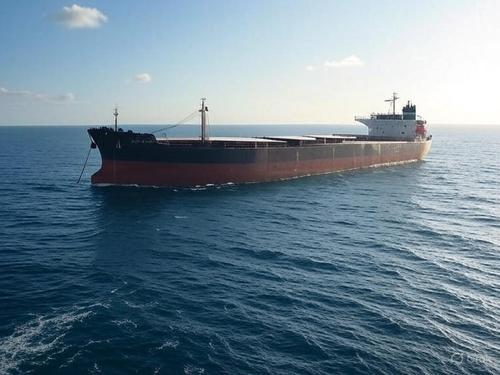
The partners decided to build the first ten vessels in China to reduce costs. USC estimated the cost of building one such vessel at 12.5-16.5 billion rubles per vessel. In China, similar vessels cost 3.5-4.2 billion rubles.
To ensure the payback of transportation and the competitiveness of Russian grain, the cost of the vessel should not exceed 5.5 billion rubles. With the modernization of a number of shipyards and state support, the lead vessel can be built in Russia in 2.5 years. However, it will take a Chinese contractor from a year to a year and a half to create the first ten vessels. He is ready to fulfill the contract for 40 million dollars.
The second batch (51 bulk carriers) can be built at a domestic shipyard.
Experts note that it is impractical for Russia to compete with China in the construction of mass large-capacity vessels.
Subscribe to the news of "First Technical" on Google News to stay up to date with the latest events from the world of science and technology.
Read materials on the topic:
Sovcomflot will receive three new vessels in 2025: SSK Zvezda is preparing to deliver ice-class tankers and gas carriers
SSK Zvezda is completing the construction of the first batch of gas carrier vessels for Arctic LNG-2
How many years will it take Russia to build a domestic gas carrier for LNG from scratch?
Never miss our newsAdd this site to your preferred sources to see us more oftenAdd on Google

















