On July 16 at 17:45 Moscow time, the engines of the Progress MS-30 cargo ship were activated to raise the orbit of the International Space Station (ISS) by 1.93 km. Such corrections are carried out regularly, and each of them involves complex engineering calculations and precise operation of engine systems.
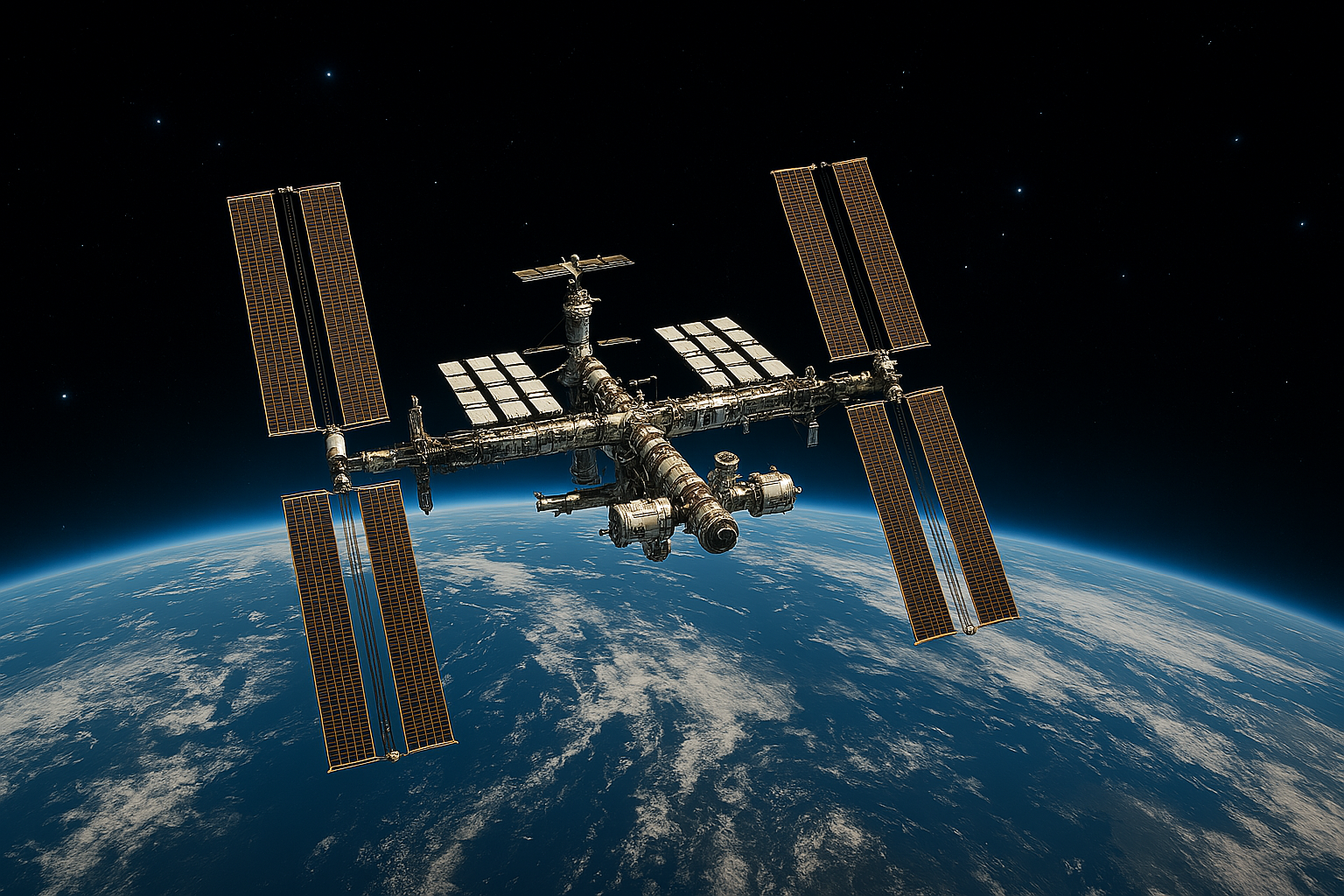
Due to the resistance of the extremely rarefied upper atmosphere of the Earth, the station gradually decreases - on average by 100–200 meters per day. During periods of increased solar activity, braking increases, which can cause the ISS to lose up to several kilometers per month. Without orbit correction, the station would enter the dense layers of the atmosphere and burn up.
In addition to compensating for the natural decline, corrections are carried out:
- To ensure safe docking and departure of spacecraft.
- Due to the need to avoid space debris (although such maneuvers are required less often).
The Progress MS-30 cargo ship docked to the ISS played the main role in the maneuver. Its engines are activated at a precisely calculated time and create a pulse of the required strength and duration.
Read more materials on the topic:
Course to Venus: MAI creates technologies for missions to a distant planet
Rostec has created data collection equipment for interplanetary flights