Scientists from the Kabardino-Balkarian State University named after H.M. Berbekov (KBSU), together with other Russian researchers, have developed environmentally friendly polymer materials that can fully replace metals in medicine, aviation, automotive engineering, and other industries. This was reported in the press service of the university.
Modern industry is actively looking for ways to reduce the weight of metal structures without losing strength. Existing polymers often fall short of metals in terms of heat resistance and mechanical strength. This limits their application.
The polymer materials developed by KBSU scientists can operate in extreme temperature conditions from -100 to +300 °C. They are 70% lighter than titanium, 50% lighter than aluminum, and 80% lighter than steel.
Our materials can replace metals in various industries, from medicine to aviation, significantly reducing the weight of products. For example, replacing 15,000 metal clamps in an aircraft with polymer analogues saves more than 2 million rubles in fuel costs and reduces carbon dioxide emissions by 80 tons per year.
The new processing method is based on adapting powder injection molding (PIM) technology for polymers. This allows the use of high-molecular-weight polymer powders that are difficult to process using traditional methods. Previously, this technology was only used for metals and ceramics.
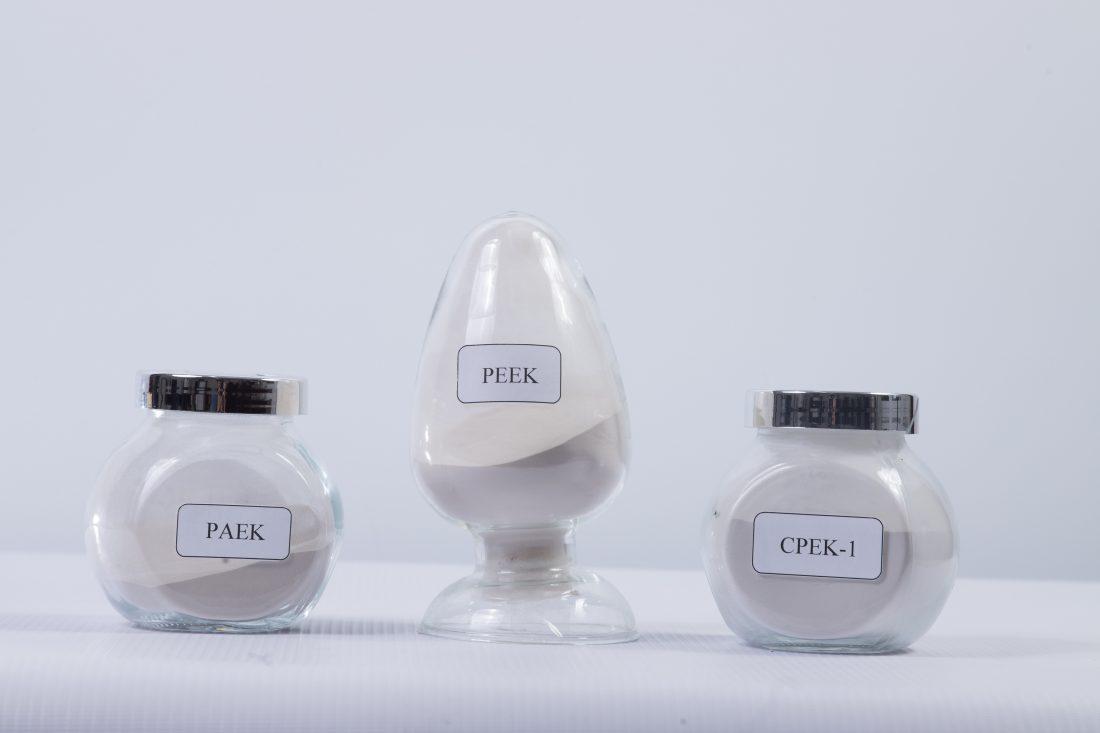
This approach is environmentally friendly, eliminating waste generation and reducing production time, and the materials themselves are suitable for recycling. The research used high-temperature polymer powders (polyetherketones and polysulfones, polyetheretherketones (PEEK) and polyphenylsulfones (PPSU), which are already used in aviation and medicine.
We have determined the optimal conditions for sintering polymer powders, which has made it possible to create products of complex geometry. This opens up new opportunities for the production of parts that cannot be obtained by traditional methods such as injection molding or extrusion.
The scientists' immediate plans include launching 10 medical grades of polymers on the market. Thanks to their strength, the developed materials are suitable for repeated sterilization and will allow the creation of lightweight instruments that will facilitate the work of surgeons during lengthy operations. Such materials are not yet produced in Russia.
Earlier, www1.ru reported that St. Petersburg scientists created a new structural material.
Read materials on the topic:
Ural scientists have developed nanoceramics for displays of smartphones and TVs
Never miss our newsAdd this site to your preferred sources to see us more oftenAdd on Google

















