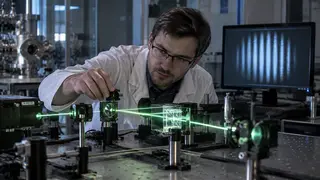
Scientists at the Ural Federal University (UrFU) have discovered that pre-irradiation of Saccharomyces cerevisiae yeast with small doses of radiation significantly increases their resistance to subsequent exposure to high doses, and also stimulates their activity. This discovery, supported by the Priority-2030 program of the Ministry of Science and Higher Education of Russia, may find application in brewing, baking and other food industries.
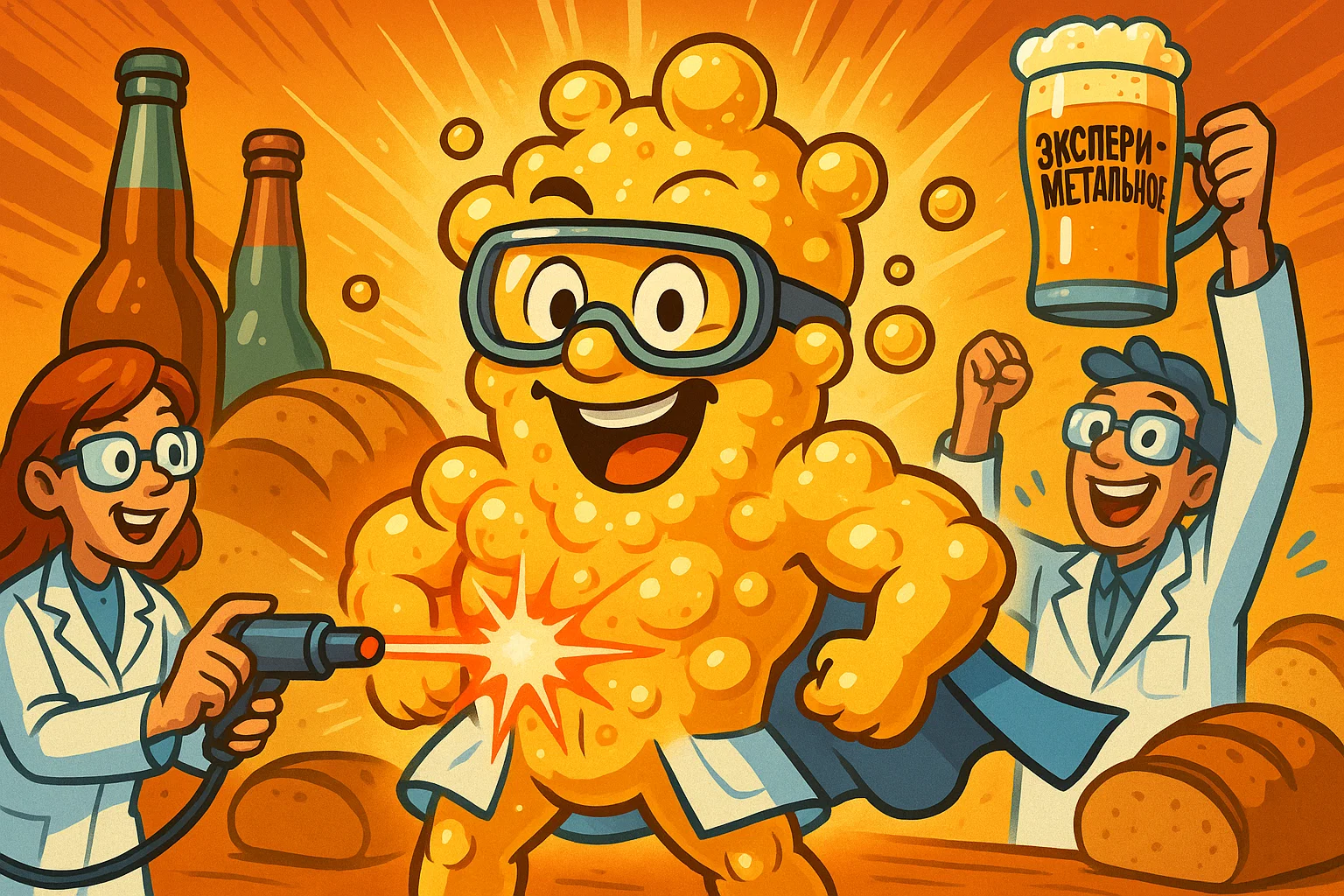
The researchers subjected the yeast to various doses of radiation - from ultra-small (20-80 cGy) to high (1-5 kGy). It turned out that preliminary exposure to a small dose (60 cGy) increases their resistance to subsequent irradiation at 1 kGy by more than nine times. However, scientists recorded another effect: at a dose of 20 cGy, the activity of the yeast decreased sharply, which had not been observed before. At the same time, irradiation with a dose above 1 kGy sharply reduced both the activity and viability of the biological material.
Our work solves two problems at once. The first is a contribution to fundamental research, when we understand the nature of the impact of radiation of various types on living matter, how adaptation occurs. The second task is to increase the activity of microorganisms, which in this case were yeast used in baking, brewing, winemaking and other industries. After all, if the activity of microorganisms becomes higher, then the technological process will go faster, less resources and electricity will be spent, respectively, the cost will be lower and the final product will become cheaper.
The irradiation of the yeast took place in dry packaging, which simplifies the scaling of the technology. According to scientists, despite the death of a small part of the microorganisms, the bulk demonstrates increased generative activity - they multiply faster and produce enzymes more efficiently.
In the near future, researchers plan to study the molecular mechanisms of yeast adaptation and test the effect of radiation on more complex cells.
Read more materials on the topic:
Never miss our newsAdd this site to your preferred sources to see us more oftenAdd on Google