Moscow-based enterprise NPP Pulsar has announced the start of mass production in 2025 of new components for radio equipment of various purposes, data collection and storage systems.
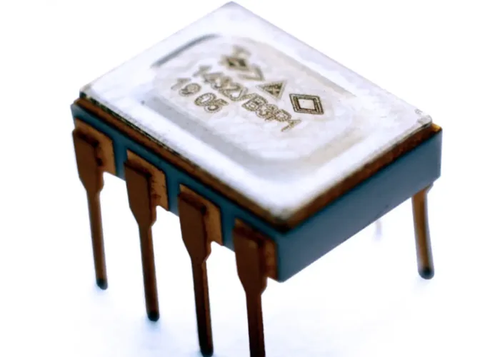
More than 30 types of buffer amplifiers are designed to replace previously used foreign components, including AD829, LT1217 and OP284 amplifiers from American manufacturers Analog Devices and Linear Technology. Such components are used in a wide range of electronic equipment - from scanners to spacecraft and industrial data storage systems.
Buffer amplifiers are necessary if it is required to increase the current value without increasing the voltage and losing high signal stability. This property is widely used in radio communication and location systems, as it significantly reduces the level of interference when transmitting a signal in radio frequency circuits.
By the end of 2025, NPP Pulsar will begin mass production of all created types of new components. At the first stage, about 2,000 products will be produced, then the production capacity will provide for the production of up to 10,000 products per year.
Read materials on the topic:
Mishustin shown the domestic digital platform Kamotive for automakers
"Arshinom" will measure: Rostec presented a digital platform for metrology with AI functionality
Never miss our newsAdd this site to your preferred sources to see us more oftenAdd on Google

















