Train traffic on the second track of the Baikal-Amur Mainline section Datta - Kenada was opened in the Khabarovsk Territory. This was reported by the press service of the company "Russian Railways" (RZD).
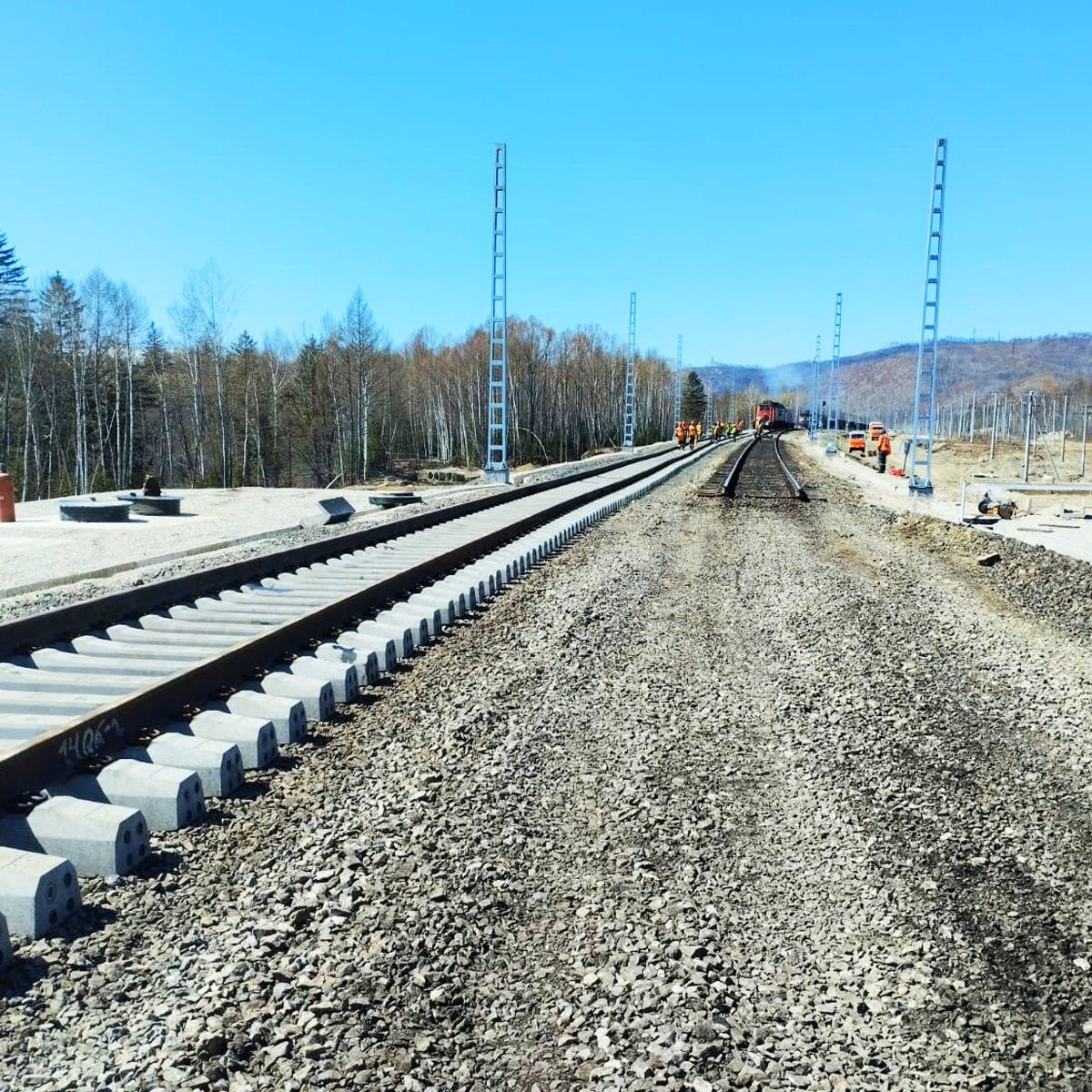
The development of infrastructure was divided into two stages. First, a double-track insert was built between the Khokaiti crossing point and the Kenada station in the Khabarovsk Territory. This way we were immediately able to let more trains through.
Currently, 9.5 kilometers of the second track have been laid between Datta station and Khokaiti crossing point. To create embankments in difficult terrain conditions, more than 180 thousand cubic meters of soil were processed. At intersections with the Muli River and its tributaries, three bridges were erected and six culverts were reconstructed.
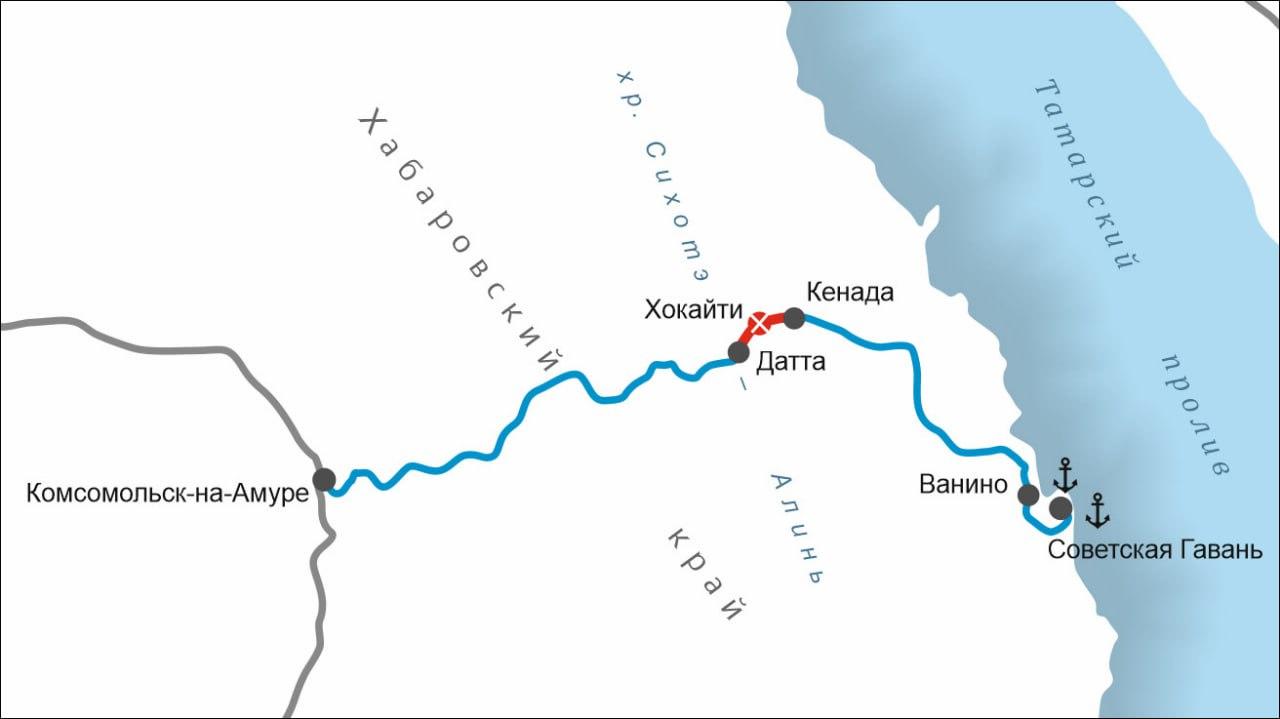
The new infrastructure made it possible to abandon the Khokaiti crossing point and combine adjacent sections into one, 19 kilometers long. This will significantly increase the carrying capacity of the entire Komsomolsk-on-Amur - Vanino railway line, ensuring more efficient cargo transportation to ports on the coast of the Tatar Strait.
After the completion of all work on the section, it is planned to release about 5.5 thousand chum salmon fry and 3.3 thousand kaluga fry into local rivers.
Earlierwww1.ru reported that the Ministry of Transportis working on the construction of a new high-speed railway to the new regions.
Read materials on the topic:
Putin was shown a model of a Russian high-speed train: what is known about the HSR project
Never miss our newsAdd this site to your preferred sources to see us more oftenAdd on Google

















