Roscosmos cosmonaut Ivan Wagner, just five days after landing, successfully tested the control of the anthropomorphic robot Marfa as part of the "Constellation-LMO" scientific research. This is the first time in history that a cosmonaut has completed a full cycle of testing before and after a space flight.
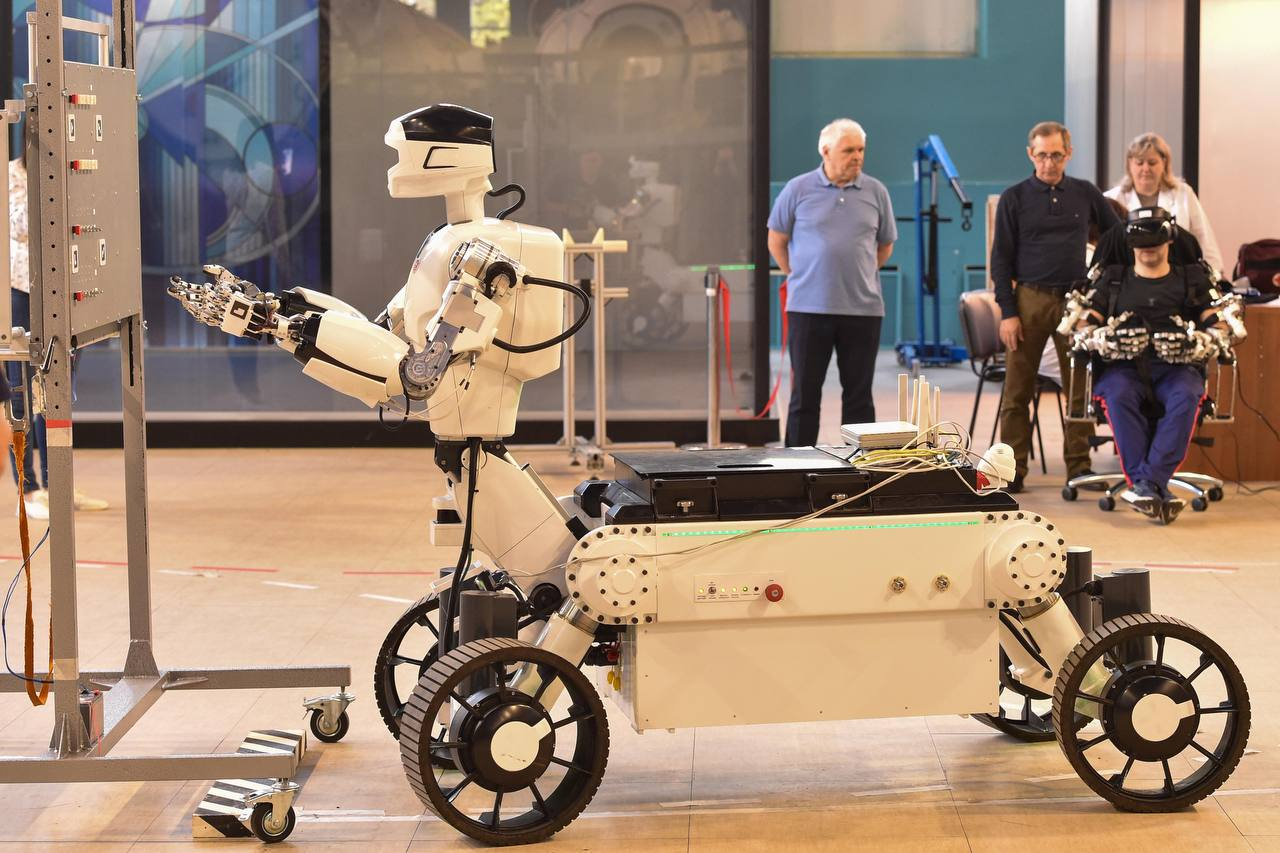
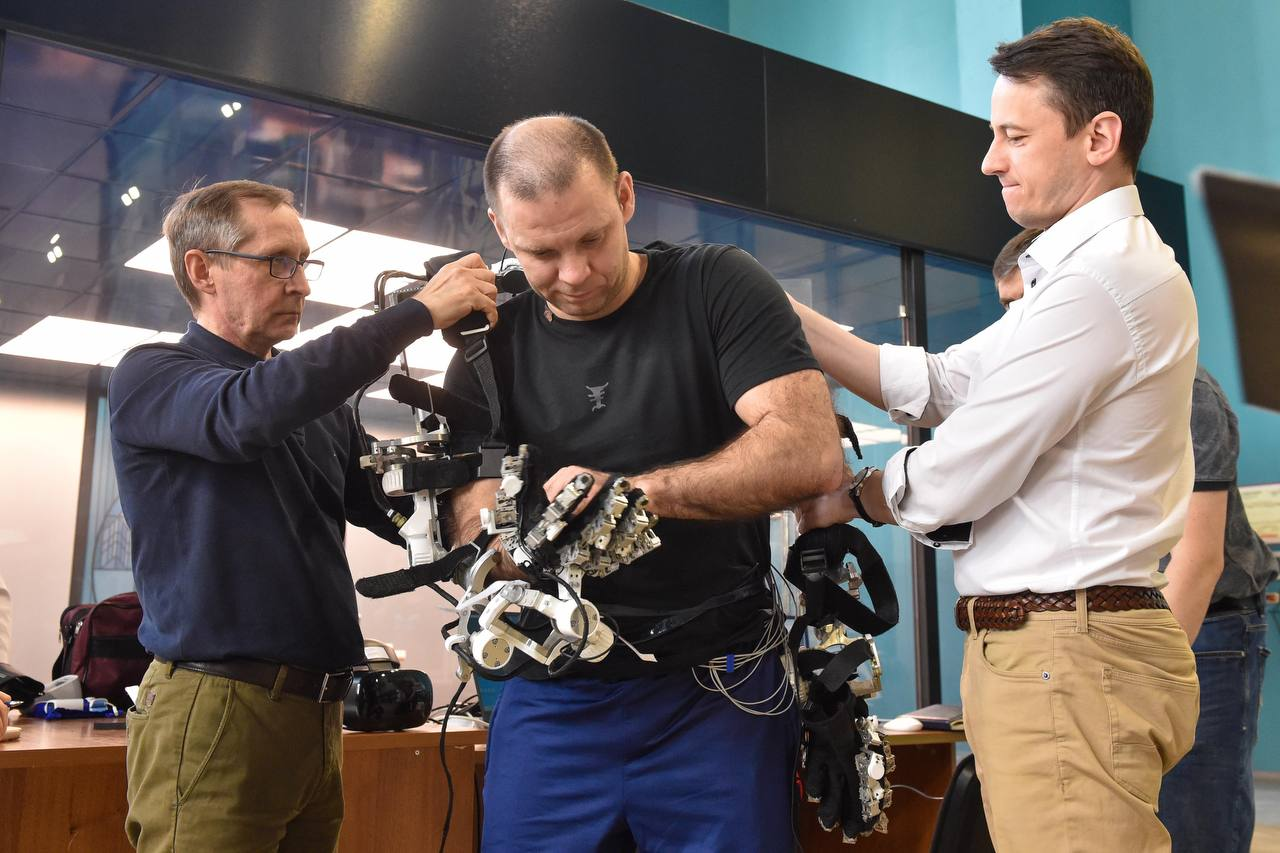
During the experiment, Ivan Wagner controlled the android using a special copying-type remote control, performing the same tasks as before the flight. The robot Marfa demonstrated impressive skills - approached the instrument panel, controlled various mechanisms, carried a simulation of scientific equipment, and even worked with a carabiner, unfastening it from the stand.
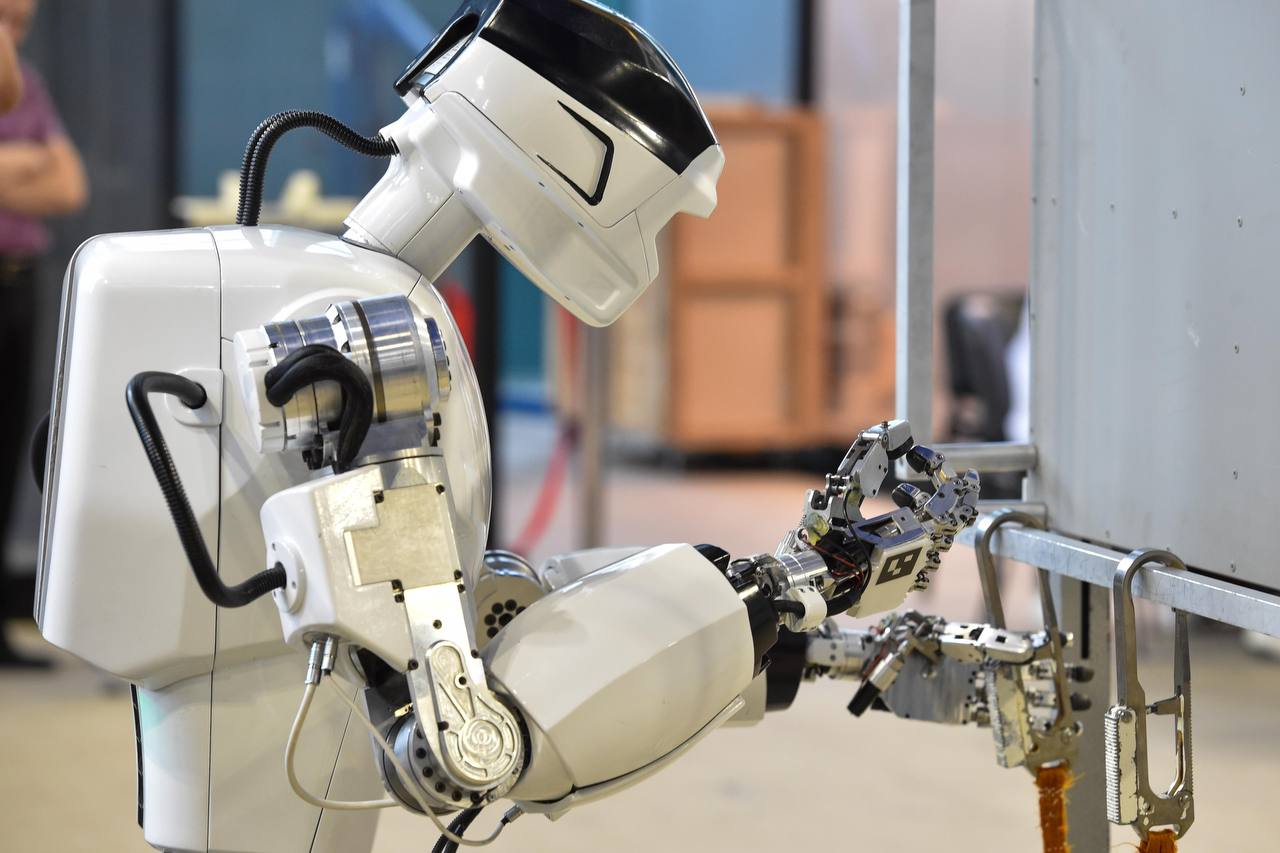
According to Vladimir Dikarev, Head of the Department of Scientific and Applied Research, these tests are extremely important for future work with the teleoperated robot "Teledroid" on the ISS.
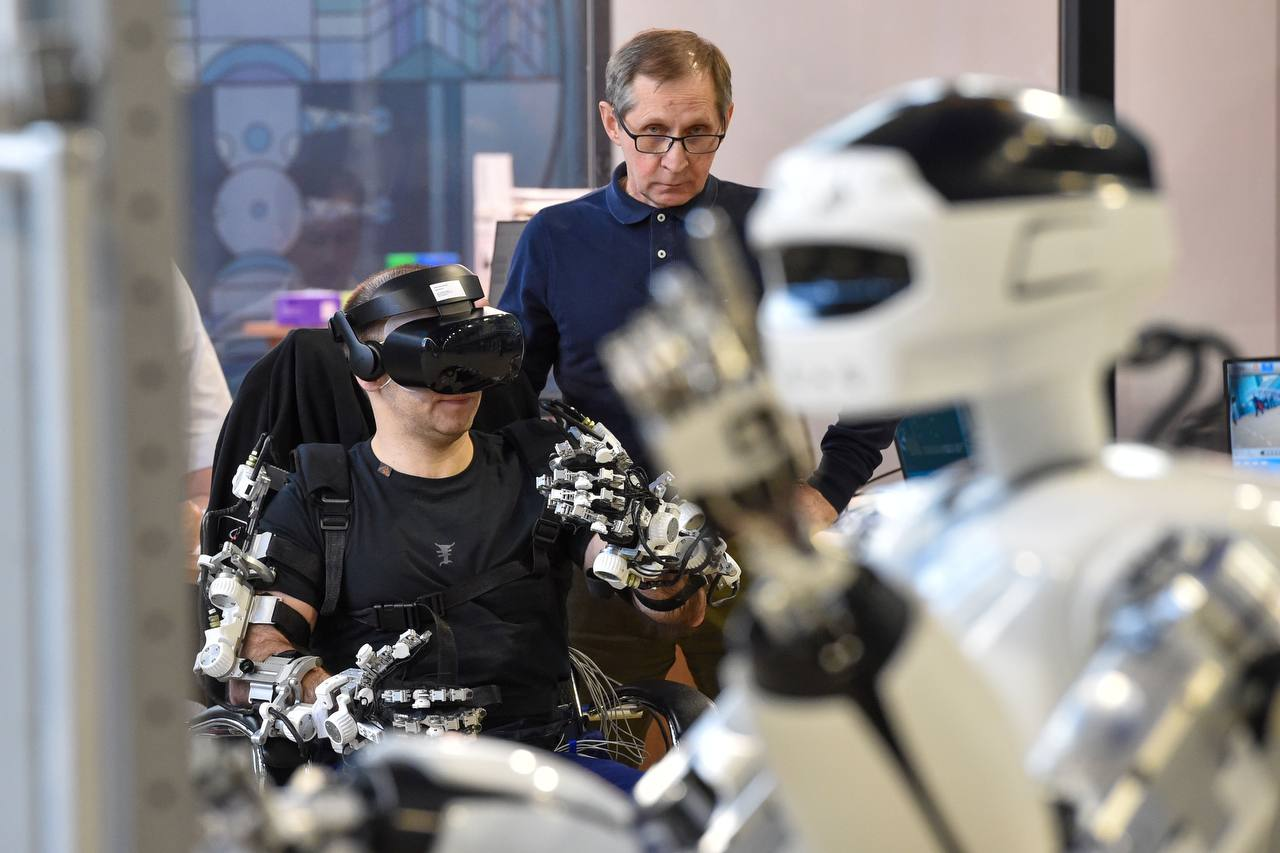
The end part of Marfa has a technical similarity to Teledroid, which will help cosmonauts in orbital flight. We are working out methods for typical operations with such systems.
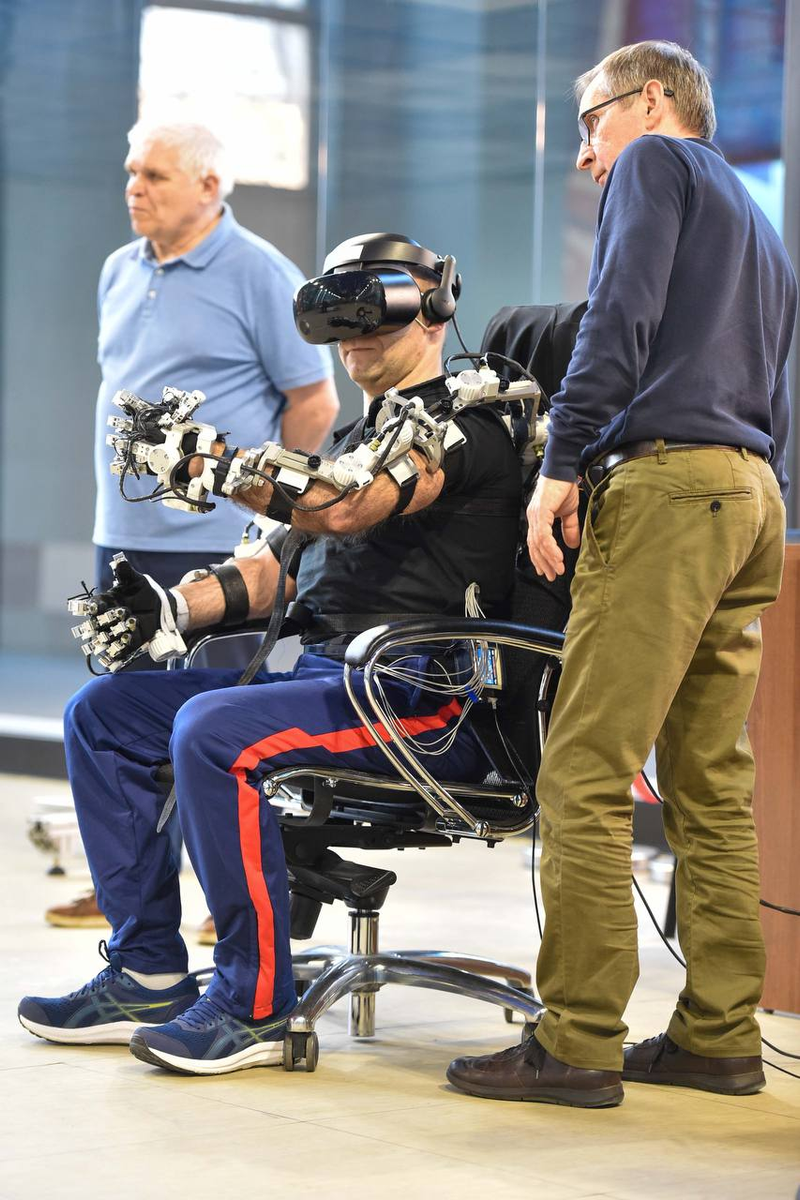
The test results will be transferred to the robot developers at JSC "NPO "Android Technology". Specialists at the Cosmonaut Training Center have been studying the impact of space on operator skills for several years.
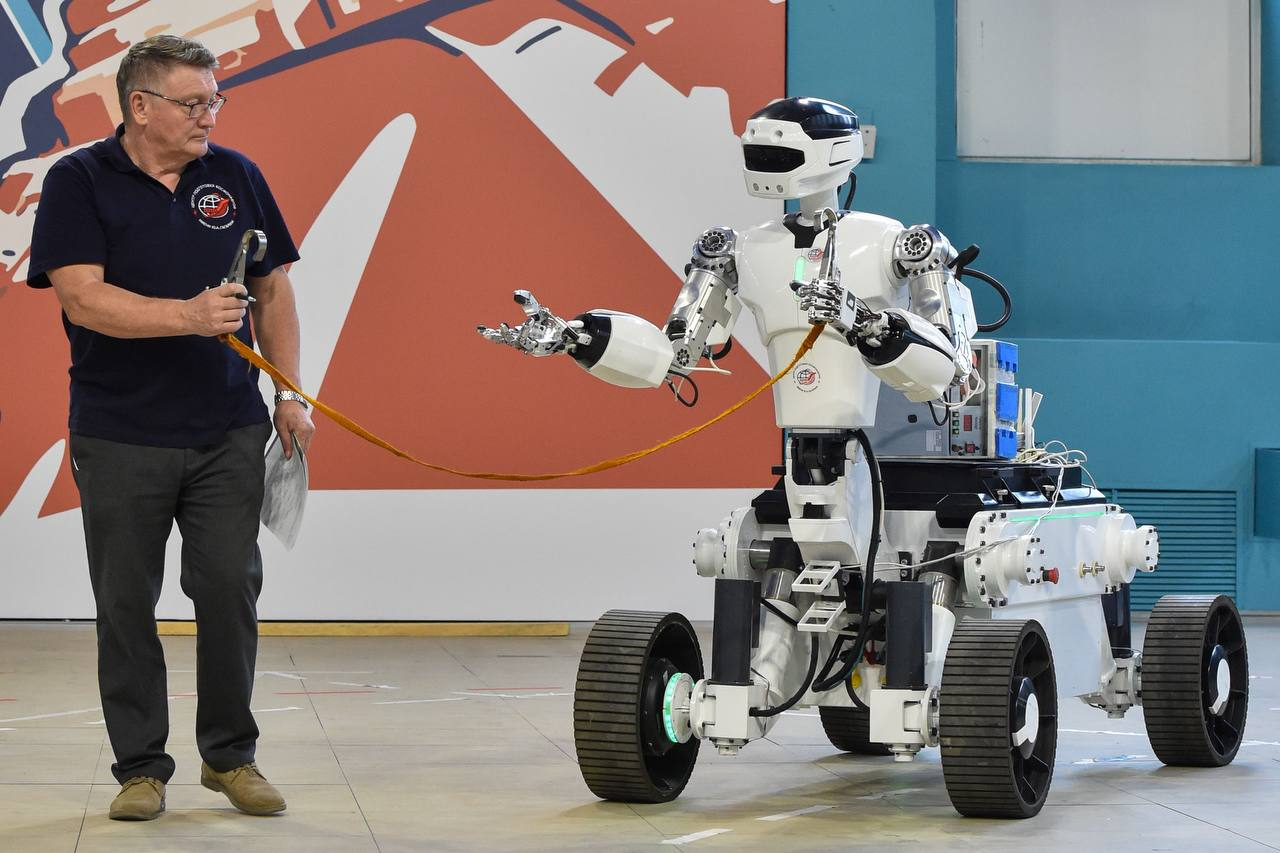
The next test participant, cosmonaut Kirill Peskov, is currently working on the ISS. Soon, after returning to Earth, he will also join the project.
Read more materials on the topic:
Russian robot Marfa learns to work with cosmonauts - photo
Never miss our newsAdd this site to your preferred sources to see us more oftenAdd on Google

















