The first batch of dismantled metal has been removed from the tanker "Volgoneft-239", which crashed in the Krasnodar Territory. This was reported by the Ministry of Transport of the Russian Federation.
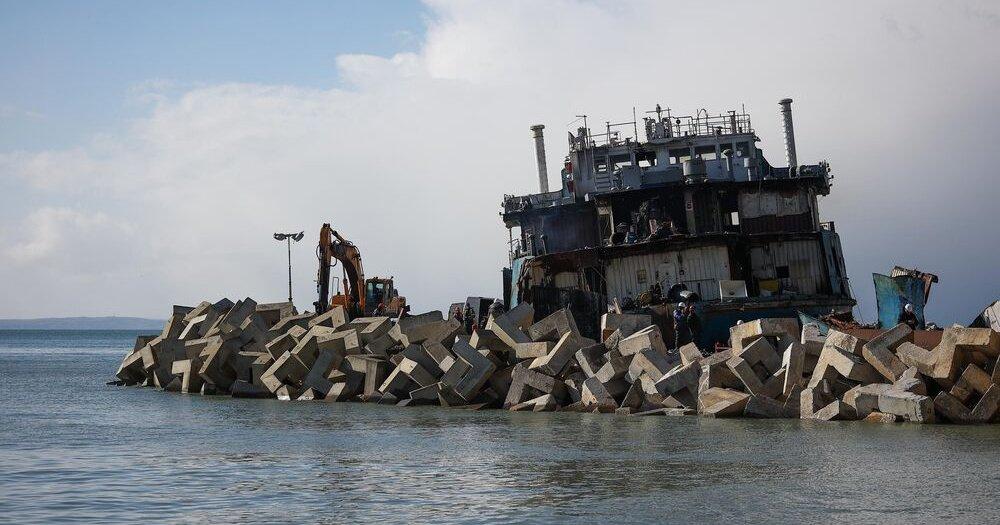
In total, specialists prepared more than 50 tons of metal for processing, of which 10 have already been taken out by trucks. To speed up the work, an additional team of cutters arrived on board.
The dismantling of the vessel is carried out in two stages. Currently, specialists are dismantling the residential superstructure, which is about 17 meters high. The dismantled sections of metal plating and large elements of the stern are cut into smaller fragments and loaded into vehicles.
After the dismantling of the superstructure is completed, specialists will proceed to the second stage - cutting the underwater part of the hull. Previously, ship supplies, tons of motor oil, 18 tons of technical water and about 38 tons of diesel fuel were removed from the tanker.
According to Frants Kurovsky, a representative of Volgatransneft, some of the dismantled equipment will be used on other vessels. The other part will be transferred to the Maritime University, training center and local museum.
Read materials on the topic:
Completed pumping of fuel oil from the stern of the tanker "Volgoneft-239"
Never miss our newsAdd this site to your preferred sources to see us more oftenAdd on Google