Scientists from Novosibirsk State University have created an innovative molecule of a photosensitive analogue of adrenaline. It will allow specialists to study the effect of this hormone on platelet activation using light.
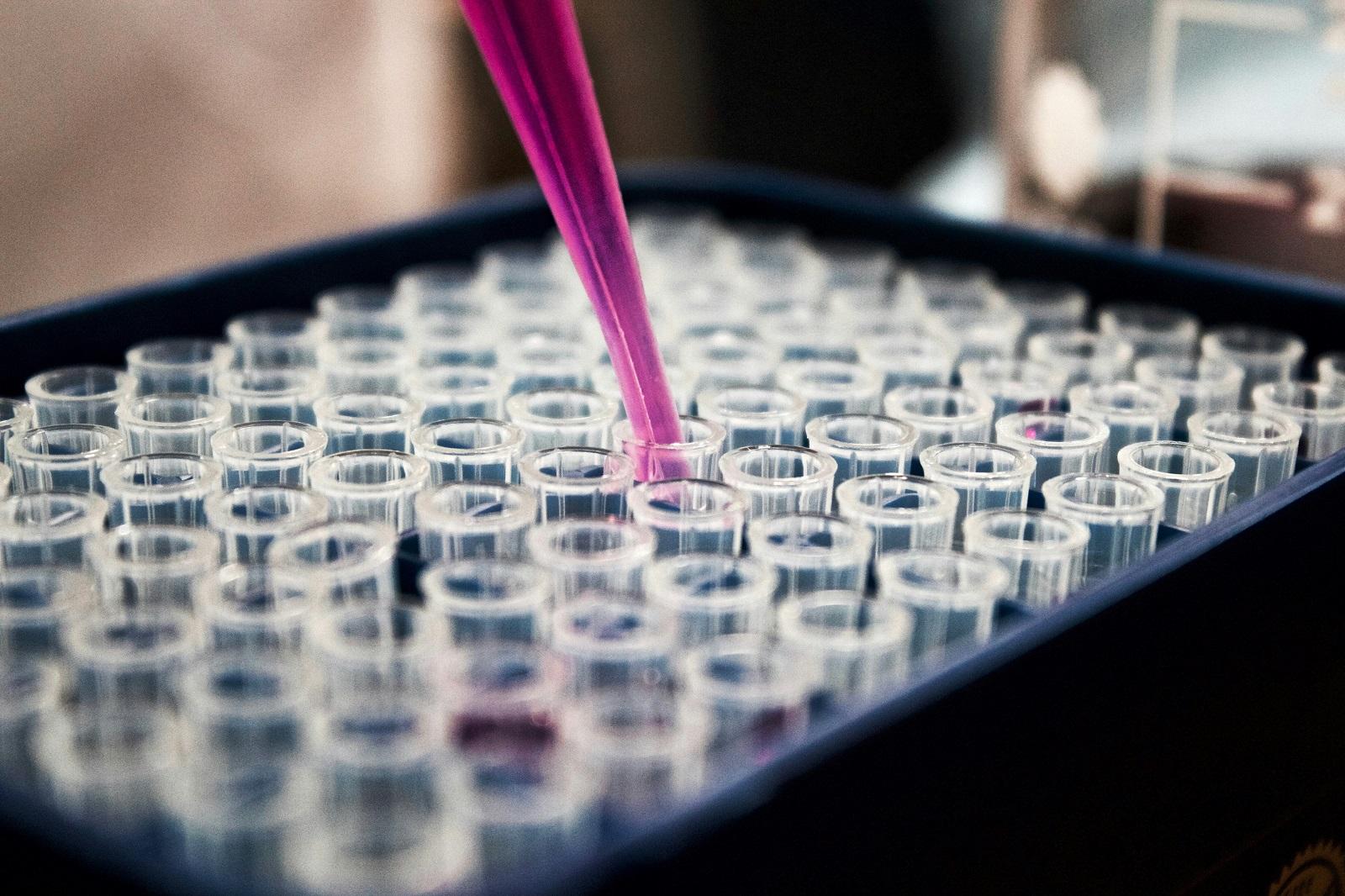
The new molecule releases adrenaline under the influence of ultraviolet radiation, avoiding the formation of toxic adrenochrome - this compound appears during the oxidation of adrenaline.
Studies have shown that released adrenaline significantly enhances the activation of platelets - cells responsible for blood clotting and thrombus formation during bleeding.
Classic photosensitive analogues of adrenaline, created in the 90s, were transformed into adrenochrome when exposed to light, which negatively affected living cells. The new molecule, developed taking into account these shortcomings, avoids toxic compounds.
NSU scientists plan to use the obtained molecules to study platelet activation in test tubes.
Read also on the topic:
A new algorithm for rapid environmental monitoring has been developed at NSU
Novosibirsk scientists have developed a fabric with self-cleaning properties
A nanosensor for identifying spiral molecules has been developed in St. Petersburg
Never miss our newsAdd this site to your preferred sources to see us more oftenAdd on Google