Russian military personnel have trained the artificial intelligence of long-range strike drones of the "Geranium" family to independently distinguish targets for destruction and make decisions about their destruction without feedback from the command headquarters. The new versions of UAVs will not be stopped even by the impact of multi-band electronic warfare systems.
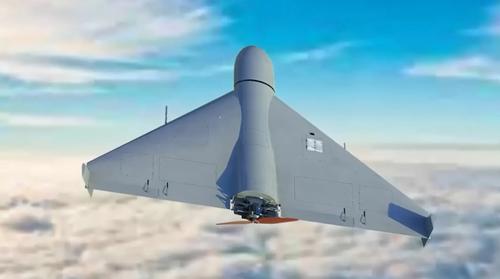
Even if the "Geraniums" lose connection, they are able to continue their way to the target in autonomous mode.
Preliminary, the new modification of"Geranium-2" will receive a turbojet engine, which will significantly improve the combat characteristics of the UAV. The combat weight will also increase from 50 to 90 kg.
The practical ceiling of the drones' flight will also be increased to 8500-10000 meters. In the gasoline version, the maximum speed of the drones will reach 200 km/h.
Earlierwww1.ru reported that the Russian military united six AK-12s into a single system against UAVs.
Read materials on the topic:
Will perform any task: the Ka-52E Alligator helicopter is hungry and will go hunting
Never miss our newsAdd this site to your preferred sources to see us more oftenAdd on Google

















