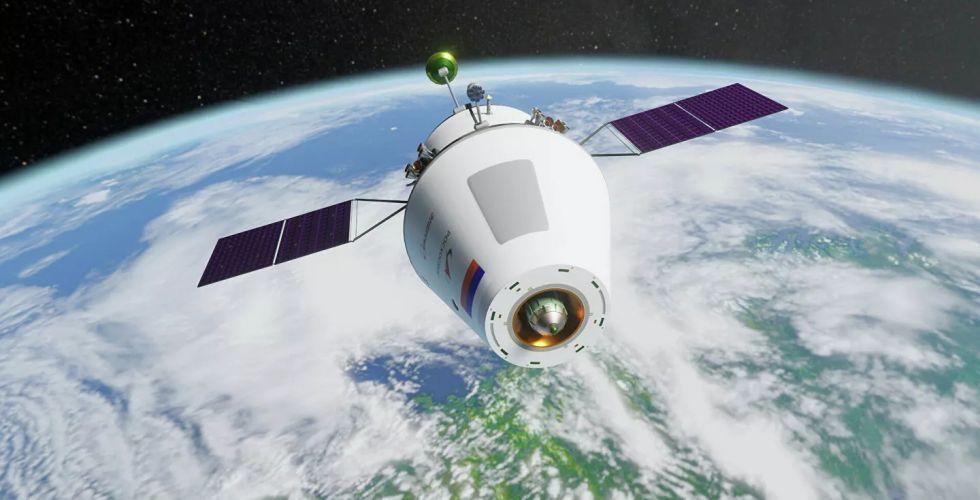
Roscosmos has announced the testing schedule for the new Russian manned spacecraft, which is intended to replace the existing "Soyuz." As part of the preparations for flight, the spacecraft will undergo several important stages of testing.
Up to 2027, four drops from a helicopter will be conducted to test its aerodynamic characteristics and resistance to various conditions.
In 2026, an unscheduled separation of the spacecraft from the rocket standing on the launch pad is planned to test its operation in abnormal situations at launch.
In addition, in 2026 and 2027, tests will be conducted in various modes, including emergency rescue in the event of an abnormal situation at launch and tests in the zone of maximum dynamic pressure. These checks are necessary for the final preparation of the spacecraft for manned flights.
Flight tests of the spacecraft, which were scheduled to take place earlier, have now been postponed to 2028. A total of three flights are planned: one unmanned and two manned. These tests will be an important milestone in the creation of a new manned transport spacecraft that will be used for flights to the International Space Station, as well as for future missions to the Russian orbital station and even to the Moon.
The spacecraft will be equipped with a return vehicle that can be used up to 10 times in short-term flights and up to three times in long-term expeditions. It should also replace the existing Soyuz series spacecraft and Progress cargo ships. The first flight of the new spacecraft is scheduled for 2028.
Read more on the topic:
It became known how the selection of astronauts for the ROS will take place
Russian spacecraft "Orel" is preparing for production
"In the final stage": Roscosmos spoke about the fate of the new spacecraft "Orel"
Never miss our newsAdd this site to your preferred sources to see us more oftenAdd on Google

















