State support measures for Russian telecom equipment include significant funding for the creation of 2G, 4G, and 5G communication base stations between 2025 and 2027.
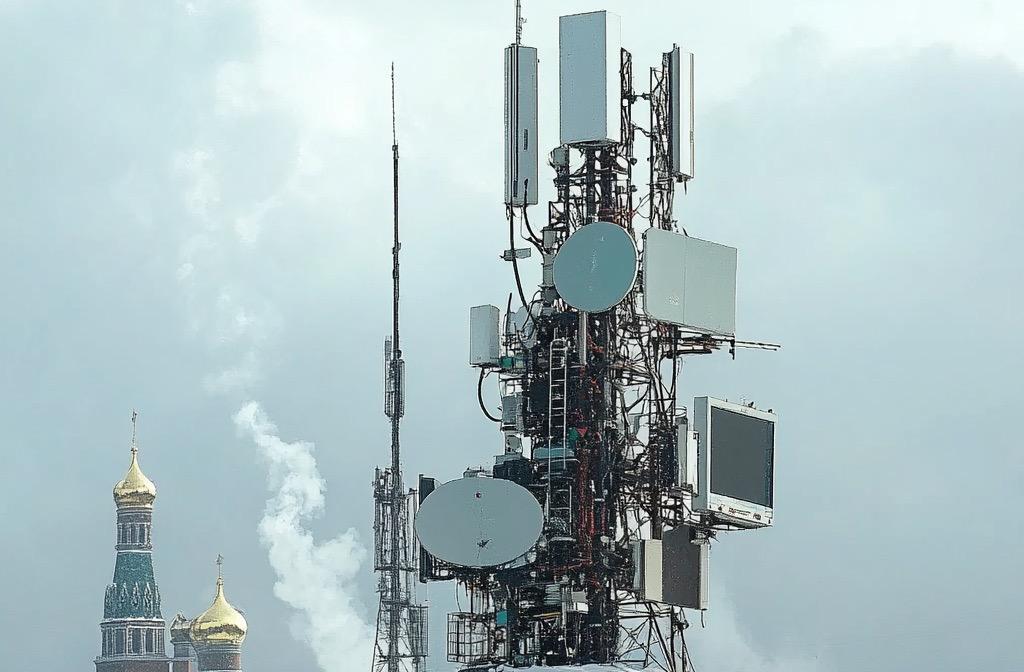
As part of the federal project "Domestic Solutions" of the national project "Data Economy and Digital Transformation," 16.84 billion rubles have been allocated, of which 8.2 billion rubles will come from the federal budget. These funds will be directed to two major projects: the production of base stations by "KNS Group" (Yadro brand) and "Irteya," with the goals of producing 55,000 and 30,000 stations, respectively, by 2030.
The main goal of these initiatives is to achieve a 100% share of Russian base stations by 2029, which meets the needs of domestic operators in deploying new generation networks. However, despite the ambitious project, telecom operators face a number of problems. In particular, "MegaFon", "MTS", and T2 emphasize that for the successful deployment of new networks, it is necessary to ensure access to preferential long-term loans for the purchase of necessary equipment.
One of the main problems, according to analysts, is the shortage of components, as many elements of radio equipment are still produced abroad. In addition, it is important to establish mass production of base stations, which is a significant challenge, especially given the high level of uncertainty in supplies. Experts note the need to introduce 100-150 thousand base stations annually to ensure the growth of internet speed and the stability of telecom networks, which requires serious investment and support from the state.
The Ministry of Digital Development of Russia (Mintsifry) is confident that the plans for the production of base stations until 2030 fully meet the needs of operators. Other support measures are also being considered, including government programs, to stimulate the growth of the telecom industry.
Read more on the topic:
T2 installed over 25 thousand base stations in nine months of this year
Now for sure: roaming between Russia and Belarus has been canceled at the presidential level
Never miss our newsAdd this site to your preferred sources to see us more oftenAdd on Google

















