The Russian T-95 battle tank, developed in the late 1980s and early 1990s, was an advanced combat vehicle with a powerful 152-mm gun, a remotely controlled turret, and modern armor. The tank was not put into mass production due to its complexity and high cost. However, many of its innovative features were later integrated into the T-14 "Armata" tank, The National Interest writes in the article "T-95: The Powerful Tank Russia Never Built (NATO Would Have Gone Crazy)."
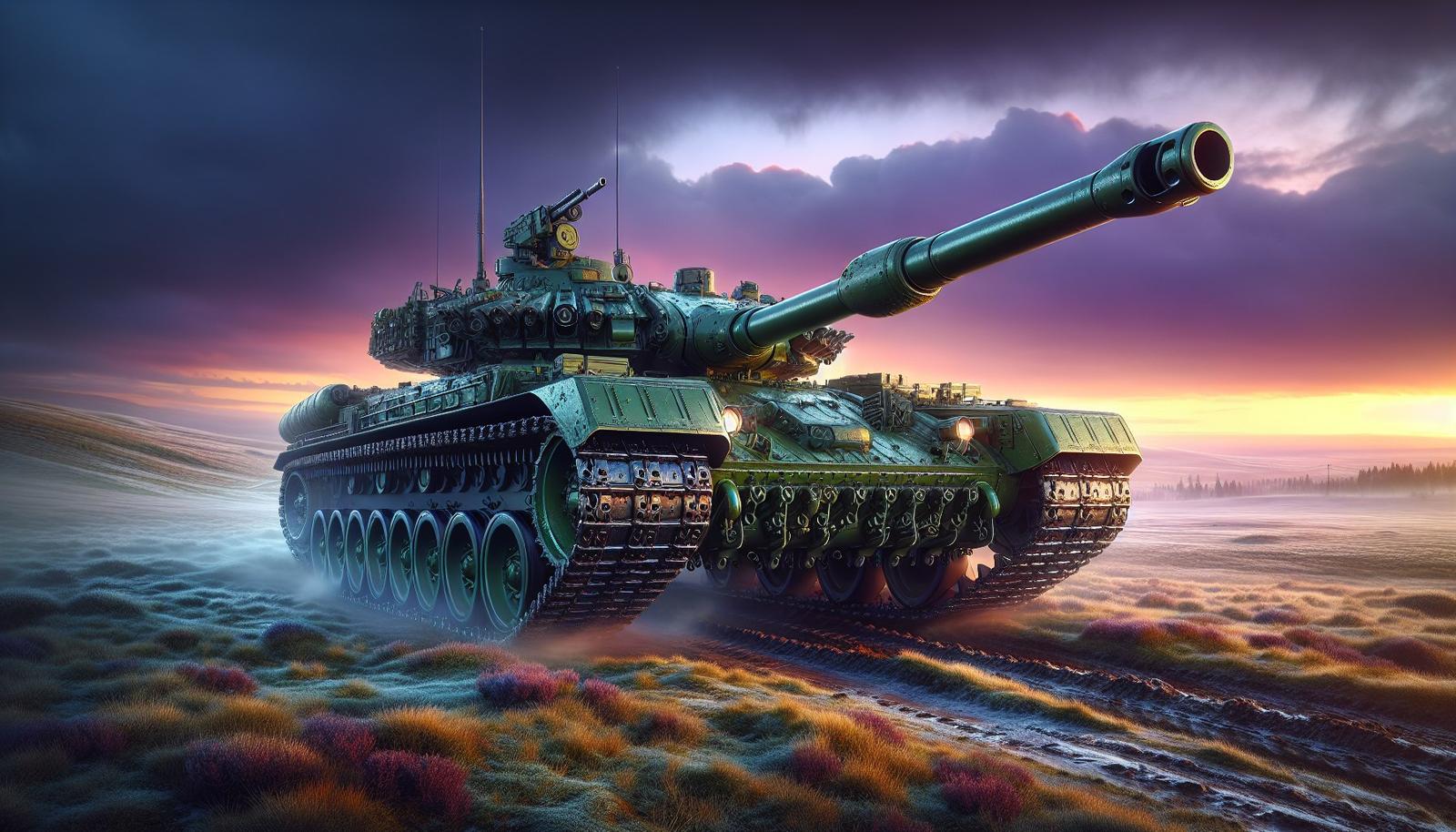
As The National Interest writes, "The Russian T-95: The Super Tank That Never Saw Battle" had impressive characteristics on paper. It received a powerful weapon with a remotely controlled turret, a new engine. In addition, the developers incorporated an automatic loading function. The tank was too advanced, so it could not be produced in large quantities.
The T-95 could fire over-the-horizon guided missiles. Instead of a 7.62-mm machine gun, it was equipped with a paired 30-mm cannon, which could inflict significant damage to enemy manpower and light armored vehicles in open terrain.
In the USSR, they wanted to instill fear in NATO adversaries on the battlefield with the help of a "super tank." This is the same intimidation factor that the huge German Tiger tank had during World War II. At the same time, other Soviet armored vehicles, including the T-72 and T-80, were already outdated at that time.
The T-95 could have become a formidable weapon on the battlefield, especially against NATO forces. Its absence turned out to be beneficial for the United States and its allies, who would have faced serious problems if Russia had started mass-producing the T-95.
Read more on the topic:
Coverage from all sides: Eurasian Times admired the protection of the "flying" T-80BVM tanks
Never miss our newsAdd this site to your preferred sources to see us more oftenAdd on Google

















