Scientists from Samara University named after Korolyov and the Image Processing Systems Institute (IPSI) of the Russian Academy of Sciences have announced the successful flight test in space of the first domestic hyperspectrometer for nanosatellite cubesats. It was launched into orbit in August 2022, and during this time, the hyperspectrometer has fully confirmed all expected characteristics.
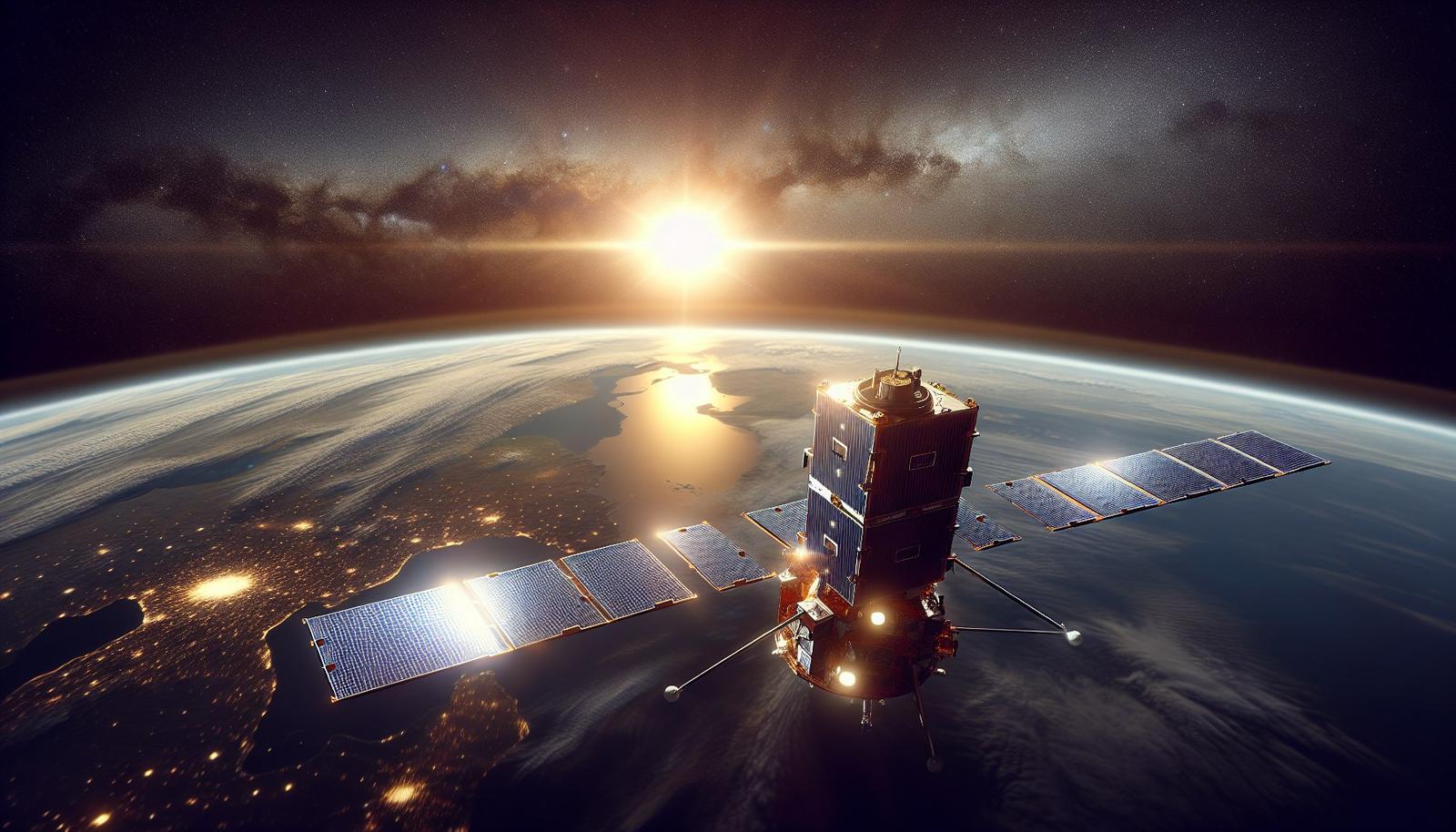
The hyperspectrometer is a compact research instrument that observes the Earth's surface in a multi-channel spectral display. The remote sensing it performs detects objects and their properties on the planet that are invisible to ordinary means of observation. For example, these devices in global practice help to more effectively conduct environmental monitoring, monitor the condition of forests and crops in fields, track the occurrence of forest fires and other natural disasters, and perform a number of other tasks.
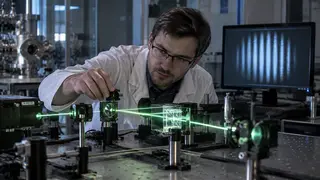
According to Samara University named after Korolyov, their hyperspectrometer, weighing only 1.6 kg, is developed based on the Offner scheme, and it shoots in the visible and near-infrared ranges. Its number of spectral channels is from 150 to 300, and the spectral resolution is from 2 to 4 nm. In the future, the design can be reduced without compromising its functionality.
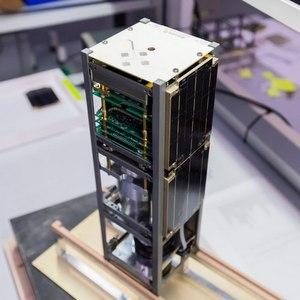
This device is unique for three reasons. Firstly, it is the first domestic hyperspectrometer of its kind. Secondly, it is the first Russian hyperspectrometer to be launched into space with a nanosatellite. Finally, it is also the first hyperspectrometer with an innovative optimized design from Russian specialists. When creating the device, the Samara team changed the traditional arrangement of the mounting elements of its optics for its foreign counterparts.
The new arrangement of elements made it possible to achieve greater image clarity with a simpler design and lower energy consumption. The Russian hyperspectrometer can operate with high efficiency in a wide temperature range without using a temperature stabilization system to maintain a certain temperature.
During testing in space, the hyperspectrometer demonstrated, in particular, its ability to obtain data for determining spectral vegetation indices used in agriculture for solving smart farming problems. It showed that it is able to detect moisture reserves in plants, calculate their productivity, and even the presence of stress due to drought, insect pests, or strong winds. Scientists also obtained high-quality hyperspectral images of various territories of Eurasia, Australia, Africa, and North America.
Read materials on the topic:
Russian scientists have developed a new method for deploying reflectors for space objects
A unique "scientific smartphone" for studying the Earth and space is being developed in Russia
Never miss our newsAdd this site to your preferred sources to see us more oftenAdd on Google