At the "Admiralty Shipyards" USC, they have started an unusual order. For the Ministry of Defense of Russia, the autonomous deep-sea vehicle "Sergey Bavilin" will be built there.
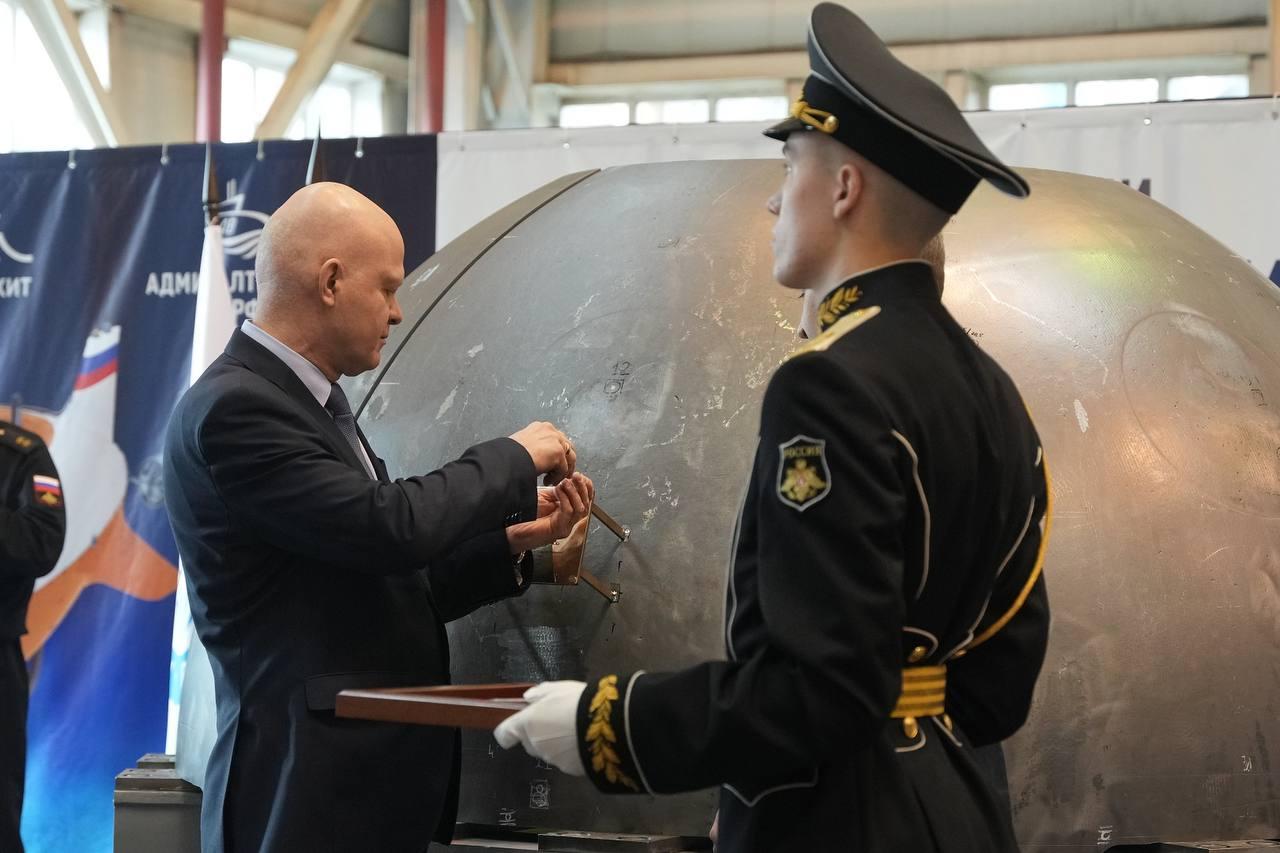
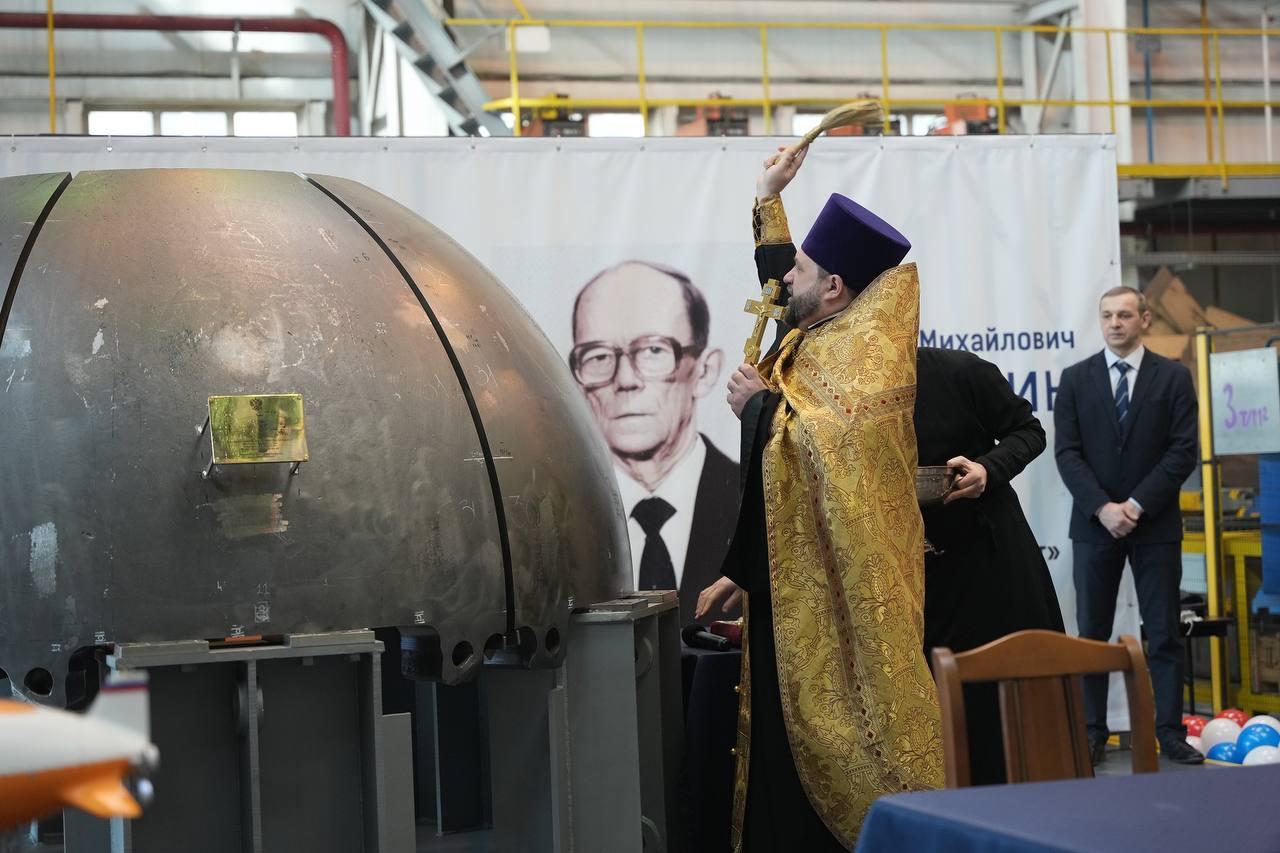
The deep-sea vehicle is named after the chief designer of deep-sea technical equipment of the St. Petersburg Marine Engineering Bureau "Malakhit", Sergey Mikhailovich Bavilin.
We all understand that the future of humanity and the entire planet depends directly on the study and development of the depths of the World Ocean, where all the main reserves of the Earth's resources are concentrated. "Admiralty Shipyards" undertakes to create the vehicle, conduct all the necessary types of tests, and deliver the deep-sea vehicle to the customer on time. There is no doubt that they will be performed with due quality and within the terms established by the state contract.
It is known that "Sergey Bavilin" is part of project 18200, which has a wide range of tasks at depths - including extreme ones. These are depths of the World Ocean exceeding 10 kilometers.
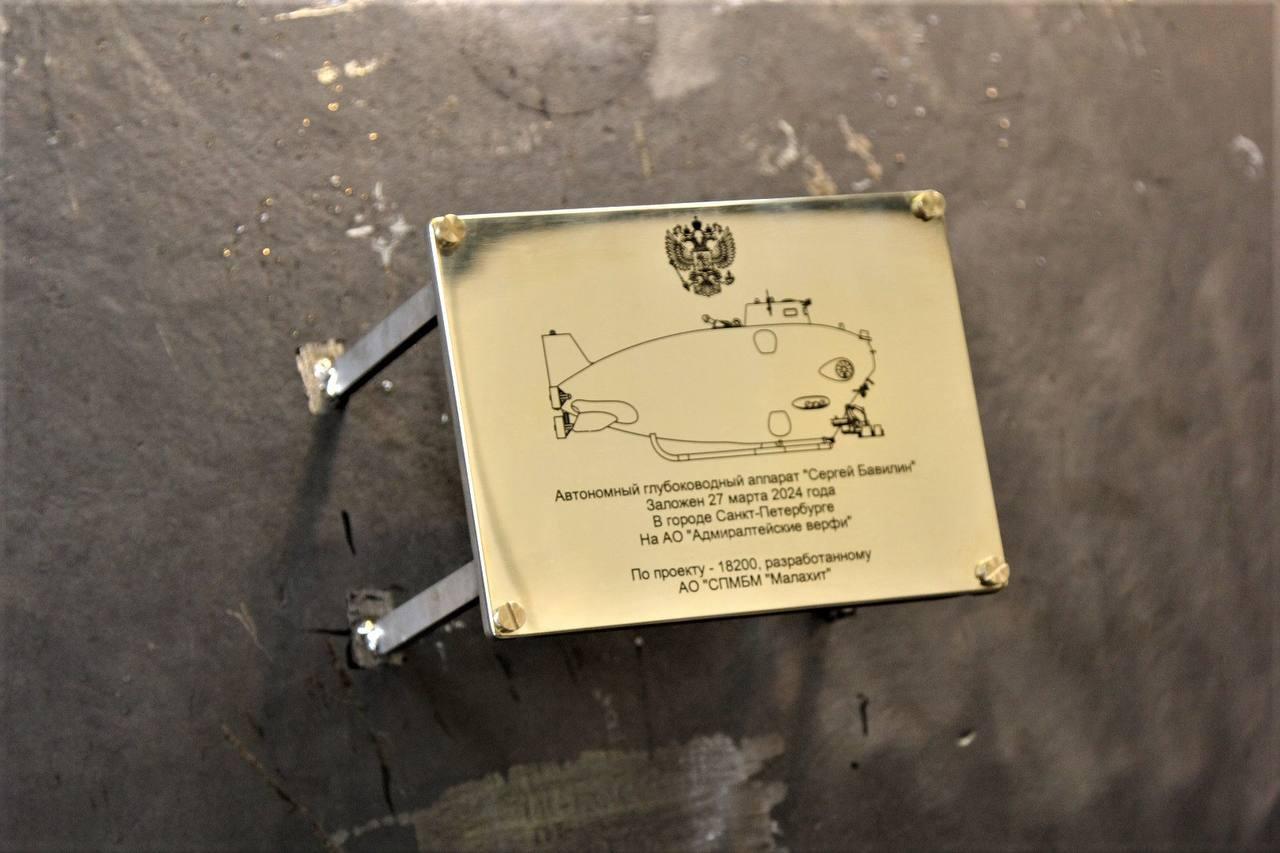
There is no information yet about other characteristics of the "Sergey Bavilin" vehicle, nor about the timeframe in which it is supposed to be delivered to the customer. However, it is already known what it will be used for.
The deep-sea vehicle is designed to perform scientific research, historical and archaeological, emergency rescue operations, and environmental monitoring of the World Ocean. The functionality of the vehicle includes the study of benthos and ichthyofauna, and the filming of production and popular science films.
Earlier it became known that engineers from St. Petersburg's "Malakhit"developed an artificial intelligence system called "Shrimp" for underwater robots. "Shrimp" will become the "eyes" of uninhabited deep-sea vehicles and will help them identify objects at kilometer depths where there is no sunlight, studying the World Ocean. It can be assumed that "Shrimp" will also work with the new deep-sea vehicle.
Read materials on the topic:
Project "Arktur" - Russia is developing a new fifth generation of "faceted" nuclear submarines
Never miss our newsAdd this site to your preferred sources to see us more oftenAdd on Google

















