Specialists of the Propulsion Systems Center (part of the Zvezdochka Ship Repair Center) began to make blanks for parts for ship rudder propellers (VRC, a type of propulsion unit in the form of a propeller that is located on a 360° rotating column) using the additive method.
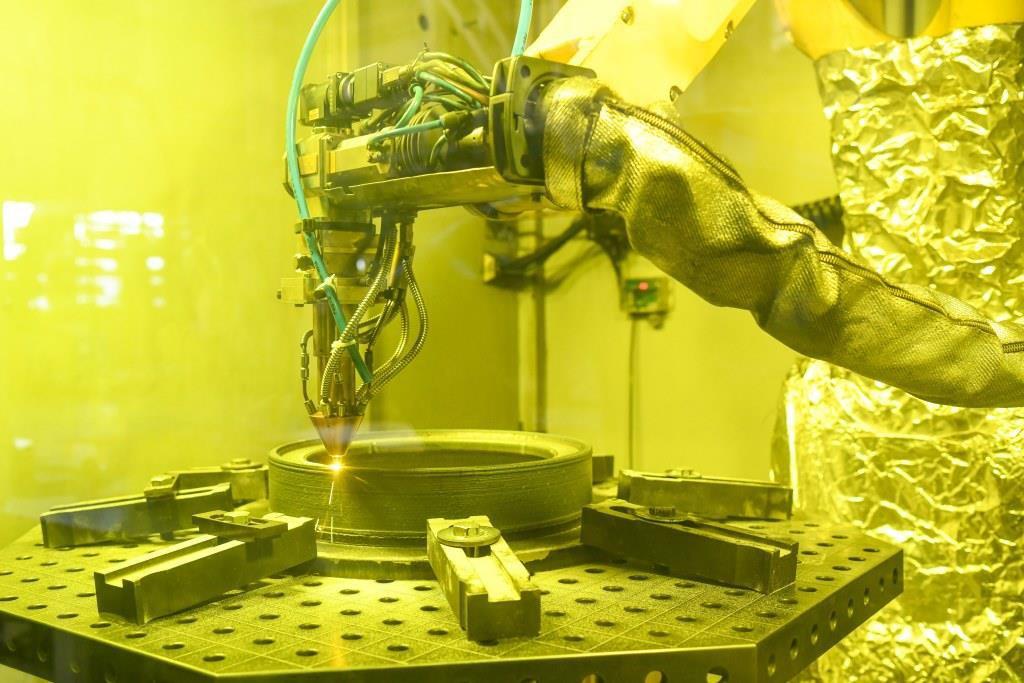
The part is created by layer-by-layer application of metal powder, which is melted using a laser beam. Specialists can manufacture parts with a diameter of up to 1100 mm and a height of up to 500 mm.
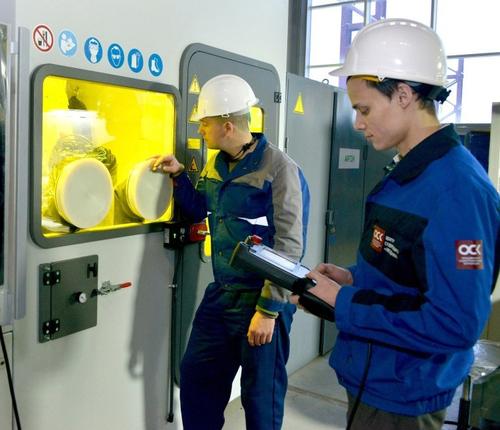
The technology has been mastered at Zvezdochka since 2021. In March of this year, specialists printed blanks for general engineering parts for two orders from partner enterprises.
Advantages of additive technologies:
- Printing large parts and blanks of complex geometry
- Application of a wide range of powder metal materials
- Reducing the time for final machining of the product
- Reducing the labor intensity of production
- Repair and restoration of parts for ships by laser powder surfacing
Earlier, specialists from the Rostec Additive Technologies Center put into operation a printer for printing parts for MS-21 and SJ-100 aircraft.
Never miss our newsAdd this site to your preferred sources to see us more oftenAdd on Google

















