Translated with AI from the Russian original.
A subsidiary of the United Engine Corporation of Rostec is testing the first Russian domestic industrial gas turbine engine AL-41ST-25 with a capacity of 25 MW.
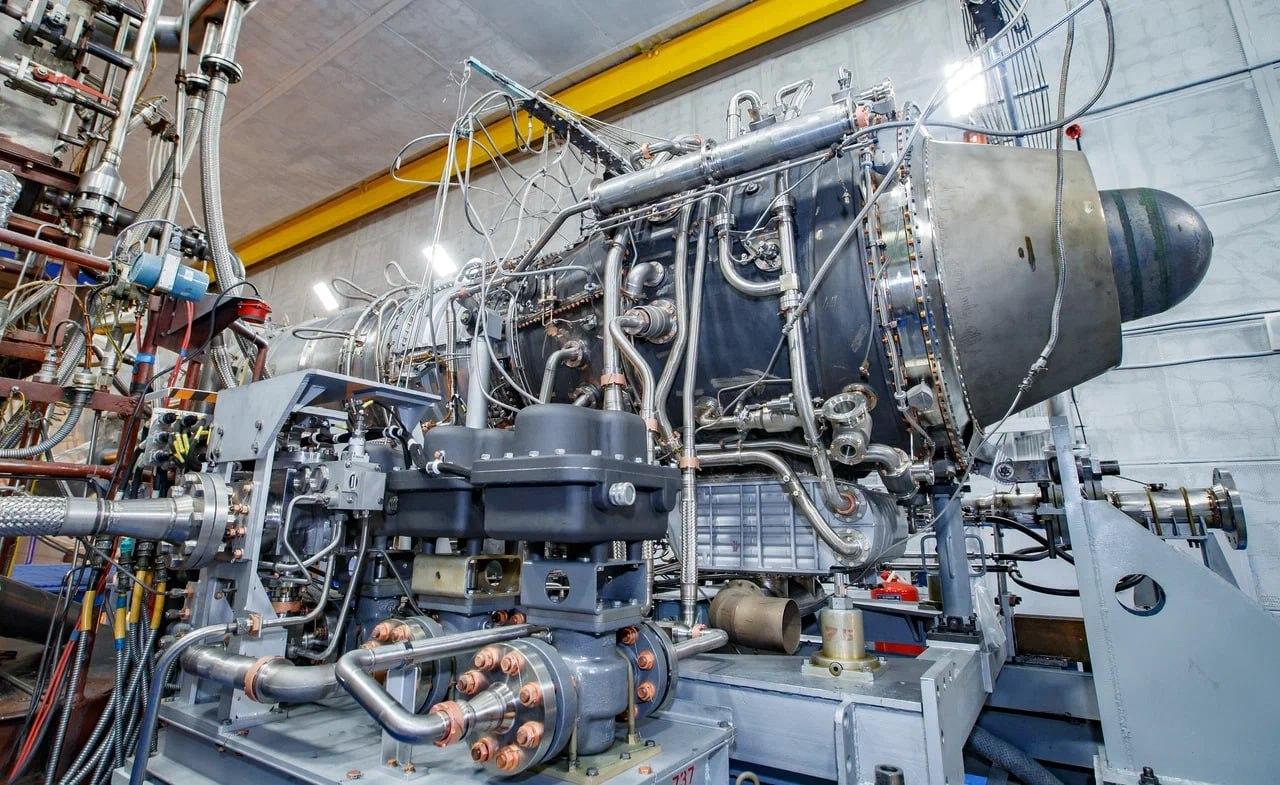
Image source: GC "Rostec"
AL-41ST-25 is installed on a gas pumping unit at the Arskaya compressor station of Gazprom Transgaz Kazan LLC. It is lighter than foreign counterparts, less bulky and faster to install for operation.
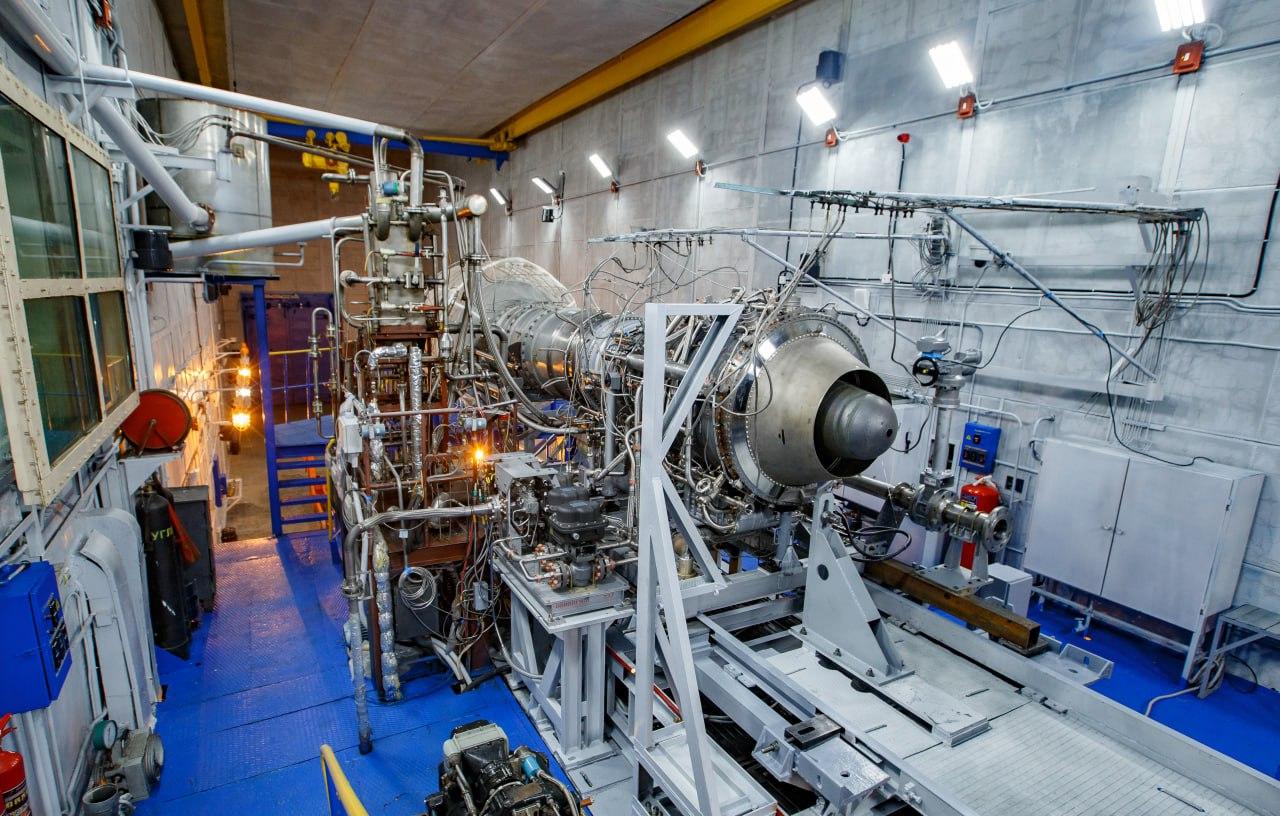
Image source: GC "Rostec"
UEC is actively developing the direction of industrial engines. The AL-41ST-25 project has a priority status among the corporation's programs, and it is also included in the register of innovative products of Gazprom. The first experienced industrial engine of the fifth generation in Russia is a high-tech product that is not inferior in a number of key characteristics to the best world models in this power class. In the future, based on the gas generator of the new power plant, it is planned to create a whole family of highly efficient gas turbine drives for gas pumping units with a capacity of up to 42 MW.
.The engine meets Russian and international environmental standards and will operate for at least 120 thousand hours. Its predicted resource will grow to 150 thousand hours.
Never miss our newsAdd this site to your preferred sources to see us more oftenAdd on Google

















