Uranium One Group (part of Rosatom) and the Bolivian state company Yacimientos de Litio Bolivianos (YLB) have signed an agreement to build a lithium carbonate production facility (the main precursor for the production of lithium electrode materials - editor's note www1.ru) at the Uyuni salt flat.
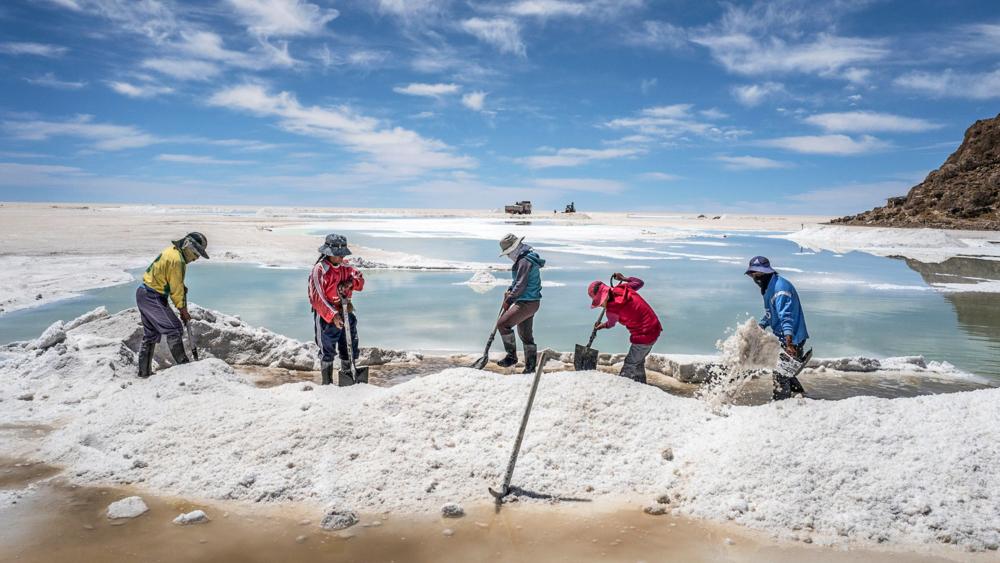
As clarified in Rosatom's press service, the facility, which is based on Russian technology for direct sorption lithium extraction, will start operating within two years. The equipment is expected to produce up to 14,000 tons of lithium carbonate annually.
The Bolivian Uyuni salt flat, whose area reaches 10.5 thousand square meters, is considered the largest in the world. It is located at an altitude of 3.6 thousand meters above sea level. This region has a developed industry and infrastructure.
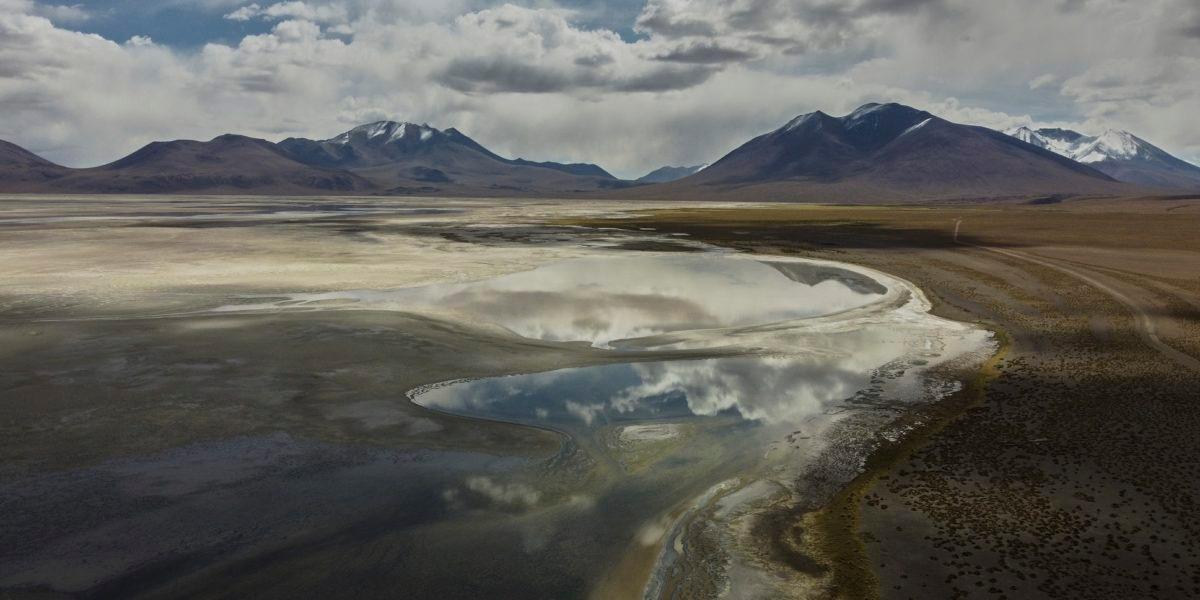
In June 2023, Uranium One Group signed an agreement with YLB to build a complex for the extraction of lithium carbonate at the Pastos Grandes salt flat (Andes, altitude 4.6 thousand m.). According to plans, the production volume will be 25 thousand tons of lithium carbonate per year.
It is specified that this is Rosatom's first foreign project of this scale in the field of lithium production. Investments in the project are estimated at 600 million dollars.
Up to 90% of lithium is extracted from salt flats. Rosatom implements a complete technological chain - from obtaining raw materials to producing batteries. The corporation emphasizes that Russia will not have enough Bolivian raw materials.
That is why the Kolmozerskoye deposit in the Murmansk region is being developed. Rosatom hopes to achieve the country's lithium sovereignty over time.
Lithium carbonate has a wide range of applications. It is used in pyrotechnics, in the production of glass and plastics, electrical insulating porcelain, as well as in ferrous metallurgy.
Earlier, Rosatom proposed creating a gigafactory in Belarus for the production of lithium-ion batteries.
Never miss our newsAdd this site to your preferred sources to see us more oftenAdd on Google

















