Translated with AI from the Russian original.
A polymer has been developed at St. Petersburg State University that can prevent ignition and explosion of batteries in smartphones, laptops, and electric vehicles. According to scientists, about 10 smartphones explode or catch fire every month in Russia alone.
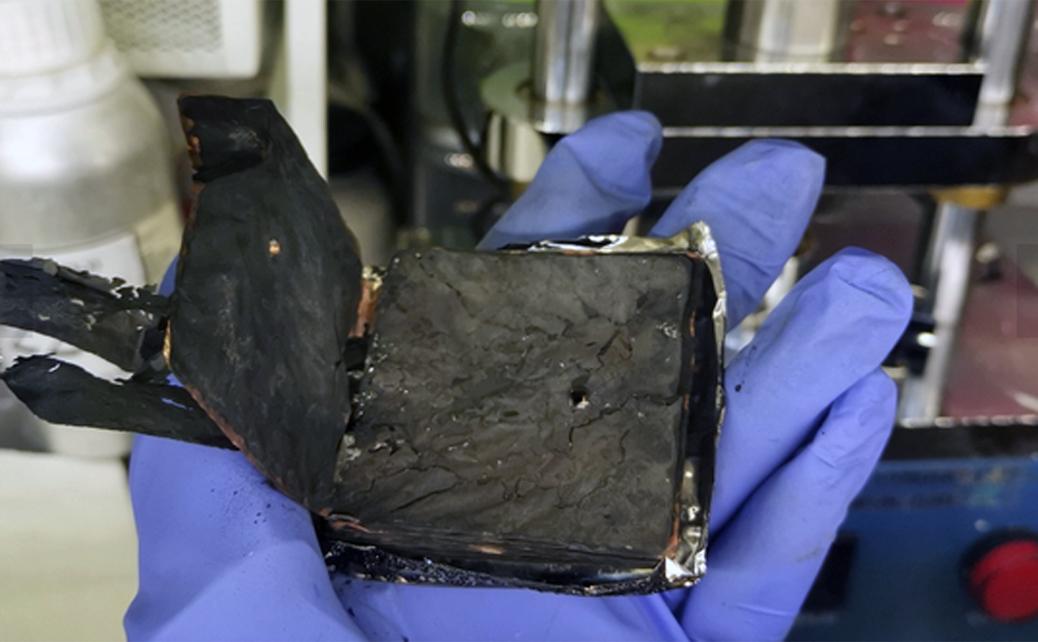
Why does the battery explode?
Inside a lithium-ion battery, there are two current-conducting elements: the cathode and anode electrodes. The cathode consists of a layer of mixed lithium oxide and transition metals deposited on aluminum foil, and the anode consists of a layer of carbon on copper foil. Between them is a separator - a porous separator impregnated with a mixture of organic solvents and salts.
Due to severe cold, heat, a sharp voltage surge in the network when charging the device, or other impact on the device, this separator is damaged. Then the materials inside the battery begin to react with each other and decompose.
This chemical reaction releases heat, and the battery heats up to almost 600 °C in seconds. So far, no battery manufacturer guarantees absolute protection against short circuits and explosions.
What did the scientists come up with?
They have developed a polymer that can prevent the battery from igniting when it is short-circuited. This compound is made up of organic chains containing nickel atoms.
The polymer is located between the layers of foil and the cathode material in a lithium-ion battery. It conducts electric current, but when oxidized or reduced, it stops doing so - and since there is no reaction, the battery does not overheat and does not spontaneously ignite.
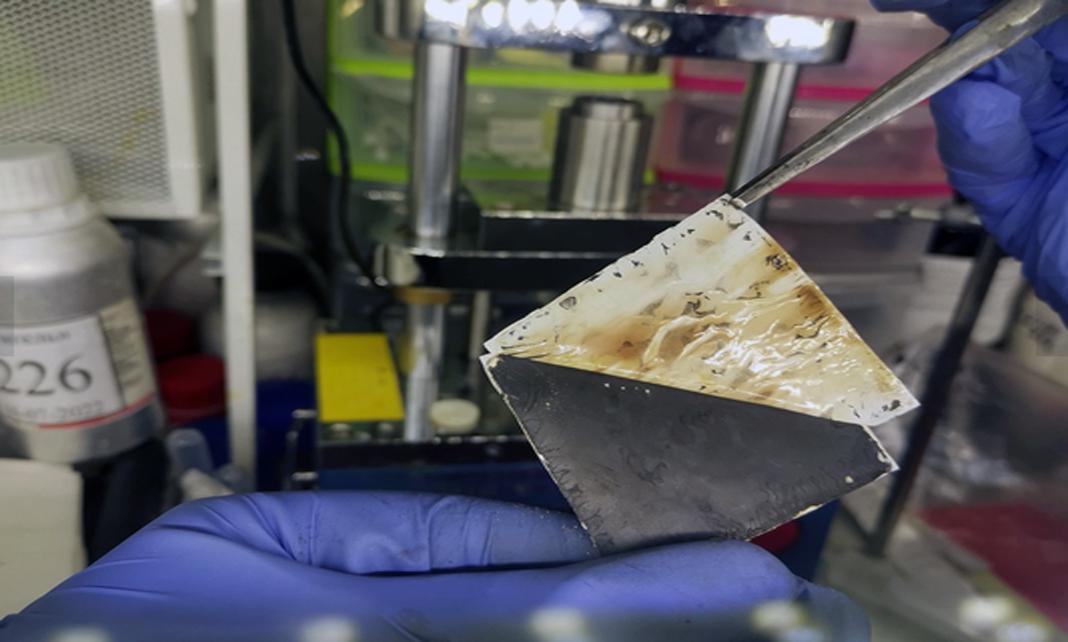
Stress tests of the polymer on coin-cell batteries for smart watches were successful. When the voltage jumped from the range of 2.8 volts to 5 volts, the polymer worked with 100% efficiency. It practically did not affect the capacity and performance of the battery, reducing them by no more than 10%.
Now the developers are preparing for stress tests on larger batteries and are looking for investors to scale up and launch mass production of new safe batteries.
Never miss our newsAdd this site to your preferred sources to see us more oftenAdd on Google

















