Translated with AI from the Russian original.
The Russian holding company KMZ (Kingisepp Machine-Building Plant) plans to introduce the first torque wrench built according to a domestic project in 2024, according to KMZ Managing Director Mikhail Danilenko.
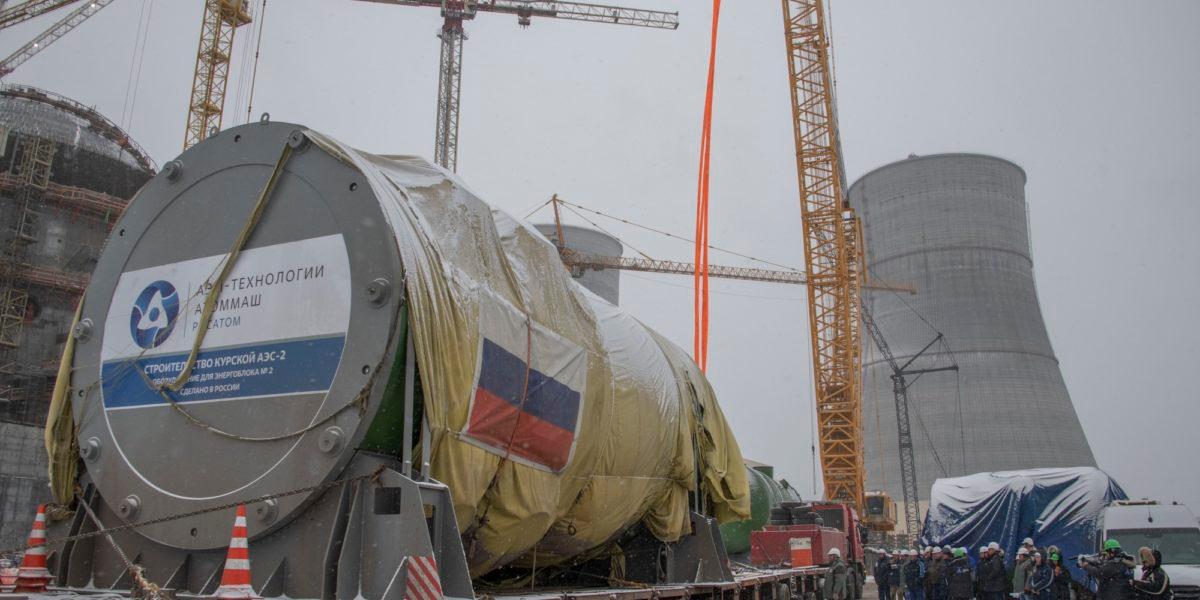
The torque wrench is a critical mechanism for sealing nuclear reactor vessels; without it, it is impossible to remove the lid of a VVER-type reactor (manufactured by Rosatom specialists -editor's note www1.ru).
According to Danilenko, the holding is currently modernizing a German torque wrench. The KMZ top manager emphasized that this involves complete re-engineering, replacement of software, and a transition to components of Russian production.
The first sample will be ready in six months
It is expected that a completely domestic torque wrench will be made by the end of 2024 and supplied to "Atomstroyexport" (part of Rosatom). Danilenko explained that such equipment used to be purchased from the German manufacturer Siempelcamp. However, due to Western sanctions, Russia had to engage in import substitution of torque wrenches.
Currently, KMZ is the only supplier of reactor vessel seals. Therefore, the holding faces the task of creating torque wrenches for all nuclear power plants being built worldwide with Rosatom's participation, he concluded.
Earlier, the Hungarian authorities announced thestart of work to strengthen the soil in the pits where the 5th and 6th power units of the Paks-2 NPP will be located. The project is being implemented using Rosatom technologies.
Never miss our newsAdd this site to your preferred sources to see us more oftenAdd on Google

















