Engineers at Bauman MSTU have developed a group of small spacecraft (SCA) to monitor heliogeophysical parameters of space. Tests of the spacecraft in the interests of Roshydromet have been successfully completed, the Roscosmos State Corporation reported.
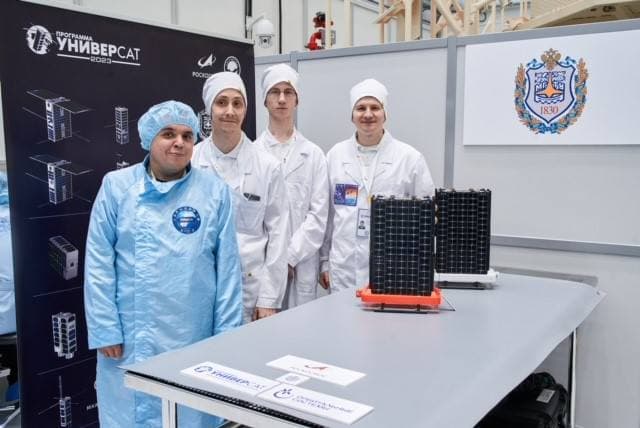
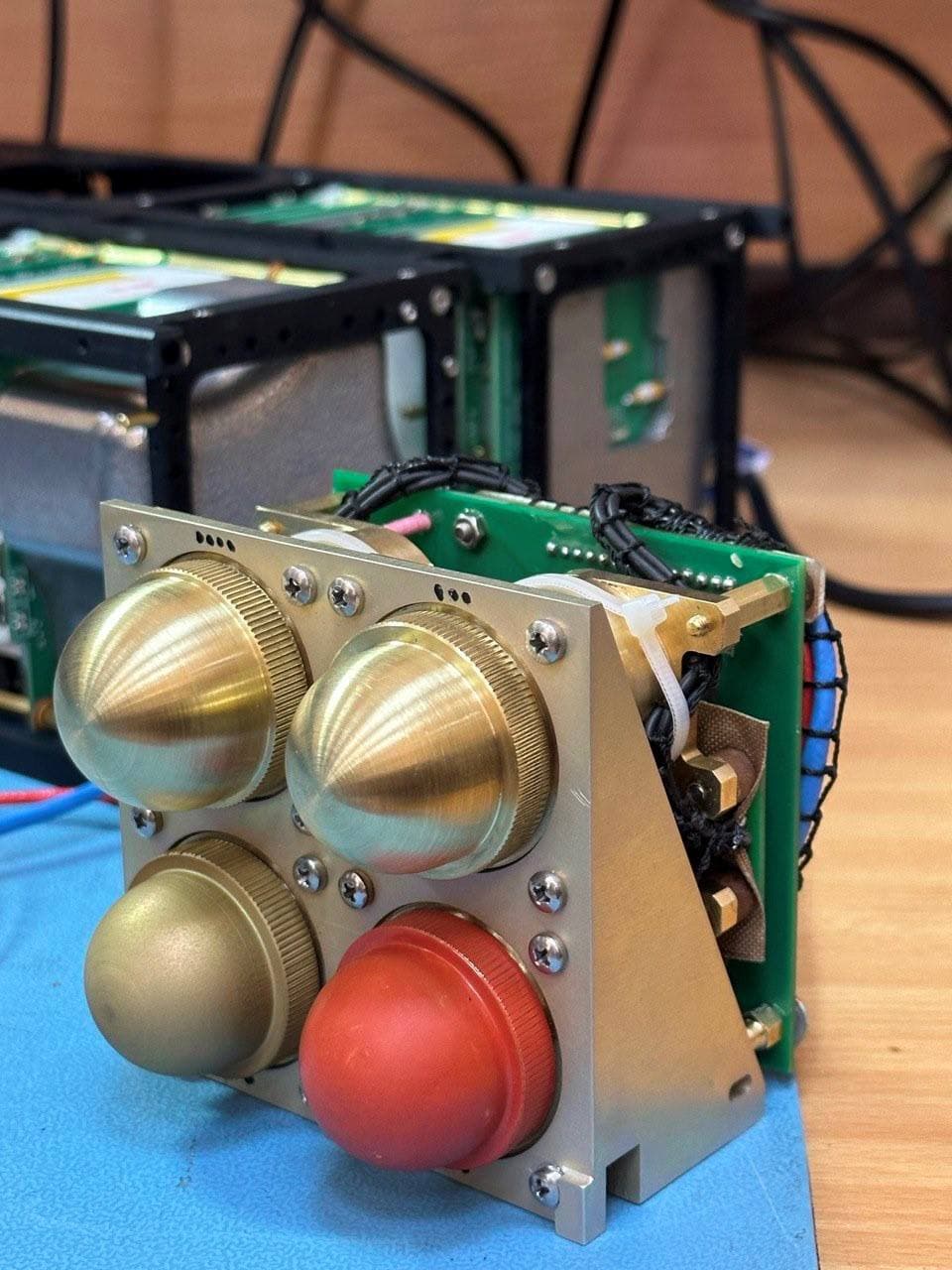
It is noted that the spacecraft are equipped with detectors of galactic cosmic rays (such rays originate from supernova remnants, formed as a result of a powerful explosion in the final stages of the evolution of massive stars -editor's note www1.ru) "GAMVEKI" - analogues of the "GALS" equipment, which is part of the "Meteor-M" spacecraft.
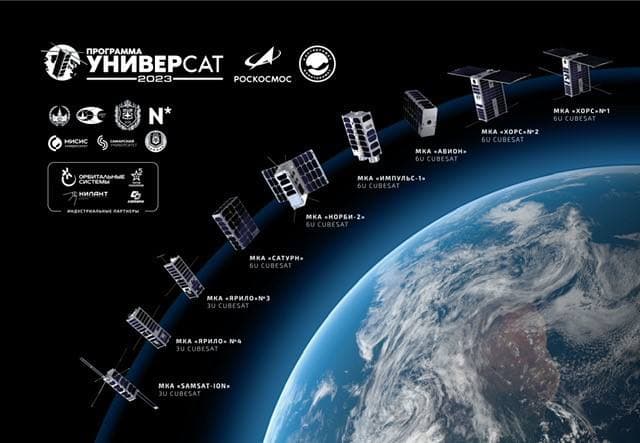
Bauman spacecraft were launched into orbit in June 2023 from the Vostochny Cosmodrome. The work was carried out within the framework of the "UniverSat" program.
Roscosmos also announced the creation of a new ground station "Orion-Ts" for communication with the International Space Station (ISS). This refers to the exchange of information between cosmonauts of the domestic segment of the ISS and specialists of the Mission Control Center (MCC), which is located in the Moscow region city of Korolev.
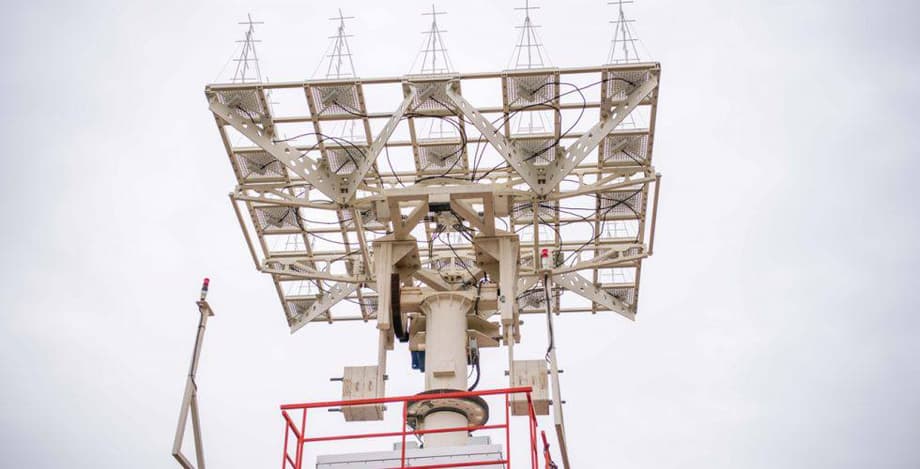
The new equipment was placed at the base of the Reshetnev company in the Krasnoyarsk Territory, which is part of the corporation. Employees of the Zheleznogorsk command post will be engaged in controlling spacecraft that collect information for scientific and socio-economic purposes.
Earlier, www1.ru reported that Russian cosmonauts on the ISS launched astudent nanosatellite developed at Bauman MSTU.
Now on home

Start of deliveries scheduled for 2027

Over 51,000 new motorcycles were sold in Russia in 2025

The car will take at least a year to assemble

The application's audience has reached 20 million users

The model will be included in the list of cars for taxis, price - from 2.25 million rubles

All parking lots of the "Administrator of the Moscow Parking Space" are connected to the service

The cars will be supplied to the Moscow Transport Service Directorate
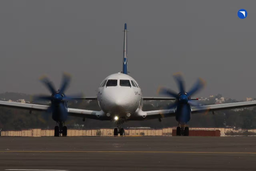
Deliveries to India may begin in 2028
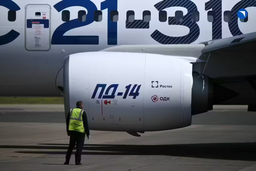
The technology provides automated search for all types of defects in power units
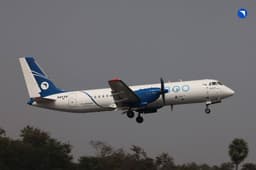
The plane flew 500 km, accelerating to 425 km/h

The plant stated that the information about the termination of purchases for models 6 and 8 is not true
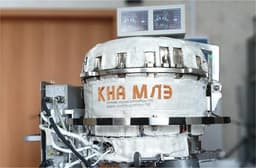
Scientists are using the "Ekran-M" installation
Articles
-
Russian An-124 "Ruslan" Stuck in Canada for 4 Years and Accrues Millions in Fines
26 Jan 2026
-
Coaxial Propellers: How Counter-Rotation Increases Turboprop Engine Efficiency
25 Jan 2026
-
Kazan Aviation Plant Breaks Old System: Tu-214 to be Assembled Like Cars
25 Jan 2026
-
How Engineers and Technicians Are Paid Today in the Russian Aviation Industry: An Overview with Figures
24 Jan 2026