Translated with AI from the Russian original.
Researchers at the Southern Federal University (SFedU) have developed an economical material that can be used in the production of clean fuels and energy storage.
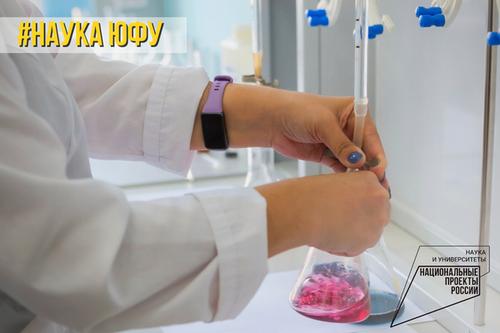
As explained in the Research Laboratory of Functional Nanomaterials Technology of SFedU, this material can be used as a catalyst for fuel cells. According to Tatyana Myasoedova, an employee of the laboratory, the main innovation of the complex material is the presence of copper-molybdenum sulfide (CuMoS) in it, which, under the influence of current, splits water into hydrogen and oxygen.
The press service of the university emphasized that now noble metals - platinum and its derivatives - are considered effective catalysts for oxygen reduction and hydrogen evolution. However, the cost of this process is high. Moreover, palladium [transition noble metal of the platinum group of silvery-white color - note from www1.ru] catalysts do not provide protection against oxidizing fuel substances. Against this background, the SFedU study is very promising. According to Myasoedova, their material can be used as a catalyst for rechargeable batteries.
Never miss our newsAdd this site to your preferred sources to see us more oftenAdd on Google

















