Translated with AI from the Russian original.
Four electric vessels for Moscow have been launched in St. Petersburg; they have already been delivered to the capital, where they will run on the regular river route "Fili Park – Kievsky." The Russian "River Teslas" are being built at the Emperium shipyard, which is part of Sitronics Group (AFK Sistema).
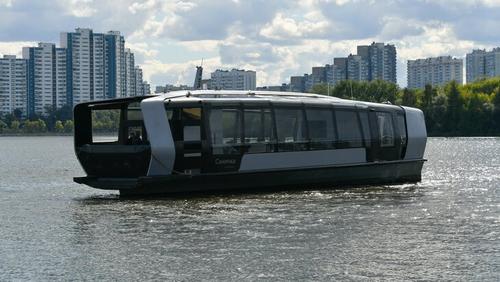
The agreement provides for the creation of 21 vessels, 23 berths, six charging stations, and two fleet lay-up points. Each such electric river tram can accommodate up to 50 people. There are also spaces on board for bicycles, scooters, baby carriages, and wheelchairs, as well as Wi-Fi and USB ports for charging smartphones.
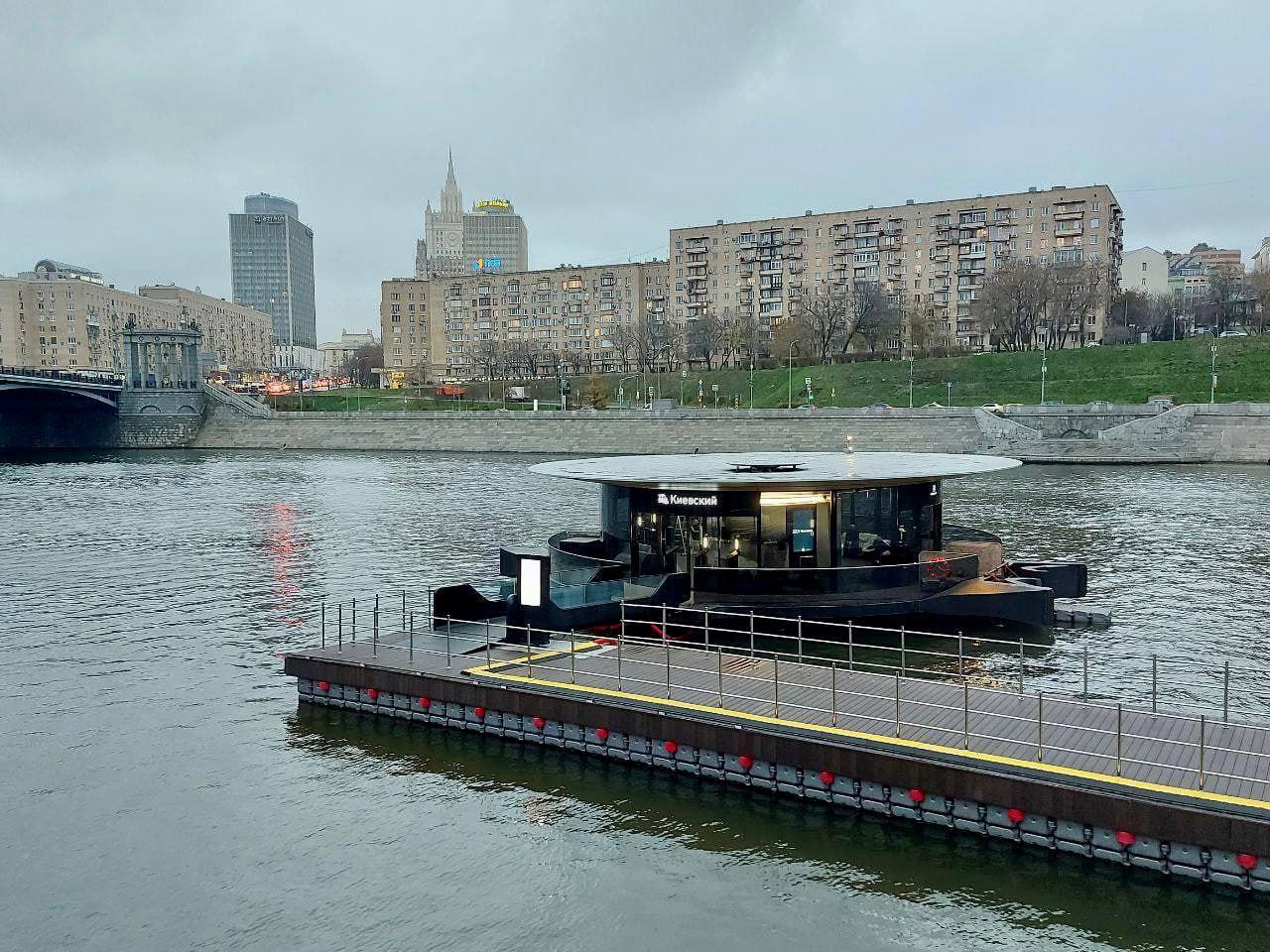
Most of the equipment, finishing materials, and software for the river trams are produced in Russia. Also domestic are: the climate control system, vessel glazing, cladding panels, and vessel lighting control system. A synchronous traction motor with water cooling and an automatic charging system with current up to 1000 A were developed at SPC Morsvyazautomatica.
As for the floating berths for river electric transport, they will be manufactured at the Perm Shipyard. The equipment of the stop complexes will include special equipment for fast charging of moored electric vessels during passenger boarding and disembarking.
Never miss our newsAdd this site to your preferred sources to see us more oftenAdd on Google

















