The S-400 "Triumf" was developed as an evolution of the S-300 family, but it received new radars, missiles, and significantly expanded capabilities for simultaneous engagement of aerial targets. The complex is capable of combating aircraft, cruise missiles, and some ballistic targets.
"Pervy Tekhnichesky" answers three main questions about the Russian air defense system.
How many missiles can the S-400 shoot down?
A common characteristic of the S-400 is up to 36 simultaneously engaged targets with guidance for up to 72 anti-aircraft missiles. This means that the complex can fire at several dozen objects at once, and depending on the situation, two missiles can be guided to one target.
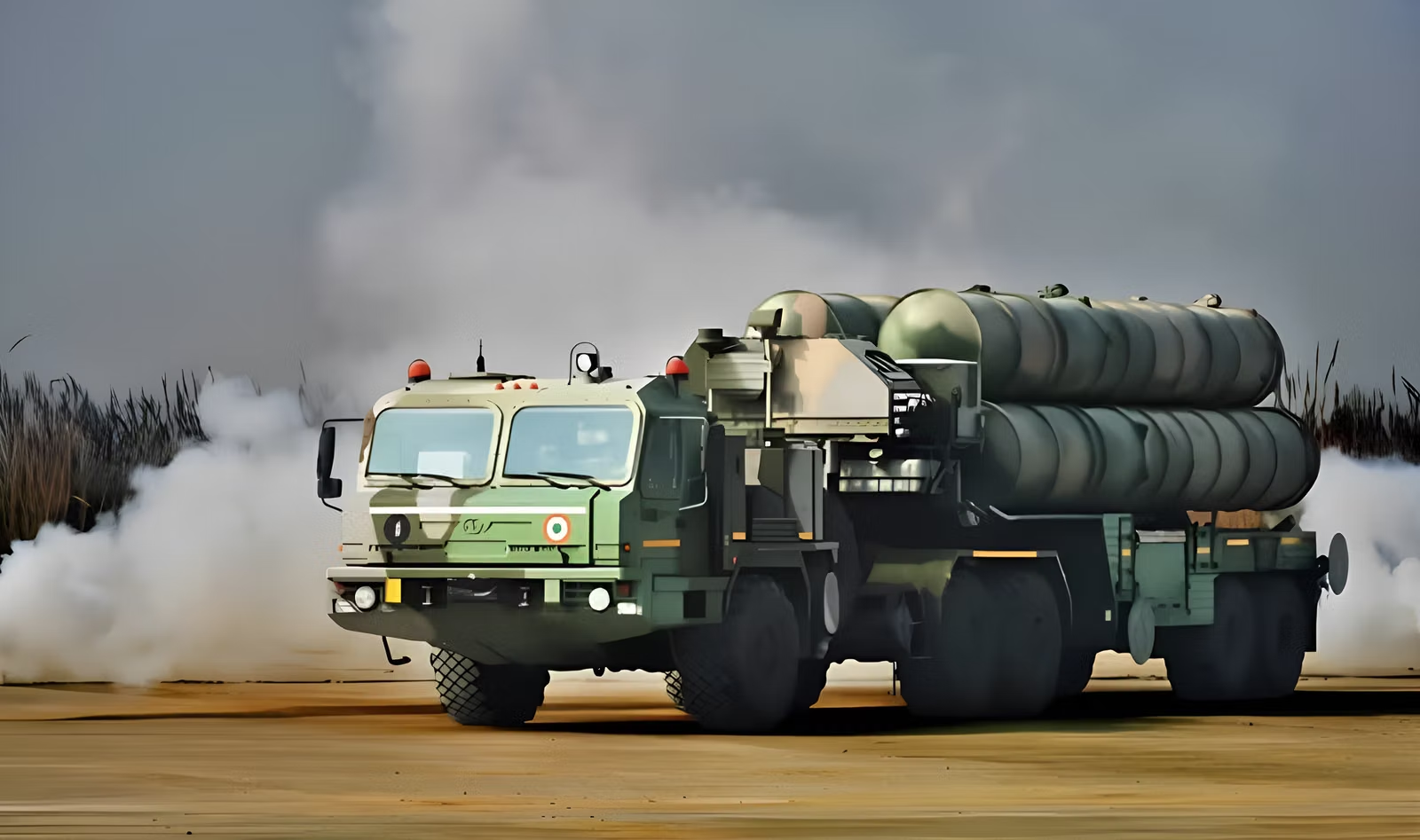
However, this figure should not be taken as a guaranteed number of downed missiles. The actual result depends on the type of target, range, altitude, interference, and the composition of the specific grouping.
What is the difference between S-300 and S-400?
The S-400 is not just an "S-300 with a more powerful missile," but a next-generation system. The main changes are new radar systems, a computing system, and a family of missiles, including the 40N6 with a declared range of up to 400 km for aerodynamic targets.
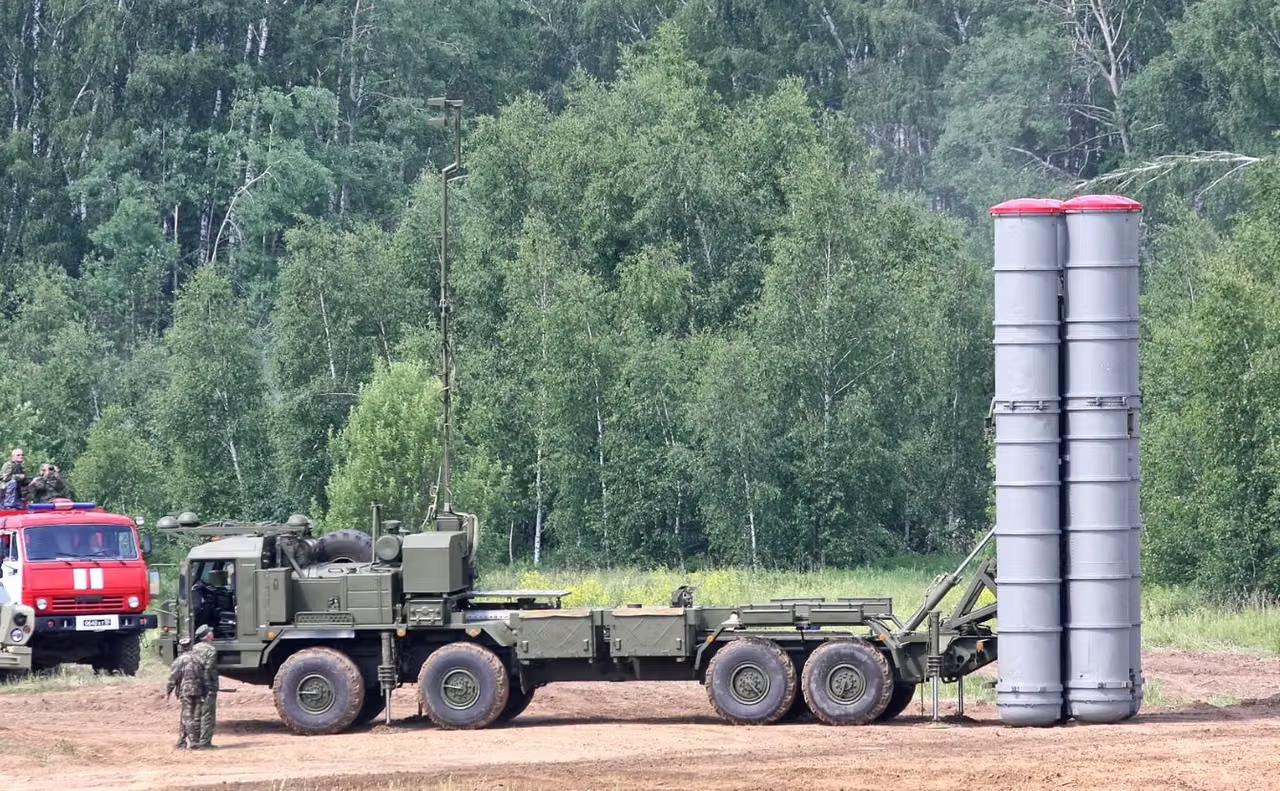
In addition, the S-400 gained the ability to use missiles with active homing heads, which expands the complex's capabilities for engaging targets and reduces dependence on continuous target tracking by ground-based radar.
What is included in the S-400?
The basic system includes the 55K6E combat control post and the 91N6E radar complex, which is responsible for target detection. Each anti-aircraft missile system includes a 92N6E multi-functional radar and launchers.
Depending on the configuration, the system uses several types of missiles: 48N6E2, 48N6E3, 40N6E, and 9M96E2. Additional detection means, including the 96L6E all-altitude detector, may also be included.
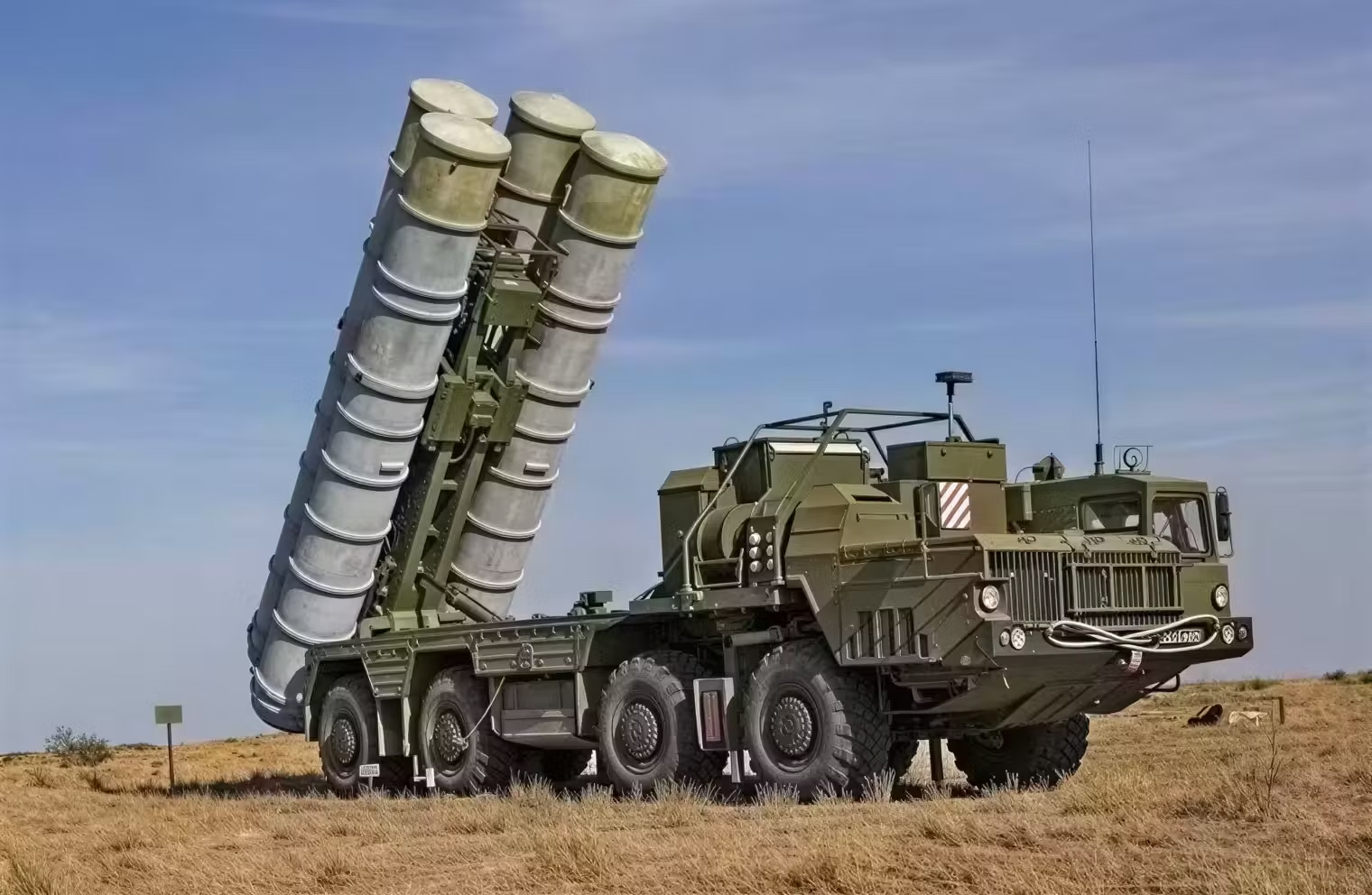
The main strength of the S-400 is not one record range, but a combination of several types of missiles, powerful radars, and the ability to simultaneously engage a large number of targets. This is why "Triumf" became an evolution of the S-300 not in one parameter, but in the entire system architecture.
Read more on the topic:
Never miss our newsAdd this site to your preferred sources to see us more oftenAdd on Google