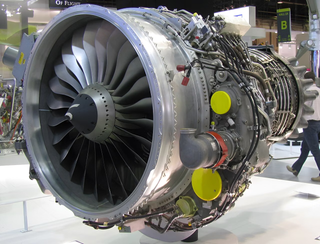
At first glance, it seems that replacing D-436TP engines with Russian PD-8s is not that difficult. However, in the case of the Be-200 amphibious aircraft, engineers will have to solve problems that practically do not exist in conventional civil aviation.
Let's clearly understand why the re-engining of the Be-200 has become a separate engineering project.
Seawater is the main enemy of the engine
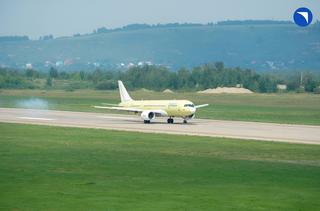
While the SJ-100 spends most of its life at airfields, the Be-200 regularly operates over the sea and lakes, and also lands directly on water.
During takeoff roll and planing, salty spray and water mist inevitably enter the air intakes.
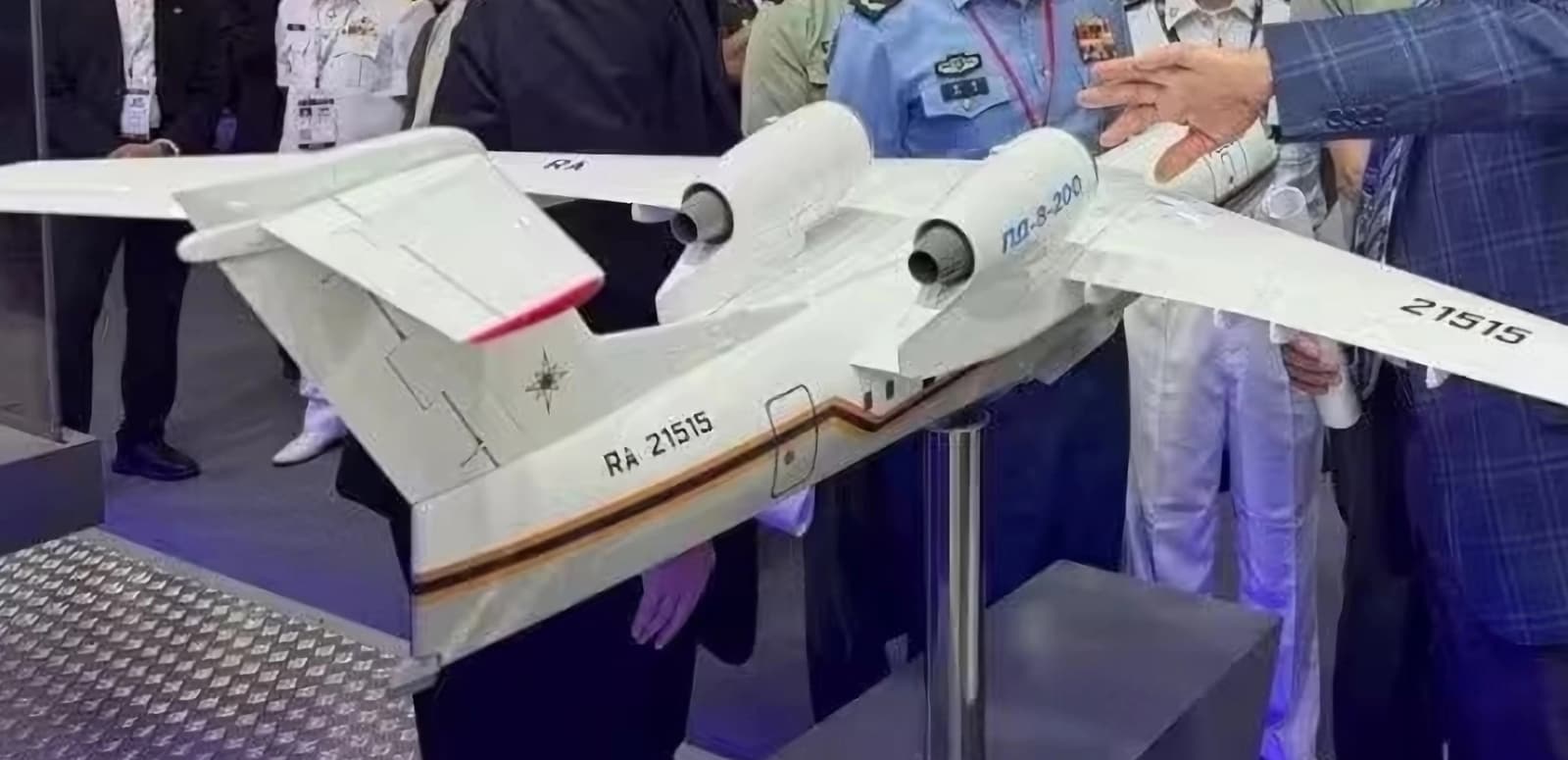
Therefore, the PD-8 requires "marinization" — the application of new anti-corrosion coatings, durable materials, and additional protection for compressor and turbine parts, as noted by Avia.ru editor-in-chief Roman Gusarov. Whether a new certification of the power plant will be required is an open question.
In addition, the engine must maintain stable operation when water enters the air intake. For this, the control system and aerodynamics should be refined to prevent surge or engine shutdown.
The aircraft has to be practically redesigned
The PD-8 differs from the D-436TP in mass, dimensions, and thrust characteristics. Therefore, replacing one engine with another on a "remove and install" basis is impossible.
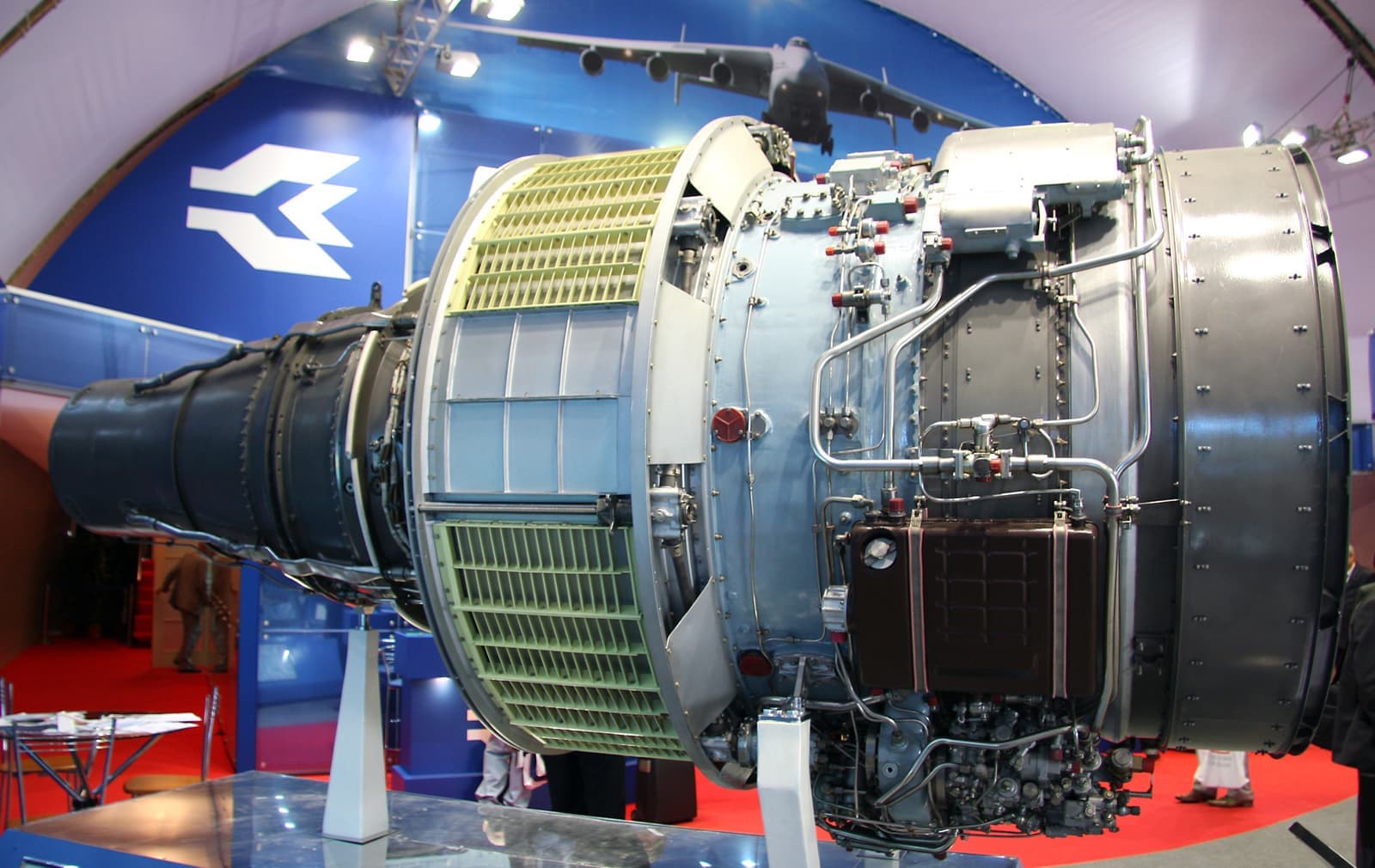
Designers have to recalculate the aircraft's center of gravity, design new pylons and nacelles, and check the aircraft's behavior in all flight modes.
Another challenge is noise. According to ICAO standards, the Be-200 must meet strict limits. Because the engines on the amphibian are located directly above the wing, their sound wave reflects off the airframe differently than on a conventional aircraft, which requires the creation of unique sound-absorbing structures in the nacelles.
There is another problem - production
The TANTK Beriev plant in Taganrog produces only 1-2 Be-200 aircraft per year.
Piece production significantly increases the cost of PD-8 integration, as the cost of research and development will have to be included in a very small series of aircraft.
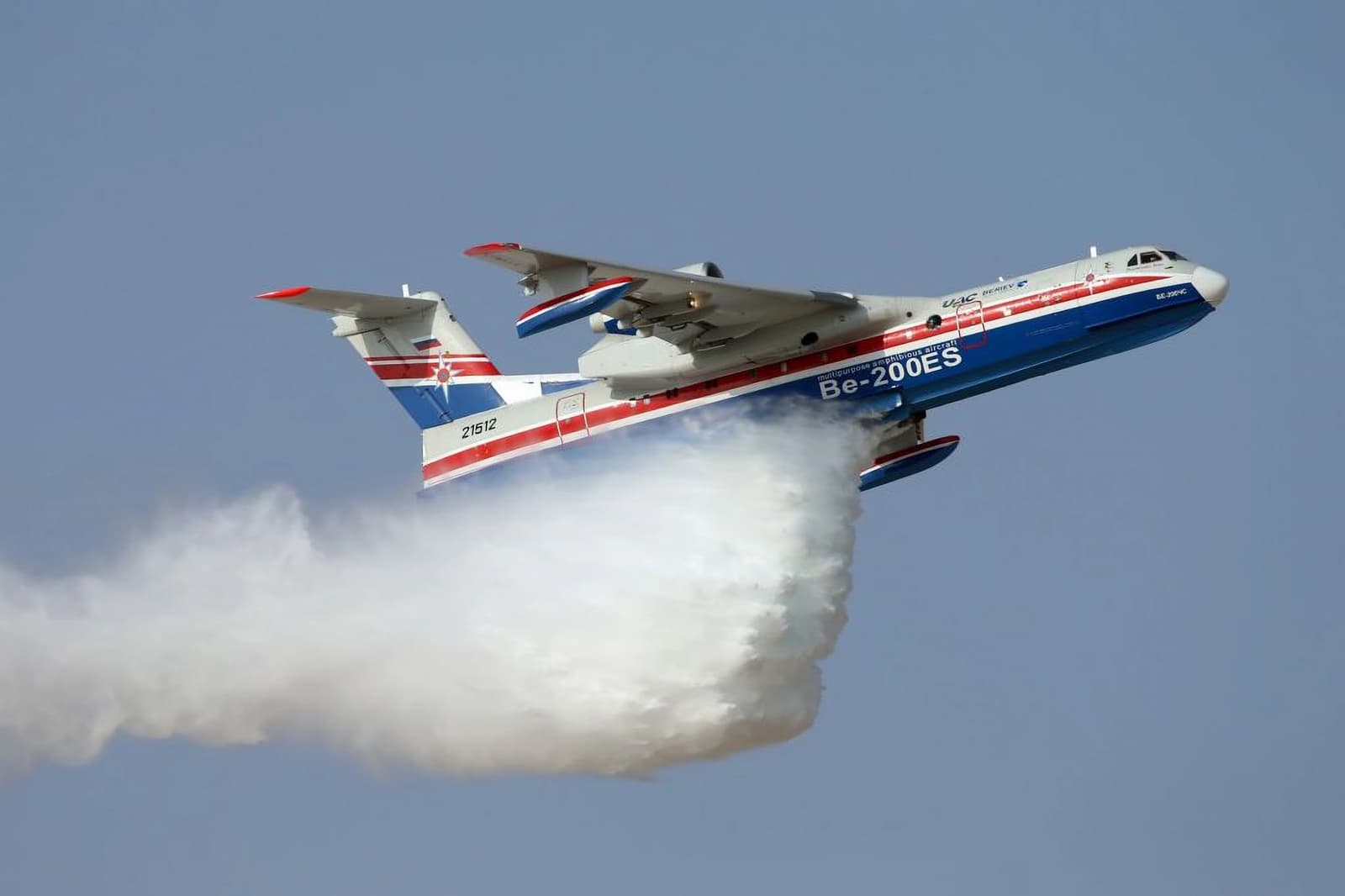
Last autumn, Rostov Oblast Governor Yuri Slyusar stated that the development of the Be-200 with PD-8 would begin in 2026. But for six months now, not a single frame of flight tests has leaked online.
Never miss our newsAdd this site to your preferred sources to see us more oftenAdd on Google