Translated with AI from the Russian original.
Tu-22M3 bombers are designed to perform combat missions in the operational zones of land and sea theaters of operations in order to destroy mobile and stationary, area and radar-contrast, visible and invisible targets with missiles and bombs, day and night, in simple and complex meteorological conditions.
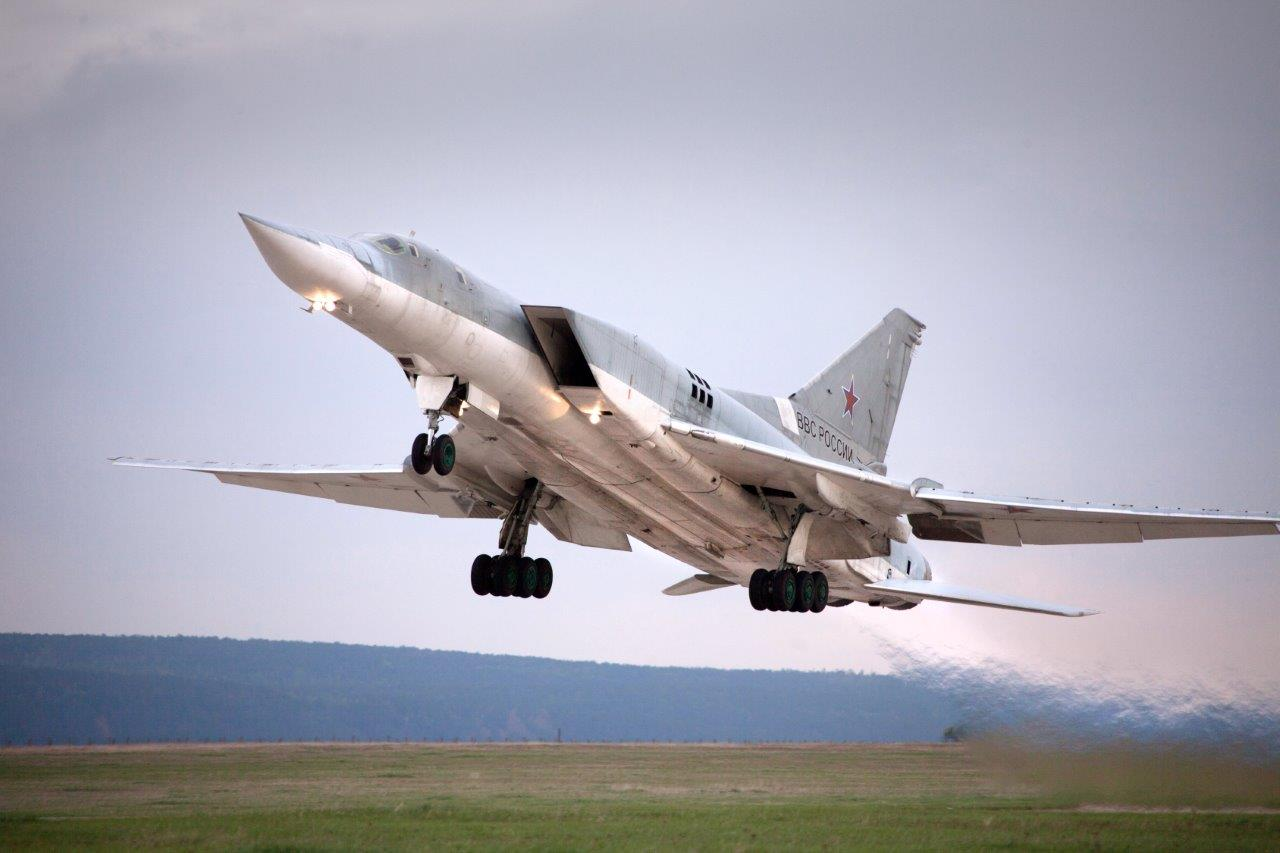
The aircraft has an aerodynamic configuration with a low-mounted variable sweep wing. The structure was made mainly of aluminum alloys, as well as heat-resistant and high-strength steels, magnesium and titanium alloys. The wing consisted of a fixed part and rotating consoles.
Unlike the Tu-22, whose crew consisted of three people, whose workplaces were equipped with downward-firing K-22 ejection seats, the Tu-22M3 crew consisted of four people, located in upward-firing KT-1M ejection seats, which significantly increased the chances of the "twenty-second-M" crew surviving in an emergency situation.
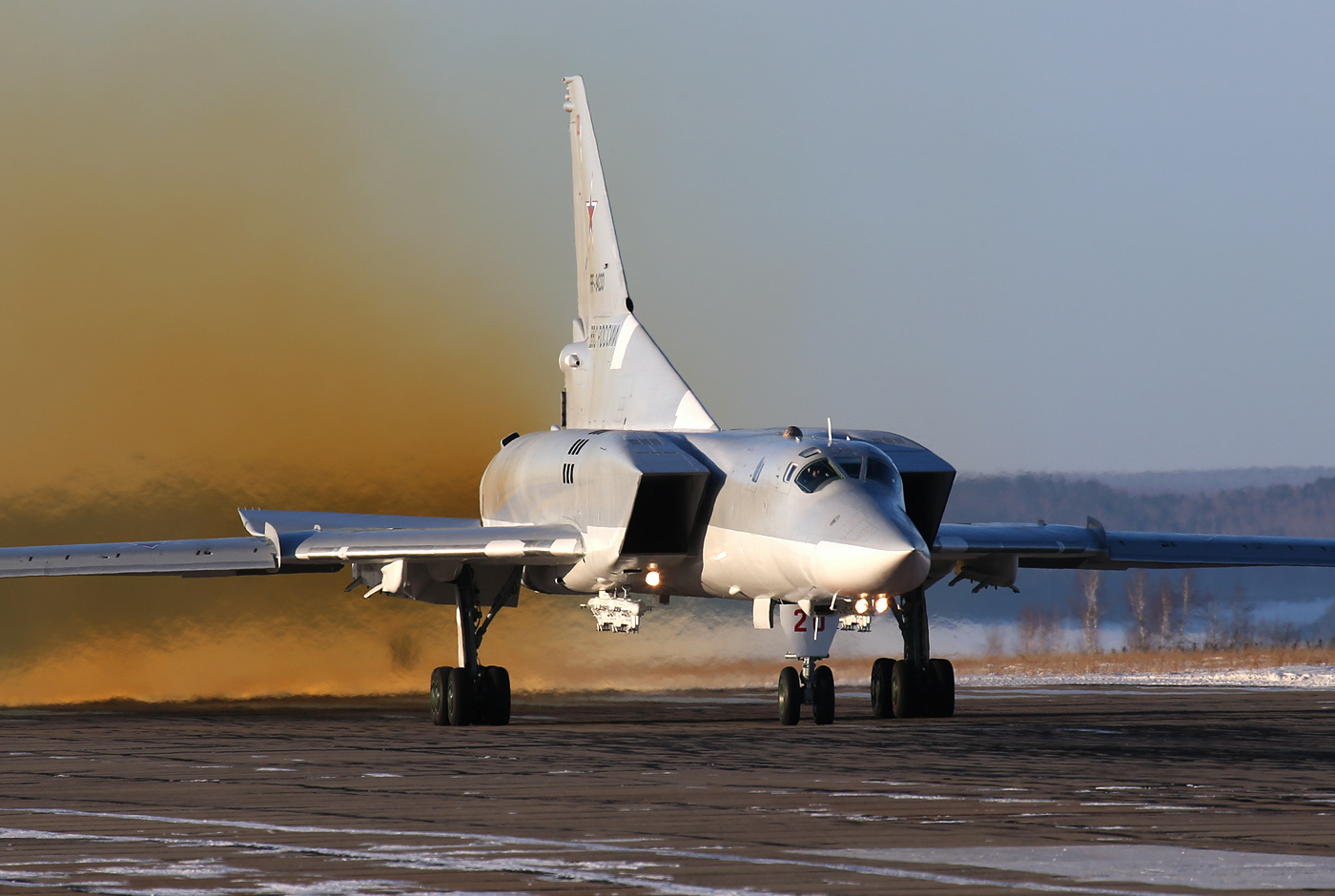
Compared to its predecessor, the tactical radius of the Tu-22M3 increased by almost 15%. When based at a distance of 800 km from the front line, the depth of combat operations increased by 20% when flying at high altitudes and by 17% at low altitudes. The total combat effectiveness increased by 2.2 times.
The PNA radar installed on the Tu-22M3 made it possible to detect large ground objects from a range of 350-500 km, ships of the "cruiser" type from 250-350 km, and aircraft carriers from 300-400 km. The probability of hitting a target of the "cruiser" or "aircraft carrier" type with a Kh-22 anti-ship missile was estimated at 0.8-0.9.
Earlier www1.ru reported that the use of half-century-old Grad MLRS has been completely rethought: new approaches to combat work.
Read more materials:
Russia has officially sold a batch of the latest Su-30SM2 fighters abroad
India will equip MiG-29 and Su-30MKI with Russian R-77 new generation missiles
Never miss our newsAdd this site to your preferred sources to see us more oftenAdd on Google

















