Russia continues to move along the path of drone development: by 2030, the production of drones in the country will increase fivefold. However, not all of them will be related to the defense industry, on which all forces are nowbeing thrown to produce aircraft. Russia is actively developing technologies for using the "birds" known throughout the world for other purposes.
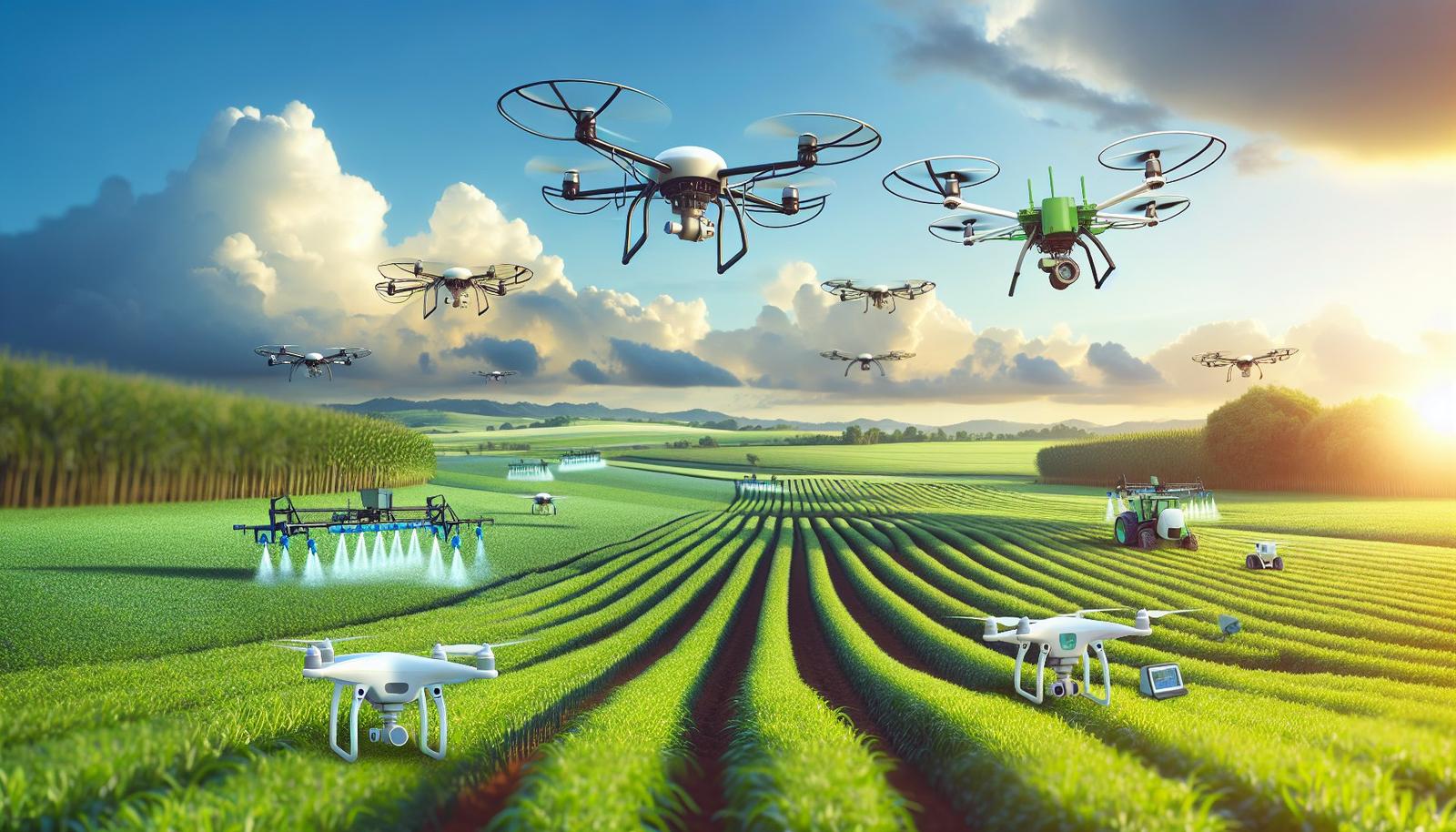
"First Technical" has compiled nine popular and promising areas where Russian drones (UAVs), unmanned aerial vehicles controlled from the ground (UAVs), and unmanned aerial systems (UAS) are already engaged or will be engaged in the coming years.
Agriculture
In a number of countries around the world, drones are already actively helping farmers monitor the condition of crops, identify plant diseases, and optimize the consumption of fertilizers and water. This makes agriculture more efficient and profitable. Agrodrones are gaining popularity in Russia as well: Rosaviation has alreadyissued the first certificates of airworthiness to such aircraft. More than ten domestic companies are already working on passing certification andlaunching mass production of agricultural drones in 2025.
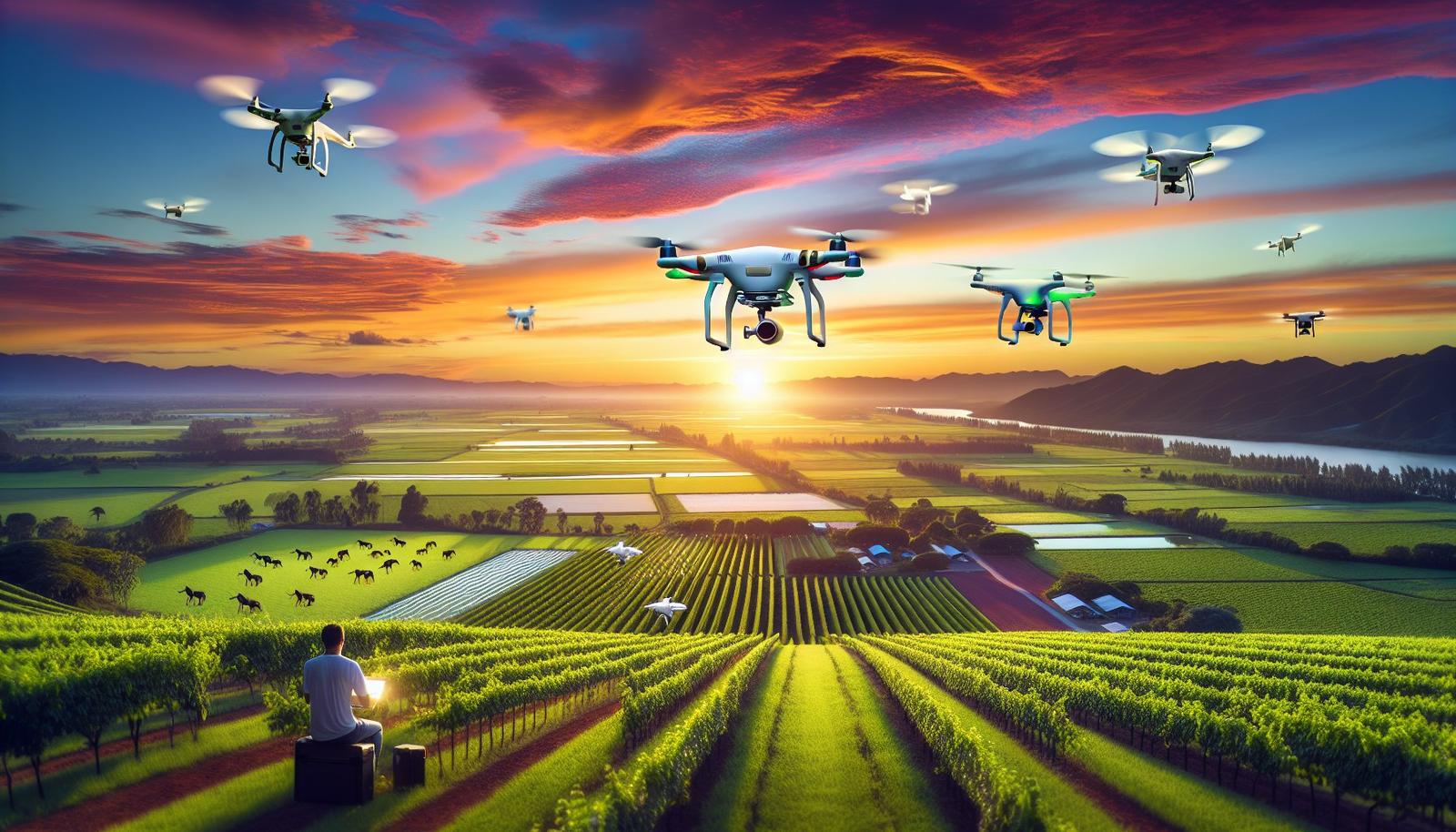
According to experts, the efficiency of treating fields with pesticides using drones willincrease by 15-25%. In addition, they will be able to solve the issue of attracting labor to Russian fields: drones are cheaper than hiring qualified and not very qualified specialists. At experimental sites, drones helpedincrease labor productivity in agriculture by two times.
It is noteworthy that some of the drones of Russian engineers are capable of performing several types of work. For example, such solutions include the light drone "Yaz-5" from the company "Quintessence". It isdesigned for reconnaissance, cargo transportation and use in agriculture.
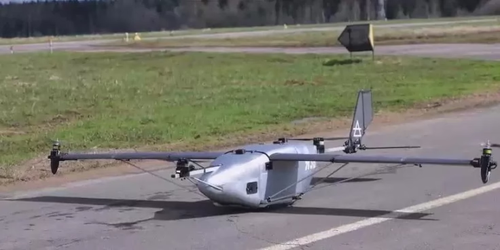
The electric "Yaz-5" allows you to transport specific equipment for reconnaissance on a cable. This is necessary when magnetic interference from the board itself is critical.
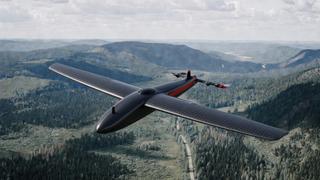
Another example of a universal drone is the hardy"Sarma" aircraft, developed by Novosibirsk State Technical University. The device with a hybrid aircraft engine can fly 1200 km without refueling, and deliver 100-120 kg of cargo to its destination. "Sarma" is designed for both cargo transportation and solving agrotechnical tasks.
Environmental monitoring and scientific research
With the help of drones, scientists, ecologists and forestry workers monitor the condition of forests, rivers and other natural resources. Drones helphunt poachers, monitor changes in ecosystems and quickly identify environmental pollution. In particular, drones for monitoring and eliminating emergencies and UAV rescue operators at the end of 2024began work on icebreakers of the Northern Sea Route.
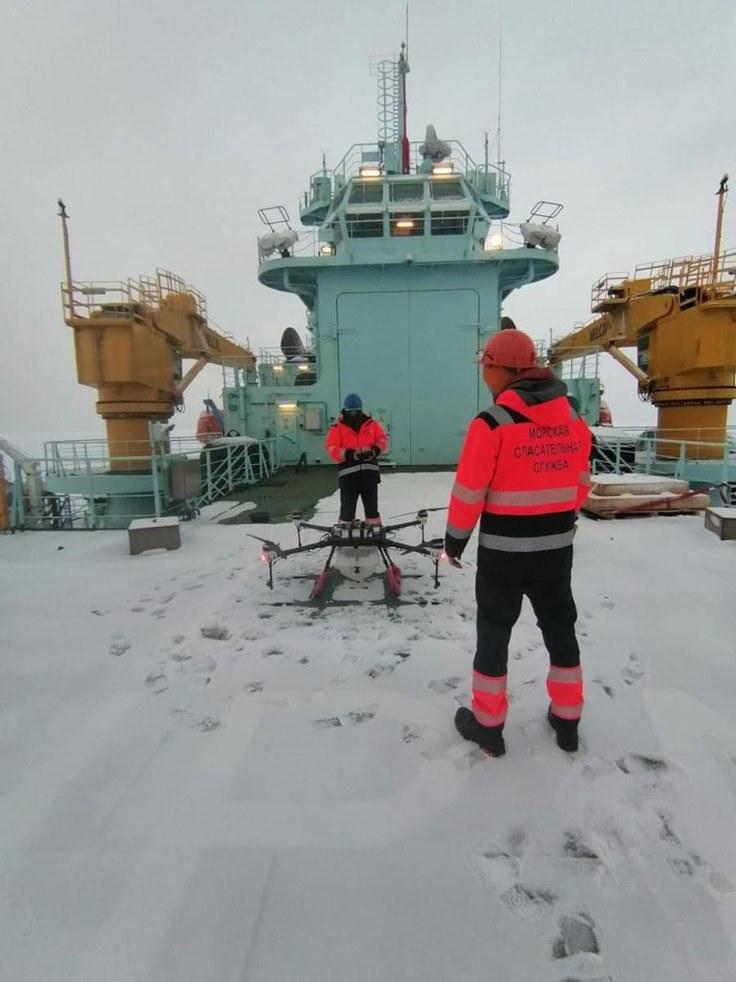
Also on the Northern Sea Route, BAS-200helicopter drones will be used. They will transport cargo, explore the ice situation and search for minerals. In the event of an emergency, they will be able to join rescue operations.
Drones also help scientists study remote areas, such as volcanoes, glaciers, reserves, forests, and rocks. This opens up new horizons for science, allows you to collect data in real time, saving human resources. For example, in Karelia in 2024, drones in the Ladoga Skerries National Park were able to collect information aboutalmost 500 hectares of territory in three days. Scientists received new information about rocks, swampy areas and other places where it is difficult and risky to send an expedition.
Drones also provide fast data transfer for more accurate research into already known phenomena and processes. For example, a weather drone was recently created for this purpose by Novosibirsk scientists. It will study the weather based on measurements of turbulence processes in the atmosphere.
Medical assistance, search and rescue of people
In Russia,drones have already been developed to deliver first aid kits to victims in the forest, in the mountains and in other remote places. They withstand a temperature range from -40 to +40 degrees Celsius and can carry a first aid kit weighing up to 30 kg.
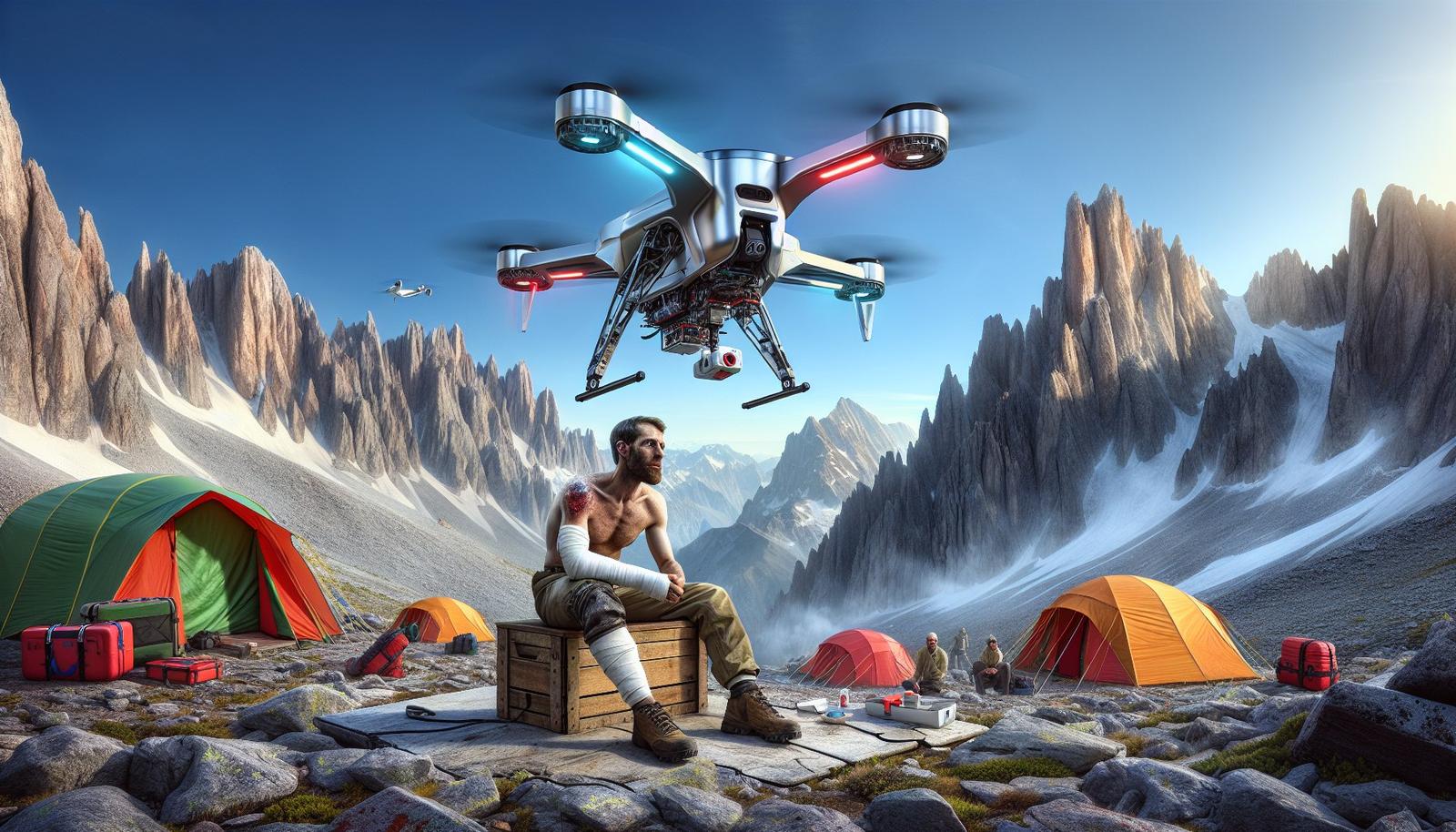
Delivering vital cargo by air is many times cheaper and faster than by other means. Drones are also already actively used in some regions to search for people lost in forests, mountains, and on the water. They can quickly survey vast areas, saving rescuers time and resources.
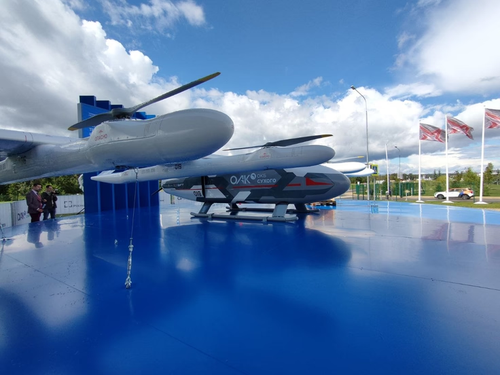
Finally, drones will soon take over thedelivery of medicines to remote regions. Such experimental flights over distances of up to 200 km have already been carried out. In particular, the BASS-76 Sukhoi Design Bureau will safely deliver medicines, as well as food, spare parts and other cargo up to 200 kg to the wilderness. At the same time, the S-76 does not need an airfield: the drone can take off and land vertically on a site of only 17x17 meters.
In the future, drones can also be used to deliver samples from patients from remote villages who are too far to travel to the nearest laboratory. While such deliveries have not been frequent, this method is planned to be made more accessible in the coming years.
This refers not only to standard samples for blood, saliva, feces and urine tests, but also to more sensitive organic samples. At the end of 2024,Russia proved for the first time in the world the safety of transporting blood plasma by drones. The tests, which were conducted by Innopolis and the Pacific State Medical University, involved the InnoVtol-3s vertical take-off and landing UAV. The drone was able to deliver blood plasma over a distance of up to 250 km. This did not affect the quality of the biomaterial - the deviation from the standard was no more than 4%.
Work in emergency situations
Drones are becoming assistants to emergency services in emergency situations: during fires, floods, and earthquakes.
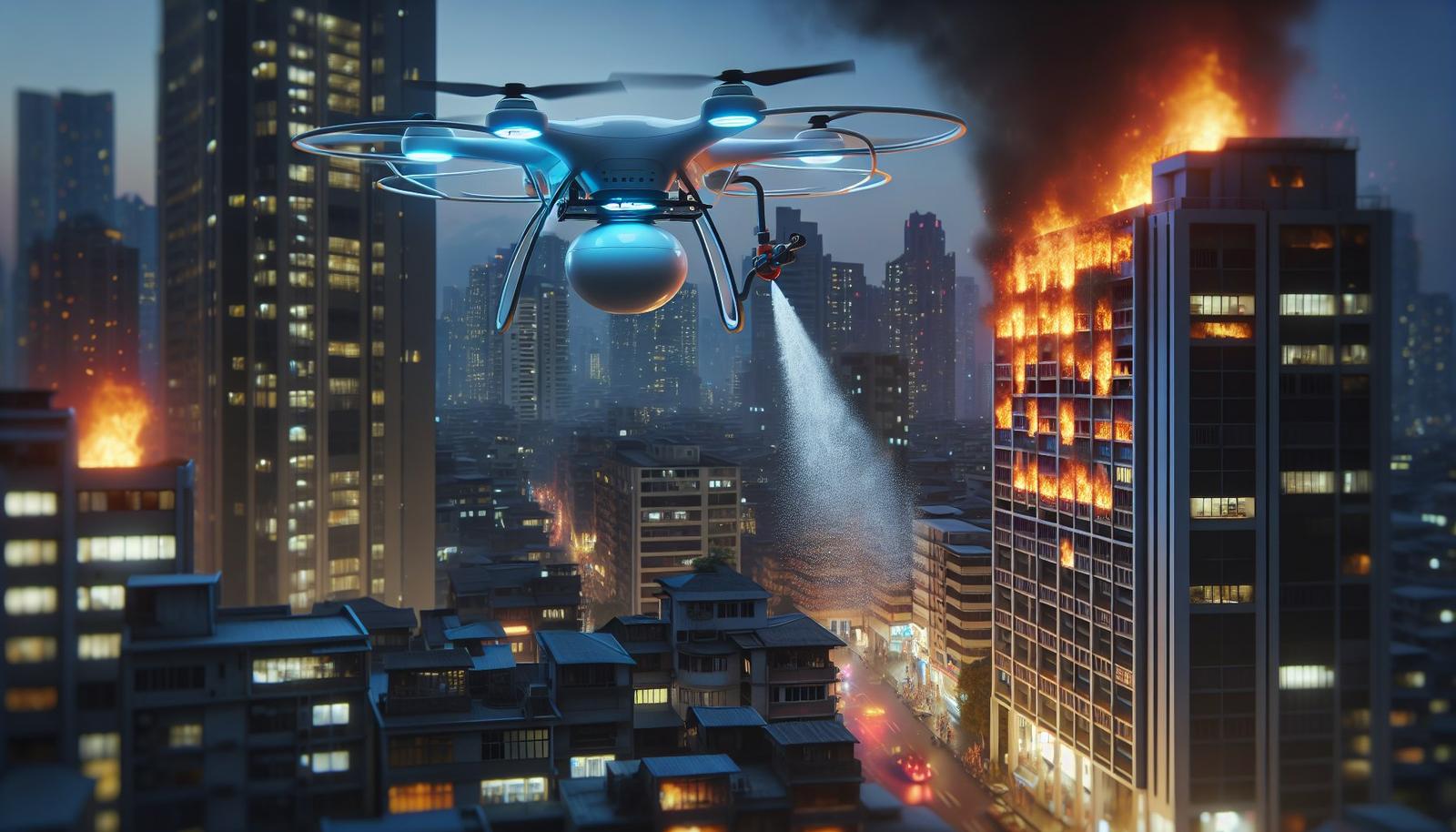
A number of unmanned aerial solutions related to fire extinguishing in cities and natural areas are being actively developed in Russia. For example, engineers at the InfInTech Corporation technology park recently talked about six drones of their own design, which have different carrying capacities and specializations. A significant part of them are intended for cities, and some drones for high-rise buildings will even be able to extinguish Moscow City.
It was originally stated that mass production of this series of drones - starting with 1-3 thousand units per year, and then more - would begin in 2024. However, in the past 2024, only two UAVs of this series, "Dym" and "Tuman", have been publicly presented so far. Such drones can carry shells with powder to extinguish fires and monitor the area.
To combat forest fires, Moscow specialists have developed asystem for detecting fires in forests using drones and charging towers. Stations can operate at a distance of 15 km from each other. Drones will create a map of the area and automatically build a route using high-speed lidars and GPS, their built-in thermal imagers will record areas with exceeded temperature indicators, and promptly transmit data to emergency services.
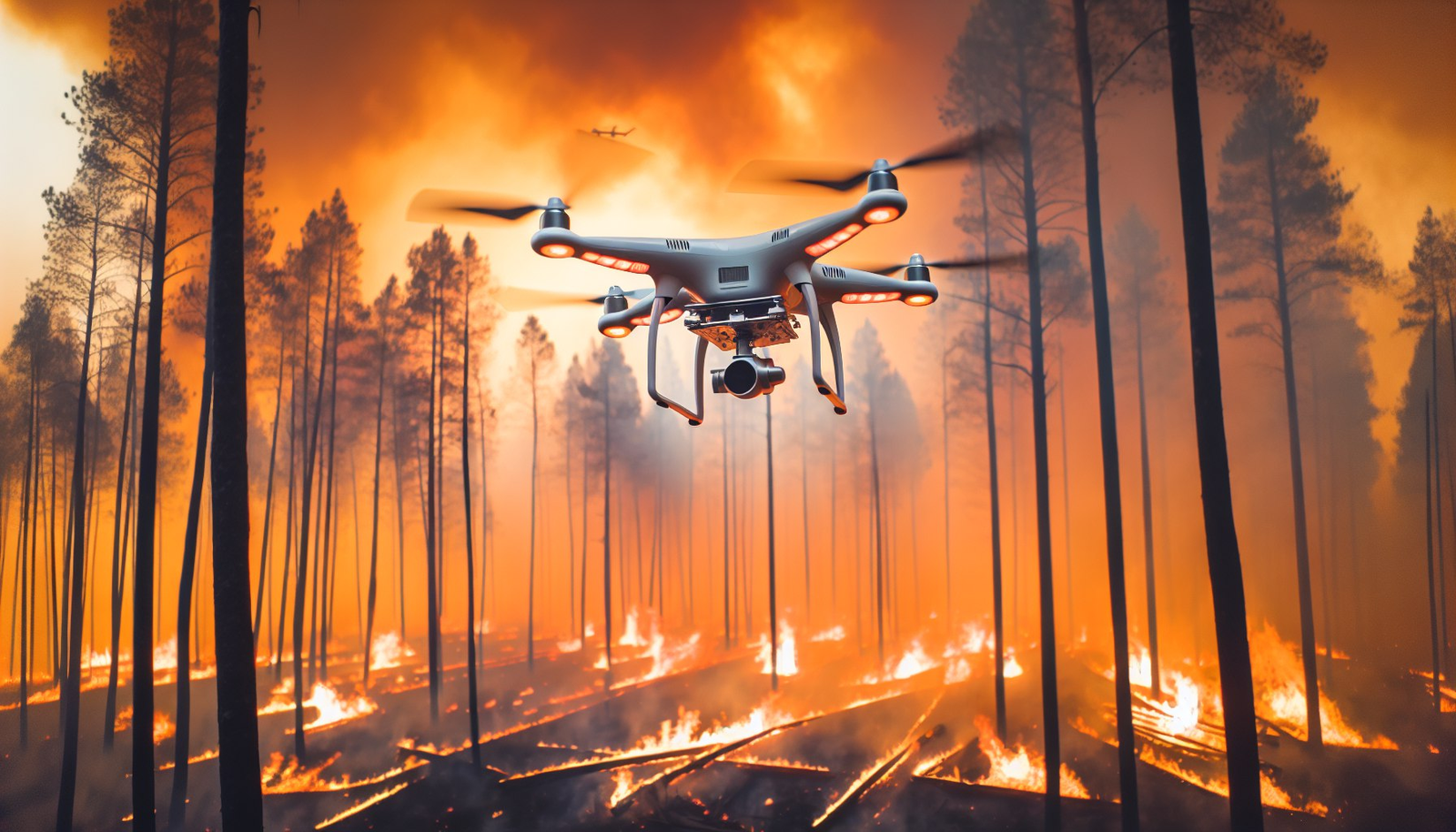
A similar drone-rescuer with a thermal imaging camera for detecting fires in forests was also presented at the Yenisei Siberia Scientific and Educational Center. However, it does not need charging towers. The device is planned to belocalized as much as possible: the domestic components and payload for this drone in Krasnoyarsk will begin to be produced as early as 2025.
Scientists from the North Caucasus Federal University have also developed their owndrone with a capsule system for rapid localization and extinguishing of fires. The new model is equipped with a pneumomechanical fire extinguishing device that will be triggered as soon as the drone detects a fire. A built-in camera and thermal imager will help him with this. If he can't cope on his own, then a whole swarm will extinguish the fire.
It is known that new unmanned aerial systems in tandem with video cameras in forests will beused for the first time in Crimea during the fire season.
The Ministry of Emergency Situations already has the Geoscan 701 UAS from the Geoscan group of companies. With the help of drones throughout Russia, including the Arctic zone, employees of the Ministry of Emergency Situationsconduct long-term monitoring of fire-hazardous, flood and ice conditions in real time. These UAS participate in search operations in remote places, on water bodies, in forests and mountains.
Also in Russia, a special drone platform for the Ministry of Emergency Situations has already been tested. It will be useful after an earthquake for installing seismic sensors in the emergency zone. With the help of the device, rescuers will be able to install sensors and assess the degree of damage to buildings during debris removal or during the evacuation of victims. The device is expected in seismically hazardous regions: the North Caucasus, southern Siberia and the Far East.
Infrastructure survey
In the last few years, drones in Russia have been actively used in experimental territories to inspect bridges, high-rise buildings and power lines.
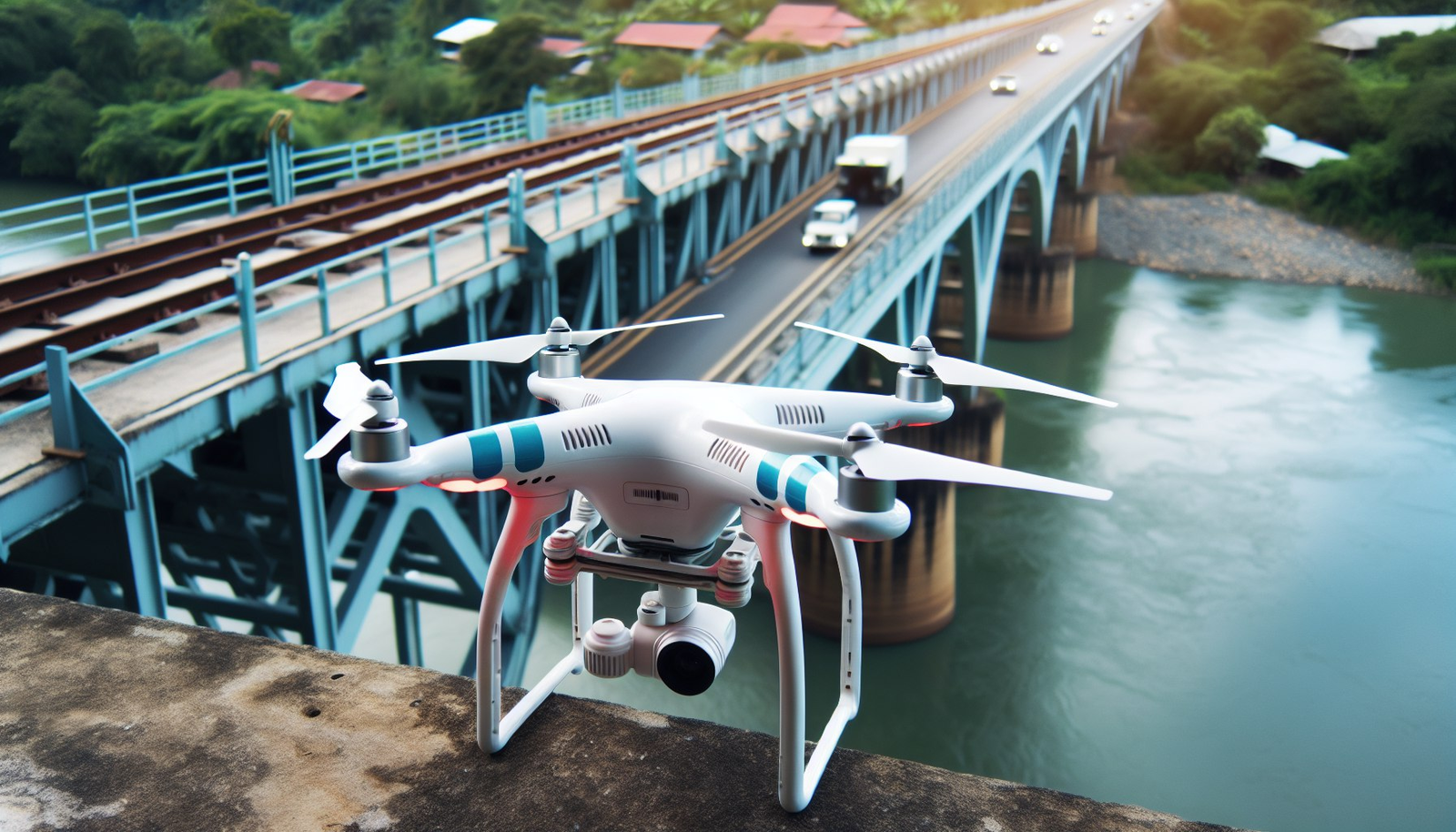
Thanks to this, it is possible to detect problems at an early stage, which helps prevent accidents. For example, in areas where power lines are inspected in this way in Russia, the risk of accidents has been reduced eightfold.
Cargo delivery
A promising direction that will be actively developed. Air cargo transportation using drones has already beentested in major Russian cities: Nizhny Novgorod and Samara.
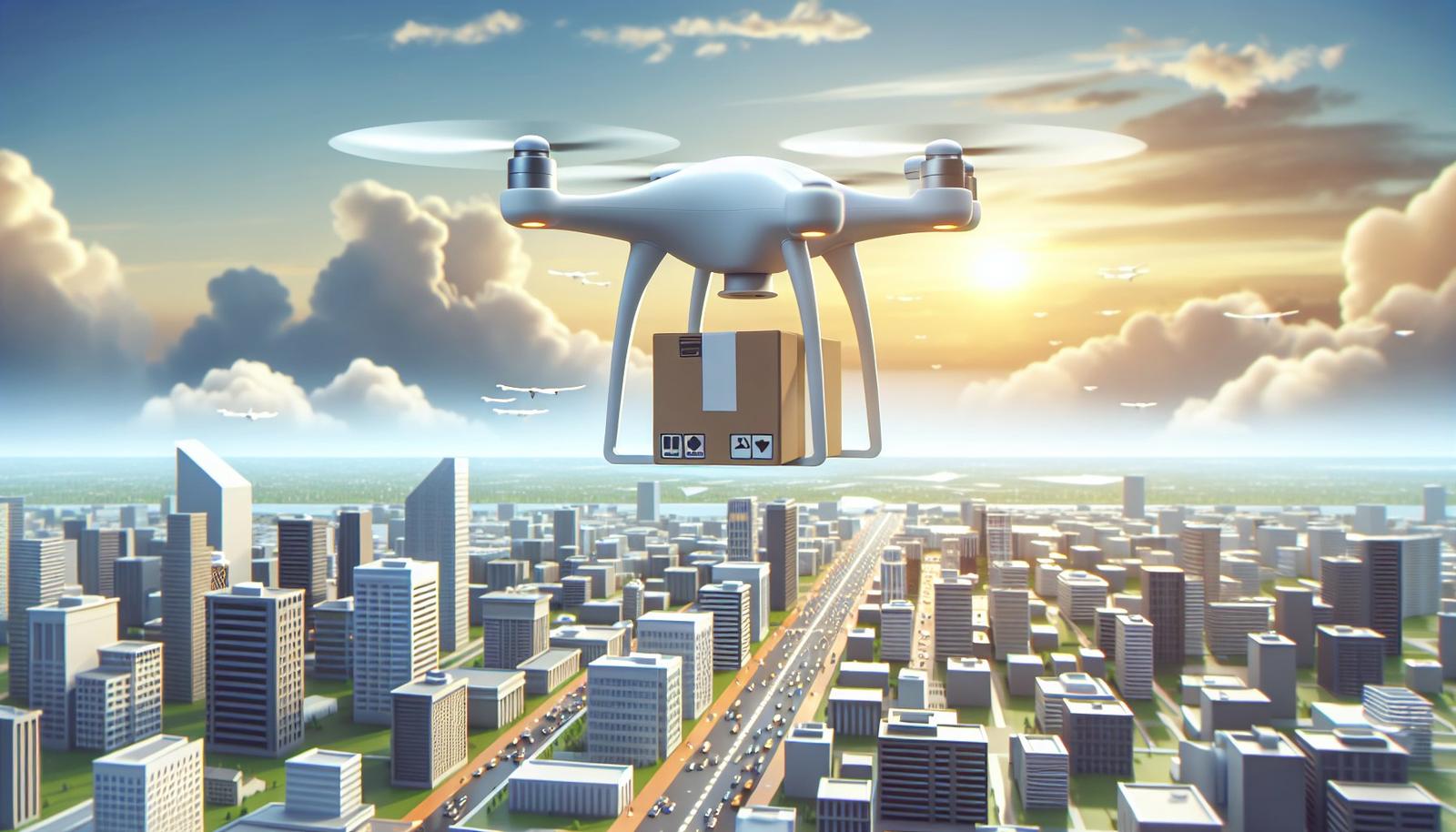
Tests were carried out on the delivery of goods by drones and in the north, for example, in the Nenets Autonomous Okrug. So far, such flights have mainly been carried out over a distance of 120-200 km, but they areplanned to be increased to distances of up to 250-500 km.
Earlier, at the end of 2023, the Ministry of Economic Development proposedto make Moscow the flagship for the development of unmanned aerial systems, and introduce a special experimental legal regime for the use of drones in the city. It was assumed that drones would deliver cargo weighing from 0.1 to 100 kg and perform a number of other tasks for residents and guests of the capital. However, this idea was later frozen indefinitely.
Industry
Drones actively patrol gas pipelines,reducing the cost of such work in experimental areas by three times. They are also used in the oil and gas industry for cargo transportation anddelivery of oil samples from remote fields to chemical laboratories instead of cars.
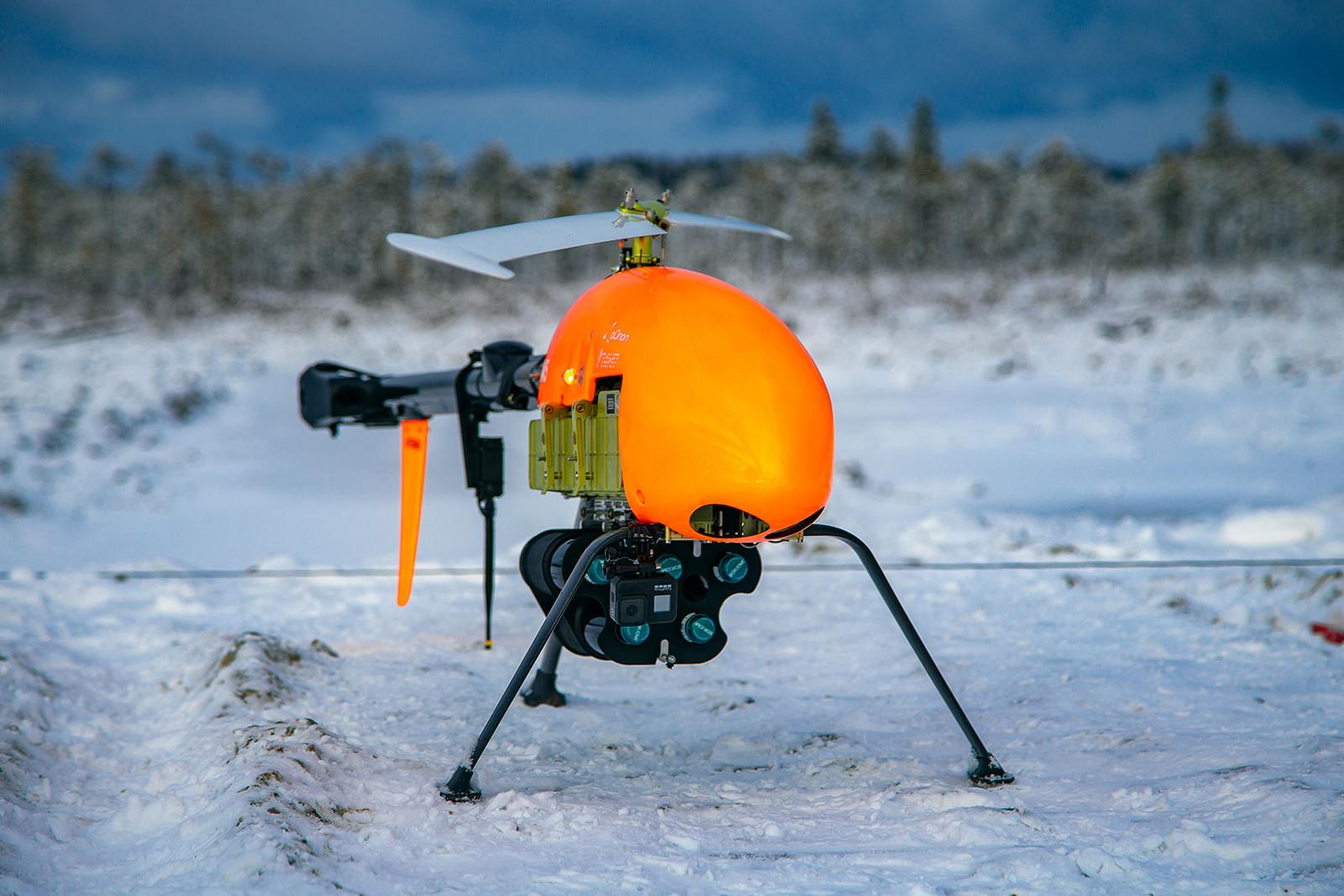
Some Russian drones with appropriate equipment help to conduct geological exploration and find minerals. In particular, the Geoscan 201 and Geoscan 401 Geophysics UAS with a quantum magnetometer, which was developed by the Geoscan Group of Companies, have successfullyproven that they can conduct aeromagnetic surveys of the area and recognize gold-bearing deposits. And the Alfa-E UAV from the Quiet Wings Group (part of the Kalashnikov Concern) showed itselfin the search for ore.
Finally, drones were officially recently included in the arsenal of private security organizations, which protect large and not very large enterprises. The corresponding federal law was signed in November 2024 by President Vladimir Putin.
Preservation of cultural heritage
Drones are already actively used to document architectural and historical monuments. They can also find significant objects on the ground and underground during major works: archaeological excavations, preparing agricultural land for use, or large construction projects. The Alfa-E UAV was recentlyrecognized as the best in this area.
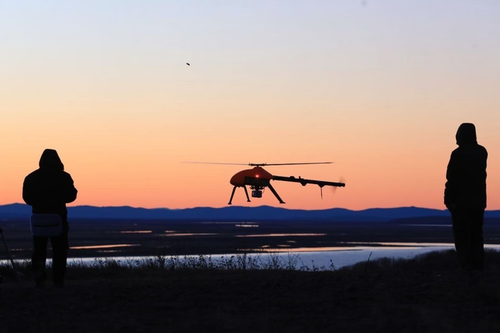
During the competition, theAlfa-E drone not only determined the coordinates of objects underground, but also the materials from which they are made. However, despite this and other solutions on the Russian market, the Foundation for Supporting NTI Projects has announced a competition to create a separate specializeddrone for archaeologists and builders.
It will have to study the territory before the start of construction work, scan the ground to a depth of 5 meters, search for and identify metal objects, bones, ceramics, and fossils in it. For this purpose, the drone will be equipped with a metal detector, ground-penetrating radars and a number of sensors. But there is a nuance: the participants of the competition are obliged to develop a method for analyzing the data obtained from the devices using a neural network.
Financial sector
A promising, but not yet fully developed area. In particular, in 2024, the Russian company Skyyerpresented its special platform for monitoring the condition of the borrower's movable and immovable property.
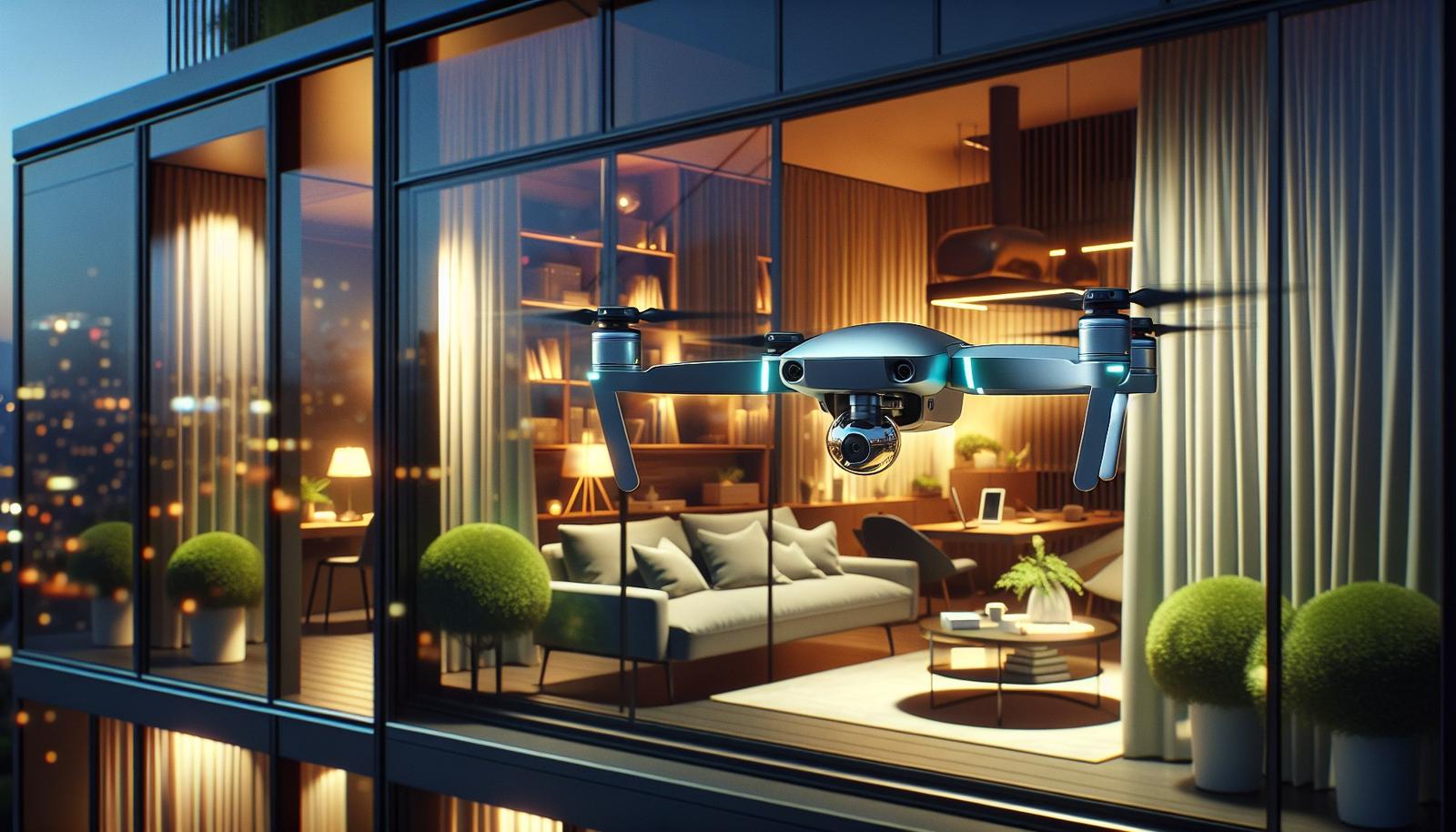
Drones associated with the platform help track the condition of the borrower's collateral through a regular smartphone. This reduces the cost of on-site visits by specialists from collateral departments and monitoring companies that track financial risks for credit institutions.
Read materials on the topic:
The Ministry of Economic Development of Russia will continue the experiment with drones
Never miss our newsAdd this site to your preferred sources to see us more oftenAdd on Google