
Cybercrimes in Russia Account for 40% of the Total Number of Offenses

Attackers resort to psychological tricks to make the victim believe in the need to transfer money

Fraudsters are actively seeking potential victims using social engineering techniques

Fraudsters steal passwords from bank cards by sending phishing links in Telegram

After hacking a personal page, the attacker restricts the owner's access to it

Gullible citizens are offered "work" in crowd scenes, inducing them to take out loans
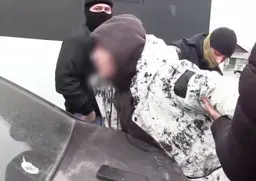
The program was distributed via Telegram and disguised as applications and video files

Fraudsters create a unified network of smart devices infected with malware

Connecting to such networks can lead to the theft of personal information

Attackers replace QR codes on electric scooters to steal data

Attackers pose as operators and collect biometric data via video call

Fraudsters demand to dial a special code to "check the network"

Fraudsters use rented accounts of teenagers for criminal purposes

The position of law enforcement agencies on this issue remains unchanged

Russians urged not to open suspicious links and files, even if they come from acquaintances