There are currently two top-level active centers on the Sun
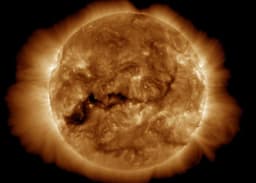
Experts do not yet predict magnetic storms

The cause of the geomagnetic storm may have been mass from the solar flare on January 1
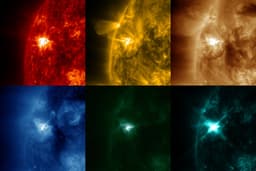
IKI RAN reported a powerful X1.1 class flare

The launches of Vega-1 and Vega-2 stations took place in late 1984, communication with them ceased in 1987

But the probability of capturing this phenomenon in Murmansk is much higher
Scientists have registered a flare of the highest class X

Installation of the BTN-M2 device inside the "Nauka" module opens up new opportunities for research
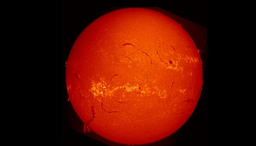
The excess of solar energy in the equatorial zone of the Sun is burned in a huge number of medium-class flares, and this is good for the Earth

The ejection that occurred on October 14 became one of the most impressive of the current solar cycle

The probability of its occurrence is only 10%
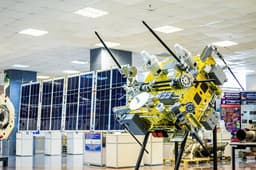
The first satellites of this group were planned to be launched in 2022-2023, but the project has only now been resumed