The Russian nuclear power plant control system received its first foreign application at the Rooppur NPP in Bangladesh: a digital assistant for operators analyzes data from hundreds of technological systems, identifies deviations, and prompts personnel on how to act in various situations. Approximately 20 thousand units of equipment for 43 systems, controlling more than 7000 operating parameters, were installed at the plant's power units.
At the core of the complex is the Operator Information Support System (SIPO), built on a digital twin of the power unit. It processes information from 360 technological systems and compares what is happening with instructions for personnel. Its database contains more than 80 instructions, including emergency ones.
The system's task is to help the operator quickly notice a deviation and choose actions provided by the regulations. Before Rooppur reached this stage, the technology was used at Russian nuclear power plants, including Novovoronezh NPP and Kursk NPP-2.
The scale of the project is important not only for the amount of equipment. Rooppur will be the first nuclear power plant outside of Russia to implement this operator support system. However, the digital assistant does not replace personnel and does not manage the plant independently: it analyzes data and provides recommendations, while decisions remain with the operators.
In parallel, today the first power unit of the Rooppur NPP in Bangladesh was brought to a minimally controlled power level. At this stage, the reactor reached a self-sustaining controlled nuclear chain reaction. Now, tests of the unit at various power levels are ahead. Upon successful completion of the checks, the unit is planned to be prepared for energy start-up and connection to the Bangladesh power system by the end of November 2026.
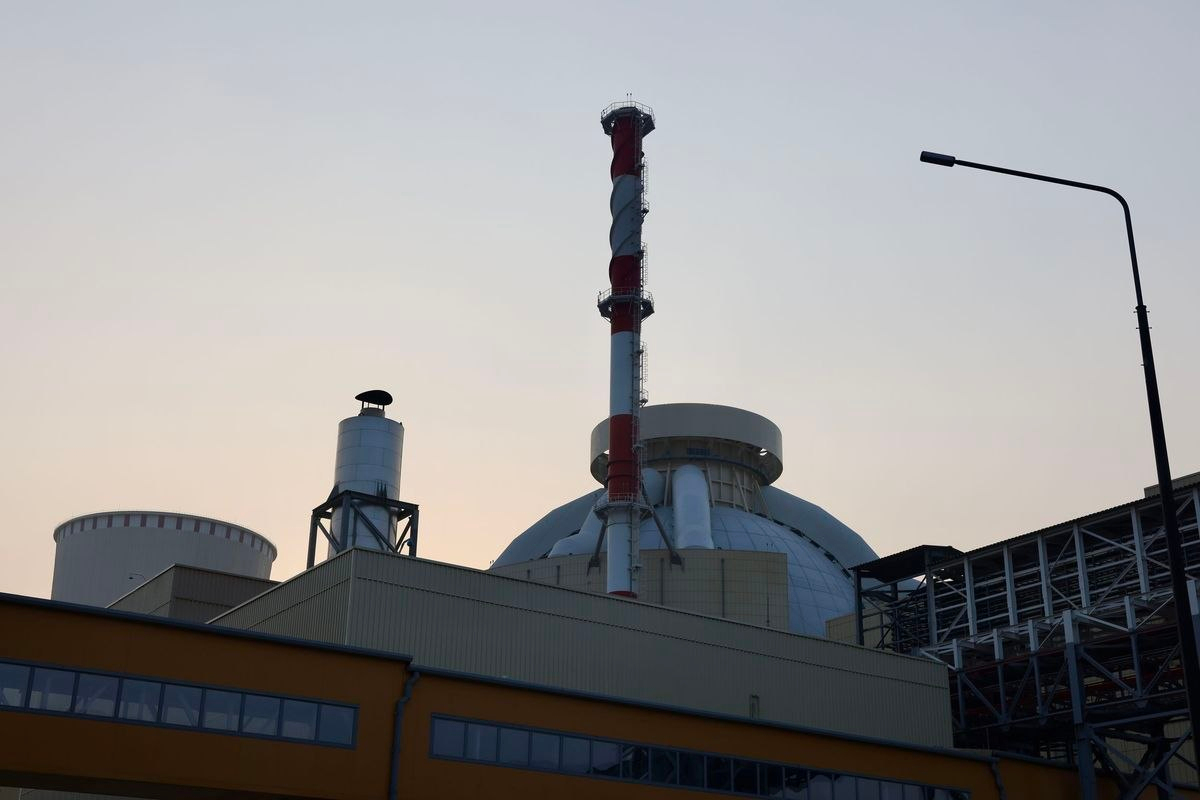
Rooppur NPP is being built according to a Russian design approximately 160 km from Dhaka. The plant includes two power units with VVER-1200 generation 3+ reactors with a total capacity of 2400 MW. After reaching its design capacity, the plant should become one of the key sources of electricity for Bangladesh.
Read more on the topic:
Never miss our newsAdd this site to your preferred sources to see us more oftenAdd on Google