Tatneft is purchasing AI for programmers – it will work without internet on Nvidia H100. The platform is planned to be deployed in the company's closed loop. It should write and check code, work with old software, and analyze codebases of 1 million lines or more.
The company wants to create a corporate AI tool that will help programmers write and fix code, create tests, find security issues, and work with technical documentation.
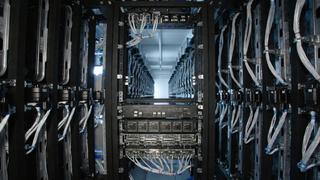
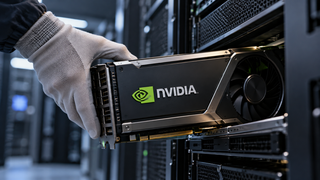
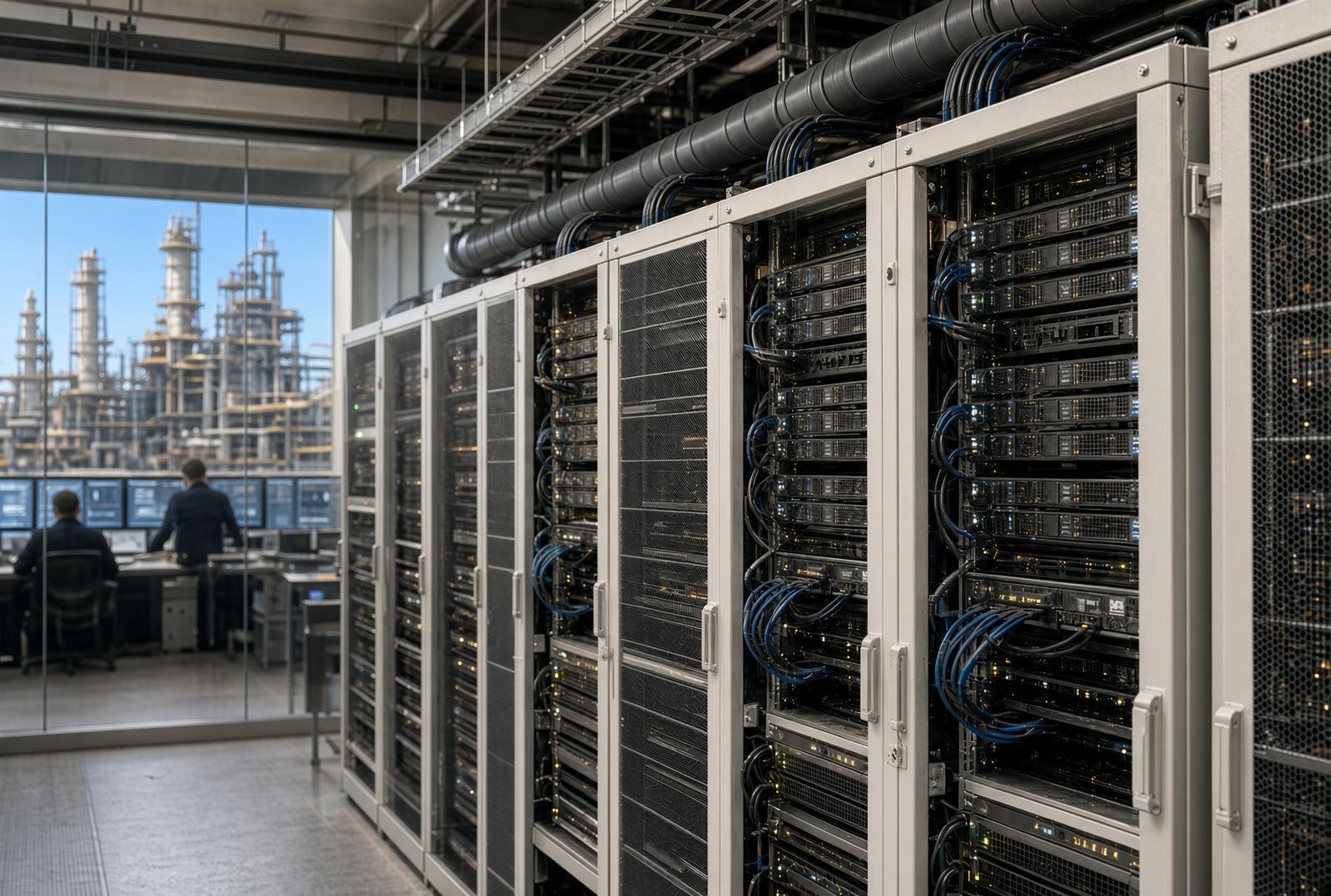
However, the neural network will not be connected to the internet. The platform is planned to be deployed in Tatneft's data centers in an isolated loop. Servers with Nvidia H100 NVL accelerators and Intel Xeon Gold 6448Y processors are provided for the system's operation.
AI must work with a million lines of code
The technical specification states that the system must handle large codebases of 1 million lines or more. For working with Tatneft's internal documentation and code, a RAG mechanism is provided, which allows AI to find the necessary information in corporate data.
The platform must be able to automatically create and fix tests, generate code, refactor, and check software quality and security. It is also required to create unit tests taking into account the source code and the business logic embedded in it.
C#, JavaScript, TypeScript, Java, Python, Go, PHP, SQL/PL-SQL, and Bash/Shell must be supported. The technical specification also lists popular frameworks, including ASP.NET Core, Spring, FastAPI, Django, React, Vue, and Express.
The system must support local large language models. Different models are expected to be used for different tasks: for example, one for code autocompletion, another for Code Review, and yet another for security analysis.
AI should complete one line of code in a second
Specific standards were also considered in the performance requirements. Autocompletion of one line should take no more than 1 second. The system should generate a block of up to 50 lines in a maximum of 10 seconds, and checking up to 500 lines of code should fit within one minute.
Moreover, the contractor must pre-check Tatneft's equipment and confirm that it allows for such performance. Sanctions are provided for non-compliance with the requirements, up to termination of the contract and return of the entire amount paid.
AI code will be fully controlled
The system's operation will be recorded in logs. In particular, it is planned to record when a programmer turned on the AI, what function was used, and how the obtained code was applied in a real project.
This will allow the company to see which part of the code was written by a human and which was created with the help of AI.
The platform also wants to be linked with corporate development systems, including Devprom ALM, Test IT, self-hosted GitLab, and Active Directory.
At the same time, results created with the help of AI, including code, tests, documentation, and reports, according to the terms of the purchase, must belong to Tatneft from the moment of creation.
Why AI is hidden from the internet
Tatneft already has significant critical information infrastructure facilities, and the company itself specifically lists the protection of such facilities among its information security tasks. Therefore, a closed loop without connection to external resources is provided for corporate AI.
But isolation itself does not mean absolute protection against leaks. Expert assessments cited by CNews specifically note the need for access rights differentiation, control of model requests and responses, audit of actions, and protection of the entire development chain.
There is another feature. Although software from the Russian registry is planned to be used, the server accelerators specified in the technical specification are American – Nvidia H100 NVL. In addition, the specific language model must be chosen by the future contractor.
Experts interviewed by CNews estimate possible costs differently: one of them talks about 400–600 million rubles for the first year and 150–250 million rubles annually thereafter, another estimates implementation with equipment at approximately 100–200 million rubles.
Read more on the topic:
Never miss our newsAdd this site to your preferred sources to see us more oftenAdd on Google