MVNO projects (Mobile Virtual Network Operator) are increasingly appearing in Russia. These are virtual mobile operators that do not have their own physical infrastructure — towers, base stations, frequency resources. They lease all of this from traditional operators (MNO — Mobile Network Operator), but sell services to subscribers under their own brand. In essence, these are the same tariffs of a large operator, only under a different name. Olga Kravtsova, Director for the Development of the Virtual Operators Segment at T2, drew attention to the problem.
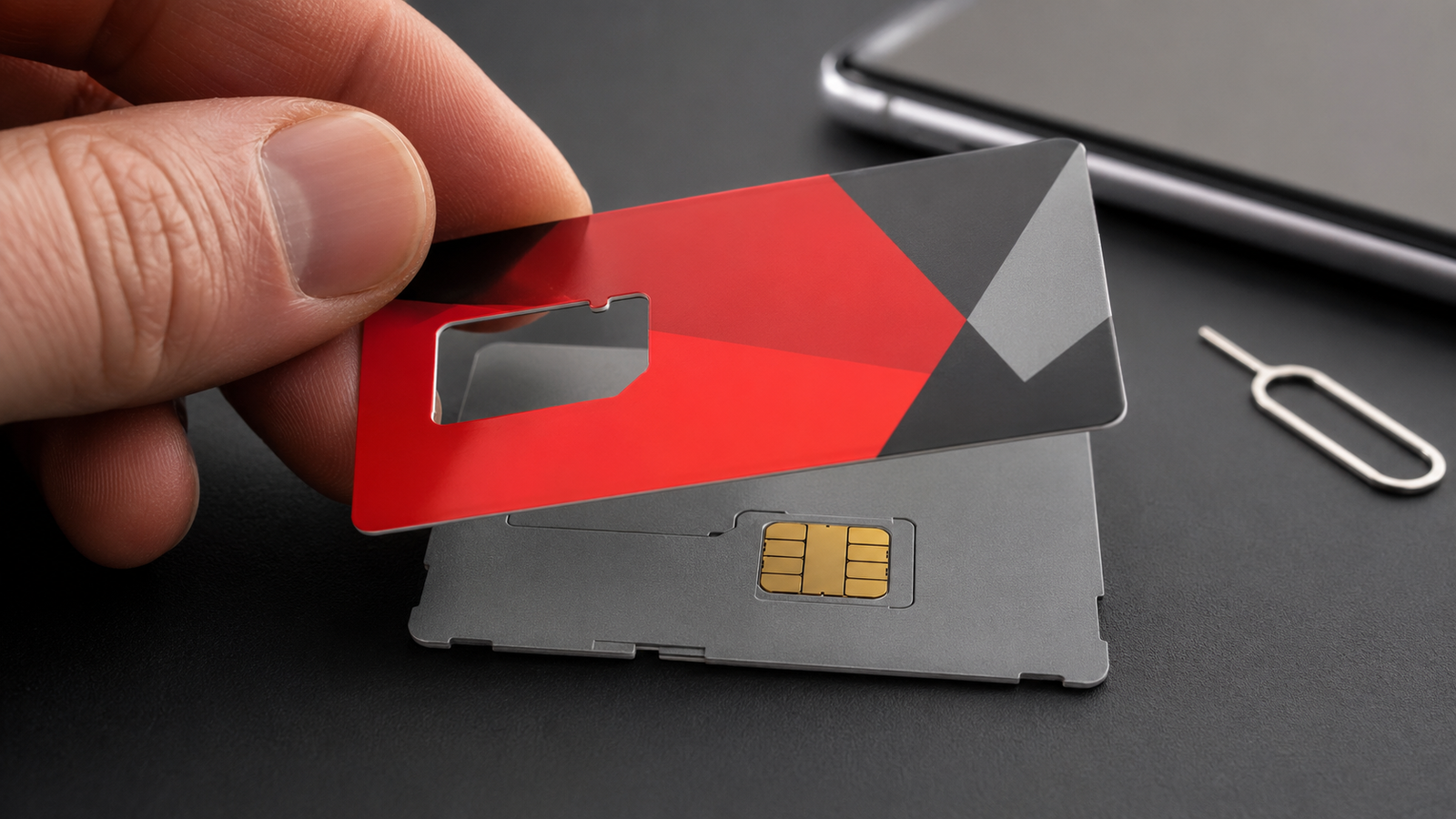
According to her, a full-fledged MVNO must have its own license, dedicated numbering, and independently be responsible for working with subscribers, protecting their data, and complying with legal requirements. The client, in this case, enters into an agreement specifically with the virtual operator.
For branded tariffs, the scheme is simpler. A familiar name may hide a standard offer from the basic operator, and the partner is mainly engaged in marketing, sales, and SIM card distribution.
T2 believes that due to vague formulations, almost any special tariff — for a club, university, blogger, or other brand — can be called an MVNO today. At the same time, marketing names like "smart-MVNO" or "express-MVNO" do not change the legal status of the project.
The share of virtual operators in the Russian market is already estimated at 8–11%. T2 proposes to more clearly separate real MVNOs from partner tariffs so that the term does not simply turn into an advertising label.
Read more on the topic:
Never miss our newsAdd this site to your preferred sources to see us more oftenAdd on Google