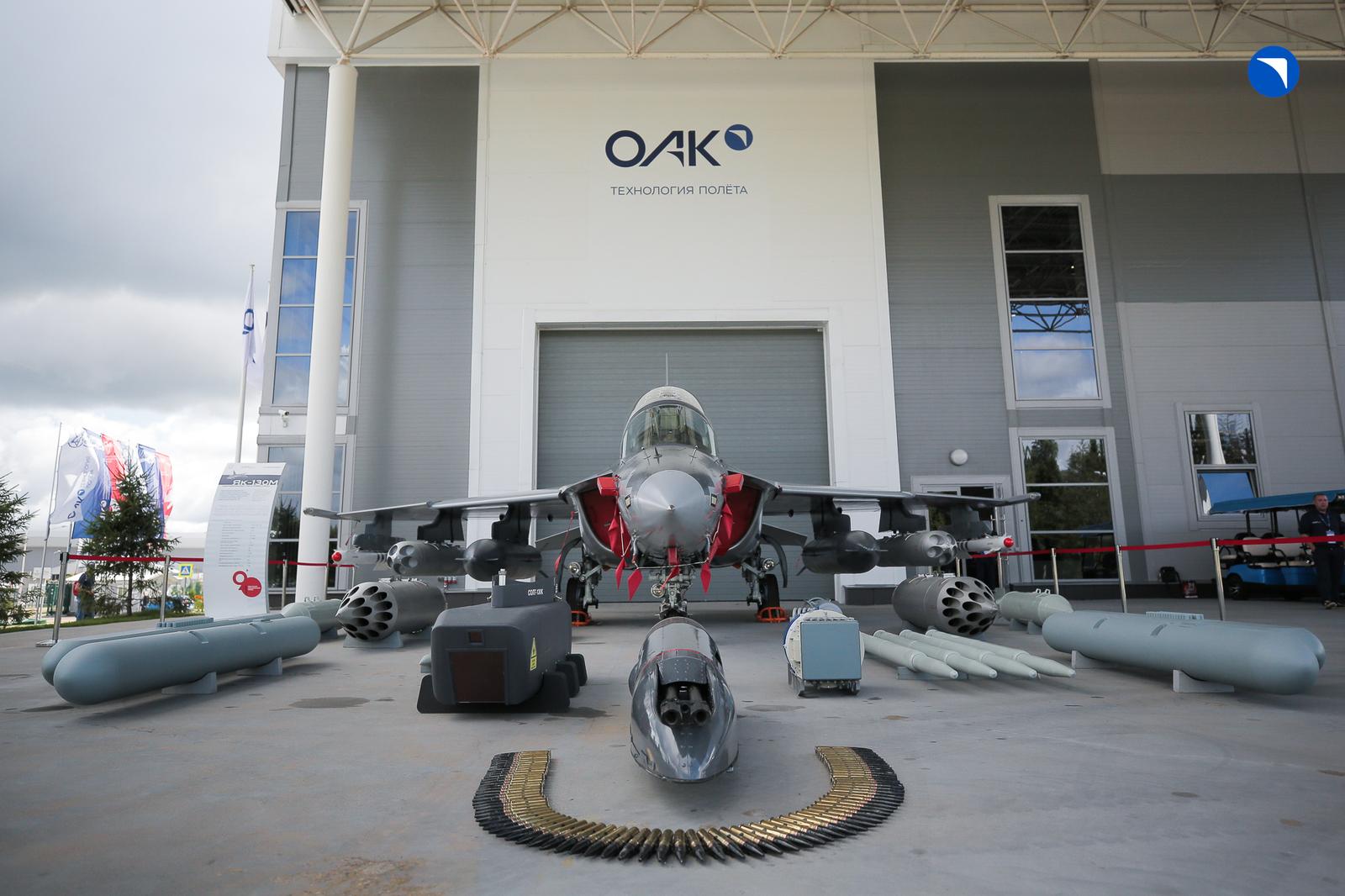
Foreign military observers from Army Recognition have analyzed the Russian Yak-130M. In the West, it is believed that the aircraft has evolved from a training platform into a multi-purpose light combat platform capable of supporting air defense, dealing with drones, and ensuring maritime security.
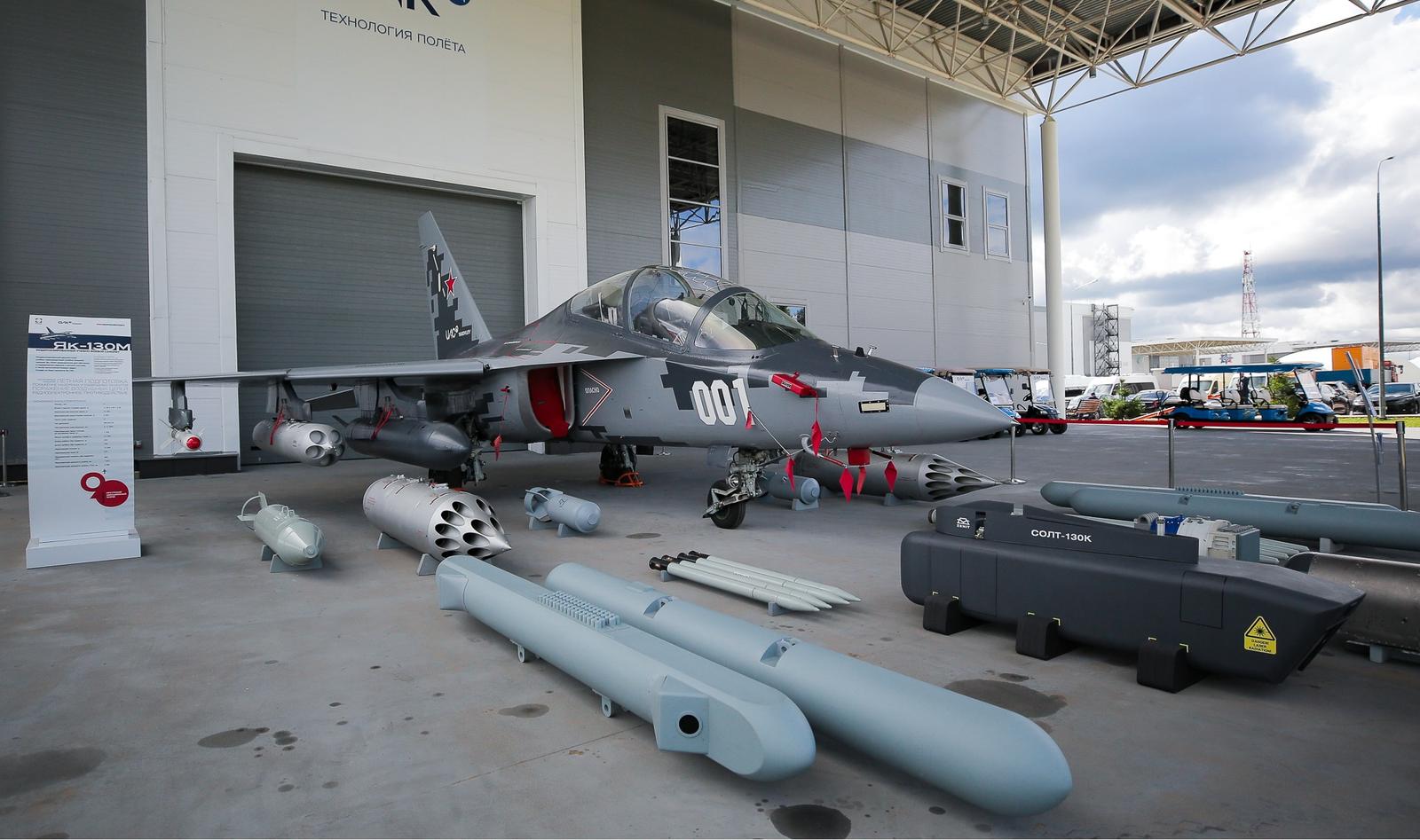
Three Secret Systems and Fifty New Parts
The first flight of the modernized aircraft took place on June 25, 2026. And just a month later, on July 24, TASS officially announced that the Yak-130M had received specialized combat missions — intercepting heavy drones and unmanned surface vehicles (USVs).
What is behind this transformation? The aircraft was packed with new electronics — more than 50% of the equipment was replaced. The upgrade is based on three key systems.
- BRLS-130R radar, which allows searching and tracking targets.
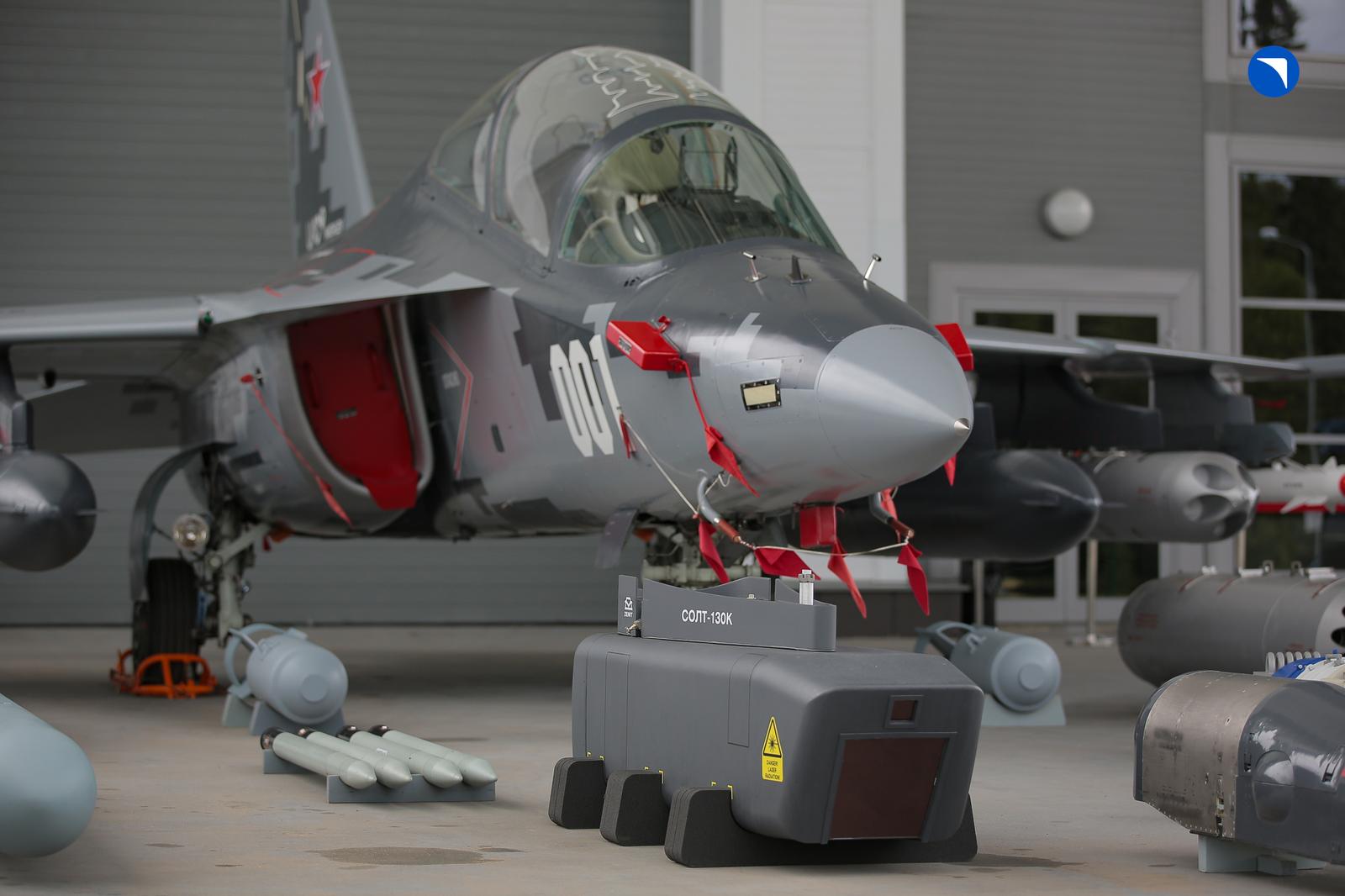
- SOLT-130K electro-optical targeting system — a thermal imager and laser operating in passive mode to avoid detection.
- "President-S130" self-defense complex and new KSS-130 communication system.
In addition, the Yak-130M received a serious arsenal — R-77-1 air-to-air guided missiles with active radar guidance (long-range combat, beyond visual range) and R-74M with infrared guidance (close-range combat). High-precision bombs and missiles with satellite and laser guidance will be used against boats — the exact munition is still kept secret.
Ground radar detected, aircraft finished off
Western analysts have evaluated the probable algorithm of use. In their opinion, ground radars or command posts guide the Yak-130M to the contact, after which its own radar and electro-optics refine the trajectory, classify the target, and complete the engagement. The two-seat cockpit provides an advantage — one pilot flies the aircraft, the other controls sensors and weapons.
The most interesting point is the two-level concept. Army Recognition writes that the Su-57 can play the role of a long-range, highly effective air defense interceptor, while the Yak-130M will cover the lower echelon of a multi-layered air defense system.
Why hunting boats is harder than drones
Special attention was also paid to the naval role of the Yak-130M. Unmanned boats are small, difficult to spot against the waves, especially at night. This is where the SOLT-130K thermal imager comes into play — it helps identify the target and guide weapons after a coastal radar or ship provides initial targeting.
So far, three prototypes have been assembled. The full cycle of tests will last until December 2028, with deliveries promised to begin in late 2028. Maximum speed — 960 km/h, range — 1610 km, nine hardpoints, combat load — 2.5 tons.
As Army Recognition emphasizes, if all systems — radar, optics, weapons, protection, and communication — are properly integrated during testing, the Yak-130M will become a full-fledged specialized link in the new anti-drone defense system.
Read more on the topic:
Never miss our newsAdd this site to your preferred sources to see us more oftenAdd on Google