The second magnetic storm in July has begun on Earth. As TASS reported from the Laboratory of Solar Astronomy of IKI RAS and ISZF SB RAS, the disturbance was recorded almost two days after the planet entered a plasma stream from a coronal hole on the Sun, and it is expected to last until Friday afternoon.
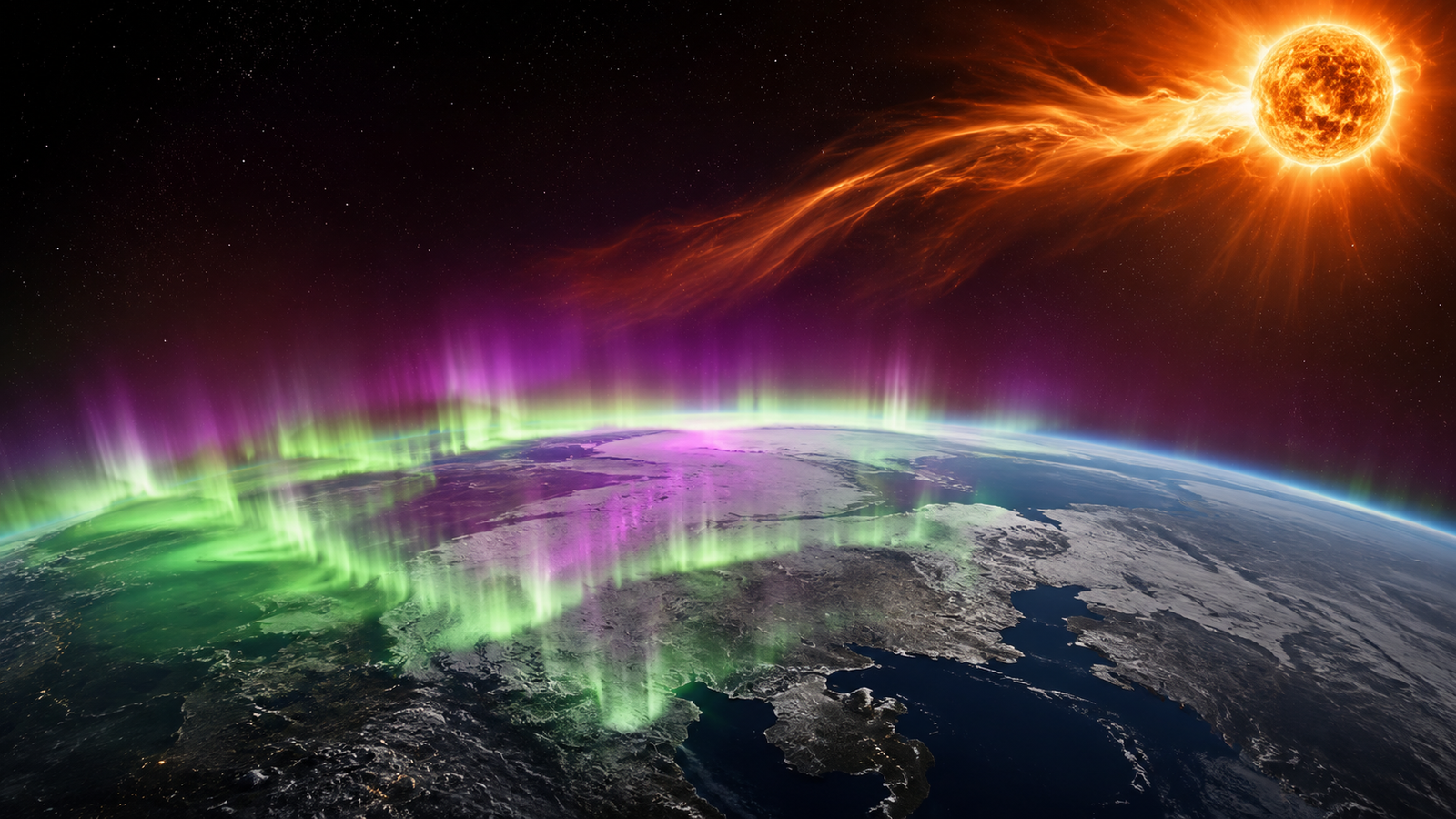
The storm level is the minimum G1 on a five-point scale. The previous one, which occurred on July 4, reached G3 and was significantly stronger. However, scientists admit that it is difficult to name the exact cause of the storm: the parameters of the solar wind hardly changed, and the sign of the magnetic field changed about ten times in a couple of days. Most likely, the magnetosphere reacted to the accumulated impact – specialists call this "metal fatigue".
The summer has been generally calm: only five magnetic storms have occurred in June and July, including the current one. Despite the weak level of the event, the aurora borealis charts have already turned red – flashes can be expected in northern latitudes. For weather-sensitive people, G1 class storms usually go unnoticed, but the very fact of activation after prolonged background plasma pressure indicates that the Earth's magnetosphere is currently more sensitive to small disturbances than expected.
Read more on the topic:
Never miss our newsAdd this site to your preferred sources to see us more oftenAdd on Google

















