Translated with AI from the Russian original.
The Central Aerohydrodynamic Institute named after N.E. Zhukovsky (TsAGI, part of the National Research Center "Institute named after N.E. Zhukovsky") has successfully completed a series of aerodynamic studies of the TVRS-44 "Ladoga" turboprop aircraft.
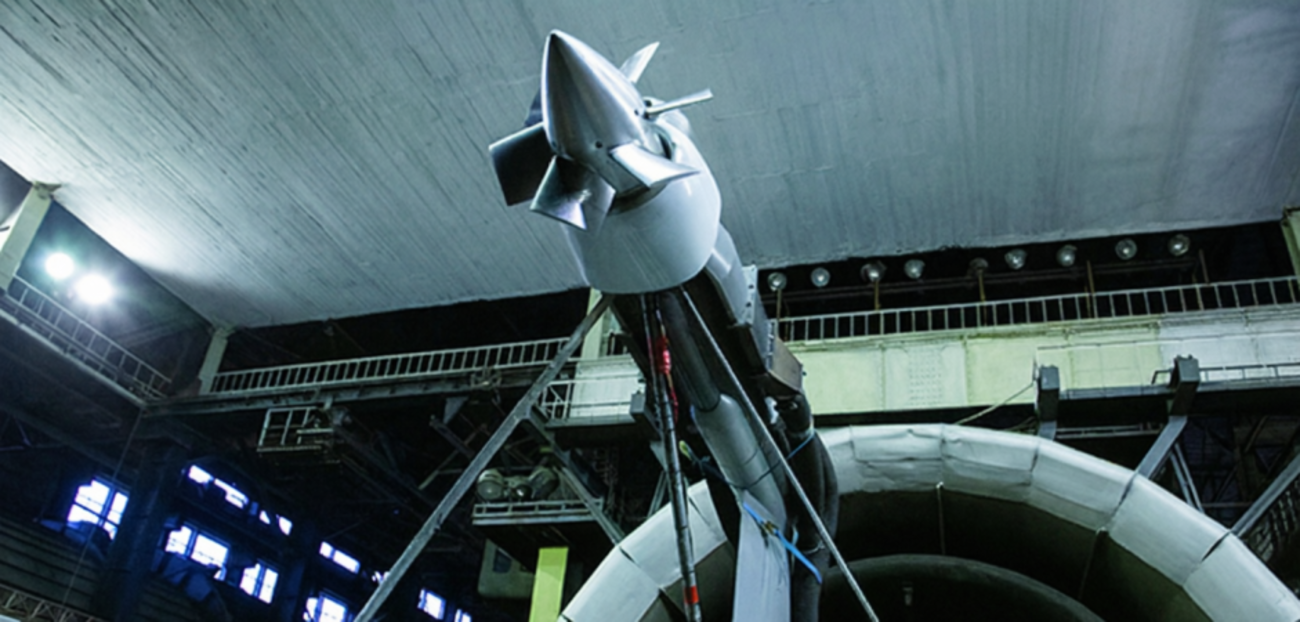
The institute's specialists conducted innovative tests of the turboprop engine's air intake device, including simulating the operation of the air propeller. The experiments were the first of their kind in modern Russian aviation practice. They allowed evaluating the parameters of the air flow at the engine inlet.
The work began with a numerical simulation of the flow in the air intake of the main power plant based on a domestic turboprop engine. Next, a program of aerodynamic tests of the device model in combination with propeller elements was developed. Scientists created a special model of the air intake with engine simulation. The tests were conducted in TsAGI's large low-speed wind tunnel.
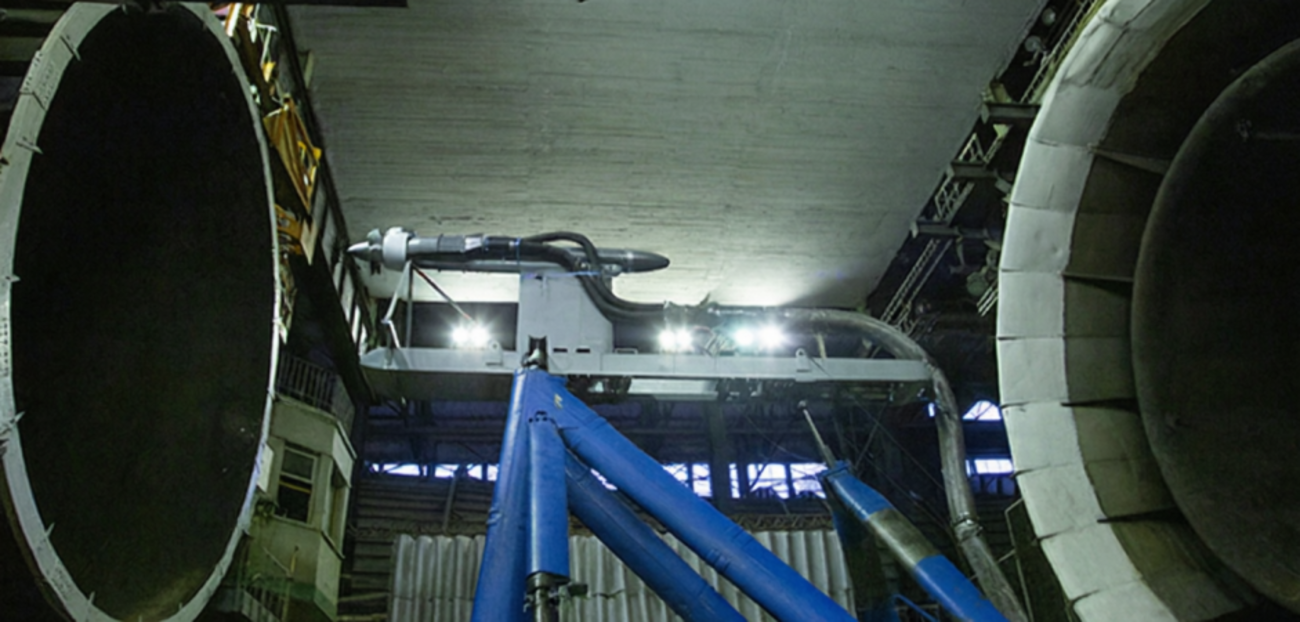
During the research, the flow characteristics at the engine inlet were determined throughout the entire range of angles of attack and sideslip of the aircraft, as well as at various operating modes of the power plant. The obtained experimental data generally coincide with the calculated values. The analysis showed that the air intake fully provides the necessary parameters for the engine.
Read more on the topic:
- TsAGI Completes First Stage of Testing of the "Strizh" Supersonic Civil Aircraft Demonstrator
- TsAGI Tests Oval Fuselages for New Airliners
- TsAGI Improves the Safety of Passenger Aircraft Landing Gear
Never miss our newsAdd this site to your preferred sources to see us more oftenAdd on Google

















