The Research Center "Radiotekhnika" of the military-industrial holding company "Kingisepp Machine-Building Plant" has developed a new electronic module for unmanned aerial vehicles (UAVs). According to Mashnews, the device is designed to expand the functionality of drones of various classes and is fully based on domestic components with its own software, being an analogue of foreign solutions.
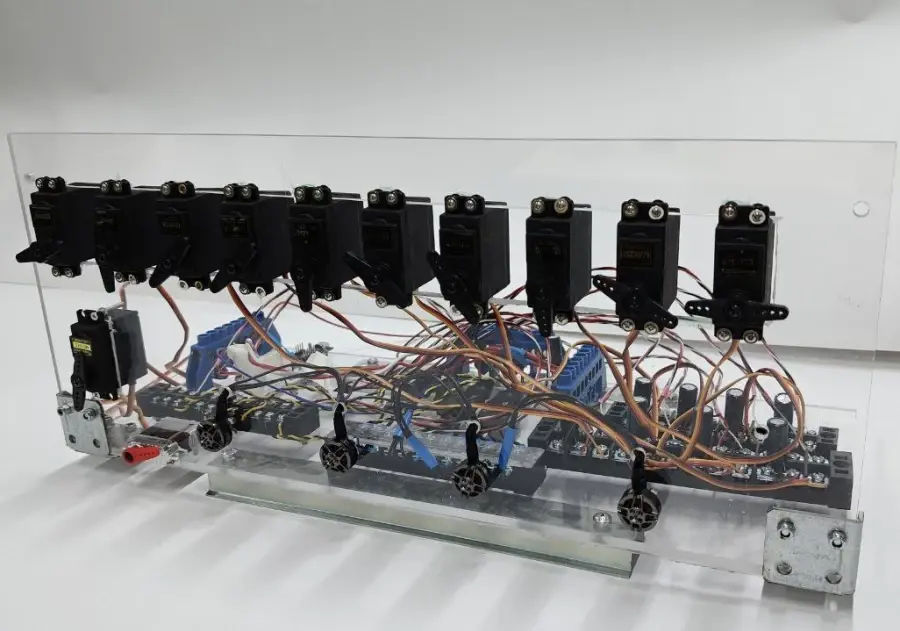
The main advantage of the module is the increase in the number of pulse-width modulation (PWM) channels from 8 to 12. This allows connecting and precisely controlling a large number of servo drives, manipulators, sensors, and other peripheral equipment.
The stability and flexibility of operation are ensured by the modern DroneCAN network protocol, which opens up new opportunities for industrial and specialized UAVs.
To test the module, the specialists created special test benches and used the Russian unmanned complex "Orel 2.0" manufactured by St. Petersburg NPP "Trigger".
Read more materials:
- Import substitution in the production of UAVs is hampered by a shortage of electronics localization
- Development of UAVs and microelectronics based on a new cluster will be carried out in Sevastopol
- Production of the latest brushless electric motors for UAVs has been opened in Russia
Now on home

Plasma ejections from the flares may reach Earth and cause magnetic storms, affecting satellites and communication


Dangerous Trojan Hiding in Pirated PC Games


The goal of the initiative is to create a legal framework for a technology that is already used in construction




The equipment was tested for cross-country ability, handling and reliability in extreme frost
UAV received an expanded set of maneuvers due to the presence of AI

Production fell by 1.5% due to slowing industrial growth and lower demand

The station has already undergone combat deployment