Translated with AI from the Russian original.
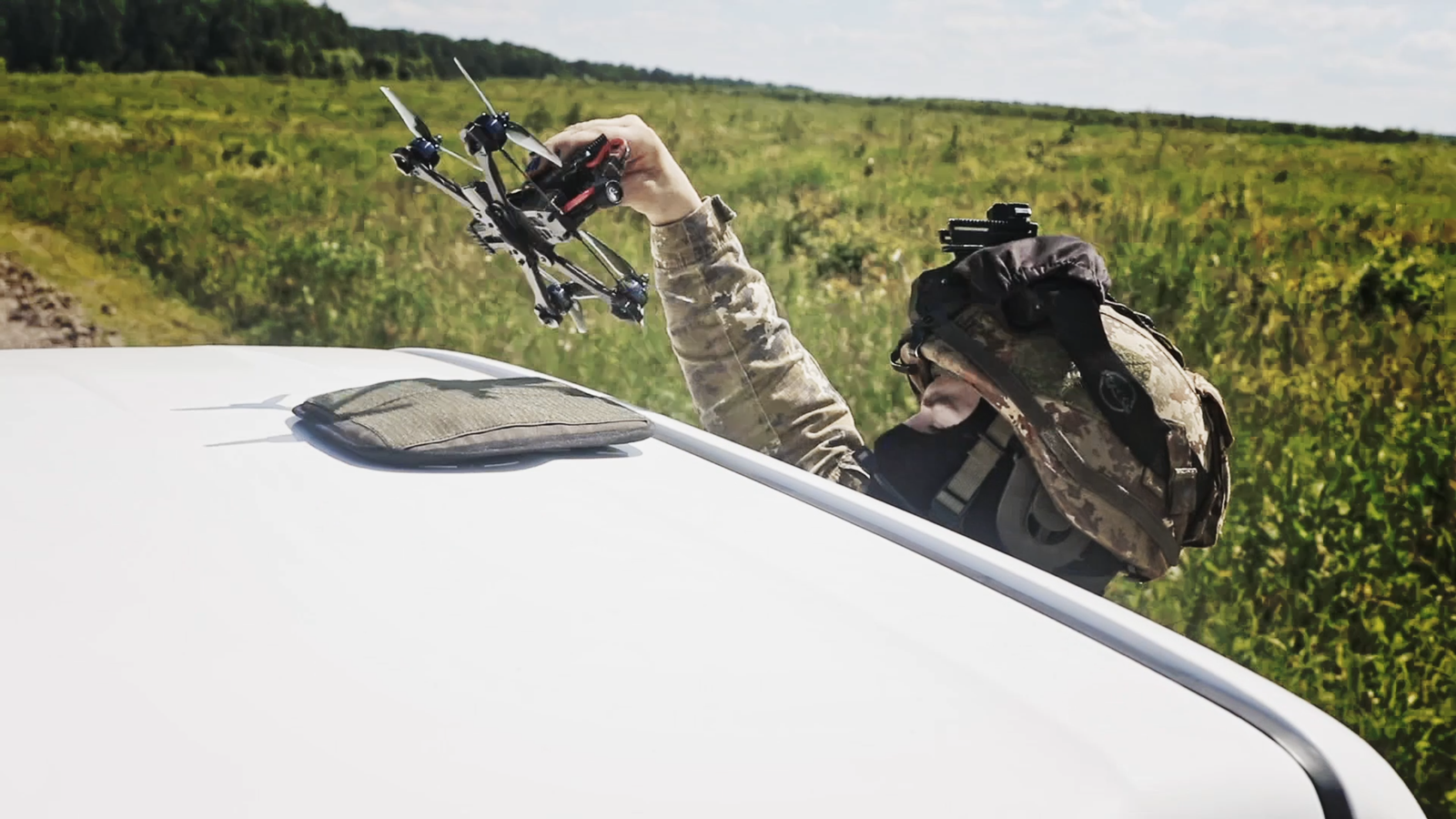
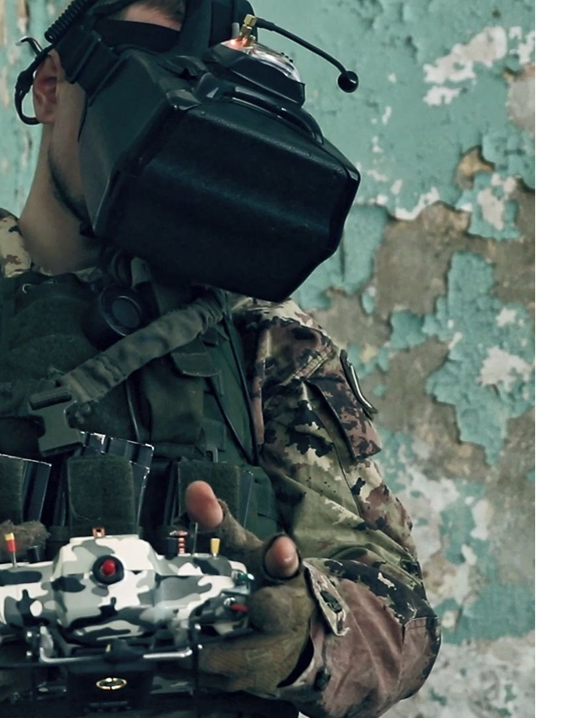
Employees of the Center for Integrated Unmanned Solutions (TsKBR) have foreseen various scenarios for the use of the "Doomsday" FPV drone, which is part of the system for monitoring the level of environmental pollution during nuclear attacks (project "Khrust"). This was stated by the general designer of the center, Dmitry Kuzyakin.
According to Kuzyakin, contrary to popular belief, a nuclear strike will not lead to the instantaneous death of humanity. For several weeks, radioactive dust and ash formed over the epicenters of explosions will be carried by the wind around the planet.
This is the time when it is necessary to evacuate the wounded, create temporary shelters, and determine the routes of movement of equipment and people.
The TsKBR development will be useful for organizing the withdrawal of people from the affected area. The "Doomsday" FPV drone will identify relatively safe locations.
The contamination pattern is uneven, and it will change very quickly. At this stage, fast and mobile remote sensing tools are needed like air.
Kuzyakin noted that the developers modified the "Khrust" system. The FPV drones included in it can operate from armored vehicles and cars. The operator will not have to go out into the open, risking his life. He will be able to accompany evacuation groups without stopping.
Some characteristics of the "Doomsday" drone:
- Flight time - up to 20 minutes
- Range - from 500 m (in a zone of continuous contamination) to 2 km (in zones of variable contamination)
- Operation in motion from armored vehicles
Read more materials on the topic:
- Will serve the Ministry of Emergency Situations and public utilities: a new use has been found for the Khrust combat FPV drones
- Russian "Khrust" will be able to work in the zone of chemical accidents and radiation contamination
- A new Doomsday tank has been created in Russia: the first shots have appeared
Never miss our newsAdd this site to your preferred sources to see us more oftenAdd on Google

















