Translated with AI from the Russian original.
Researchers from St. Petersburg University (SPbSU) have developed a new material that helps deliver modern drugs precisely to diseased cells. This discovery may increase the effectiveness of treating oncological and certain genetic diseases.
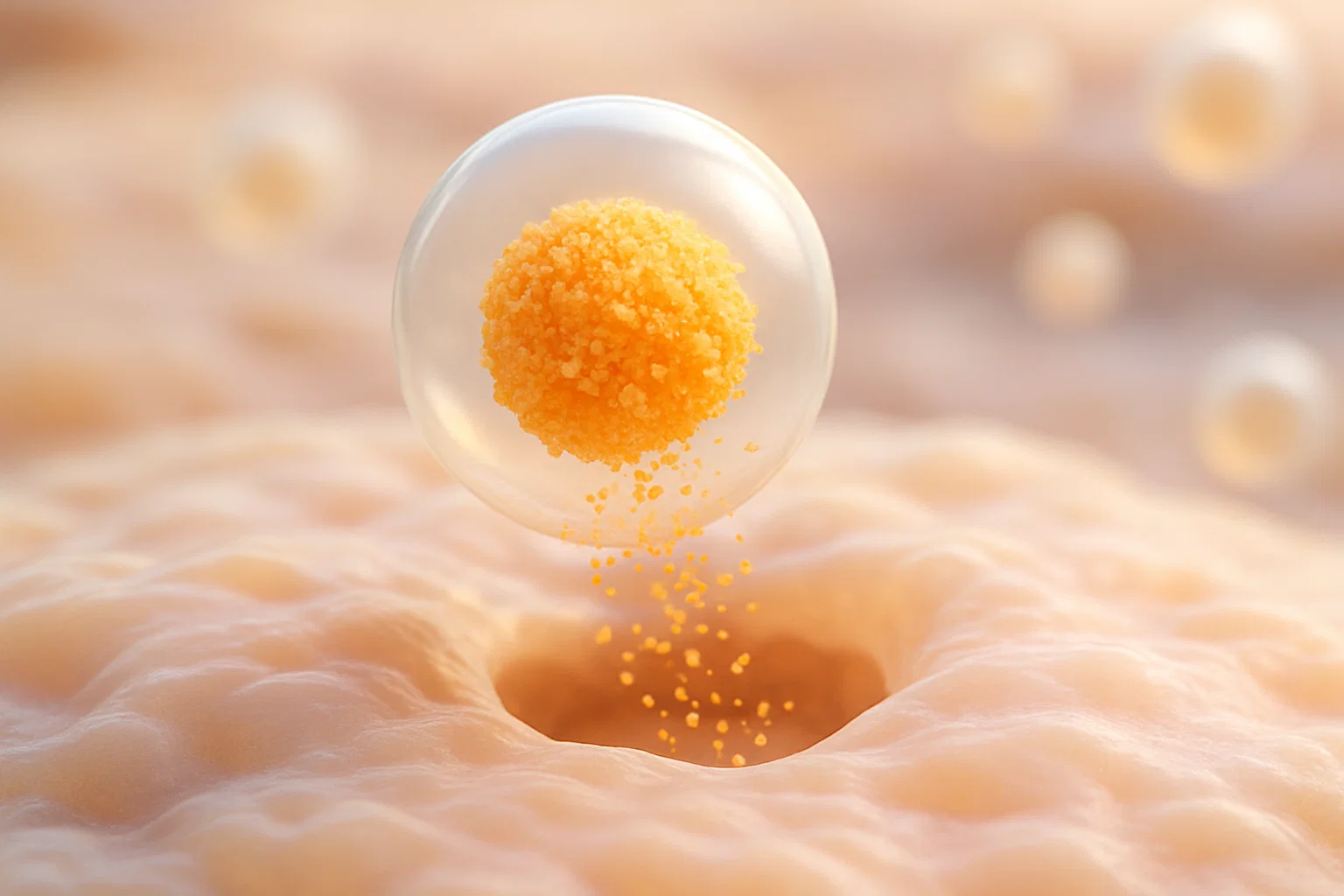
Some advanced treatments use genetic material (RNA) to "turn off" the disease at the cellular level. But the main task is to deliver this medicine exactly to the address, preventing it from being destroyed along the way. Scientists have created a special "container" for this purpose - a polymer based on two safe components: hyaluronic acid (known from cosmetology) and polylysine.
As one of the authors of the development, Viktor Korzhikov-Vlakh, explained, the problem with many carriers is their toxicity and the fact that they do not deliver the drug at the right time. The new material solves both problems: it is non-toxic to the body and ensures that the drug is activated inside the cell to which it was delivered. It can be administered in the usual way - through an IV drip or injection.
We have created a two-component polymer consisting of hyaluronic acid and polylysine. This is a long-known compound found in the human body and used as an antimicrobial agent. The problem with its use is that it firmly "grabs" the nucleic acid and "does not let go" of it. We added hyaluronic acid, which is part of the connective, nervous and epithelial tissues of the body. It neutralizes the possible toxic effects of polylysine and helps it to "give away" the nucleic acid inside the cell.
The effectiveness of the new carrier has already been compared with existing commercial drugs, and it has shown comparable results. The technology for its creation is safe and does not use toxic substances. The work of scientists continues - now there is a stage of more in-depth testing.
Read more materials on the topic:
Vacuum for SKIF: Russian scientists have created a replacement for imported equipment
Space on the back burner: Russian missions to the Moon and Venus have been postponed
Never miss our newsAdd this site to your preferred sources to see us more oftenAdd on Google

















