Translated with AI from the Russian original.
An experimental industrial site for small-scale production of medical devices from polymers will be created in the Scientific and Technological Park of Biomedicine of Sechenov University by the end of 2025.
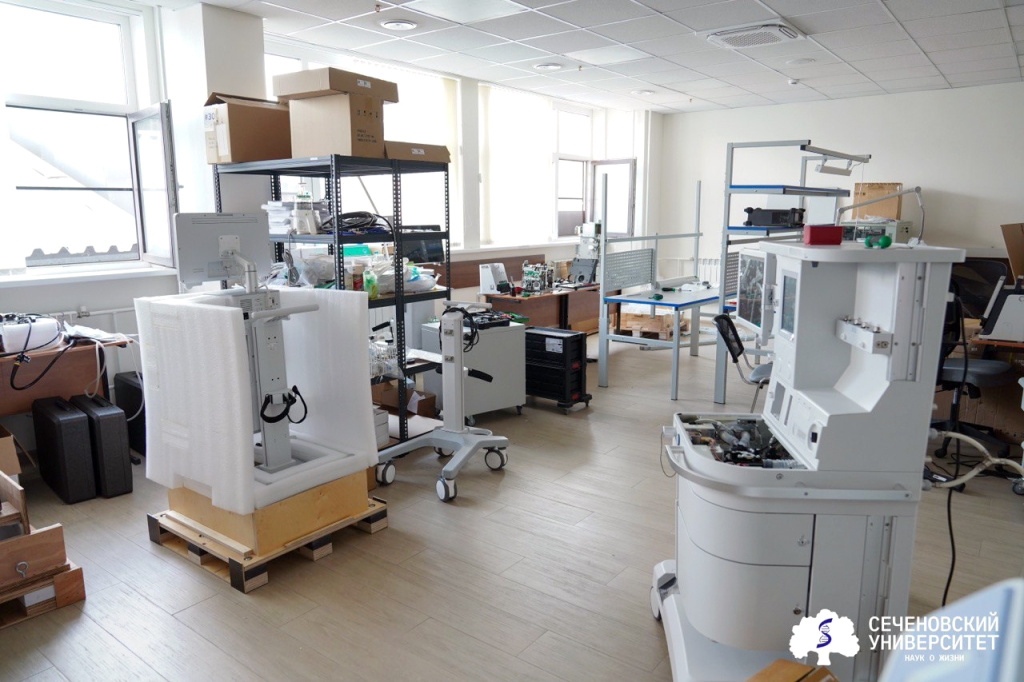
The new production area will occupy 1000 square meters and become part of the University's Center for Engineering Development. About 600 square meters will be allocated for clean rooms with a high level of sterility. Currently, work is underway to prepare the premises, after which the installation of specialized equipment for polymer molding, 3D printing and product manufacturing will begin.
The Center for Engineering Development is the first and only university engineering center in Russia that develops medical devices from polymers in collaboration with industrial partners. Its products will be used in surgery, prosthetics, obstetrics and gynecology, as well as in other areas of medicine. One of the first projects was the creation of implants for maxillofacial surgery from Russian materials.
In addition, the center is engaged in reengineering and improving complex medical equipment, including ventilators and anesthesia machines. Mass production of the developed products is planned to be localized at industrial sites in Moscow and Zelenograd.
A new educational program for training medical engineers will also be created at the center. More than 30 specialists are involved in the projects.
Read more materials on the topic:
Production of a new grade of paper launched in Primorye at the Krasnokamsk Kama mill
Kurchatov Institute uses AI to calculate vaccines against dengue fever and other diseases
Rosatom launches full-cycle production of titanium medical implants
Never miss our newsAdd this site to your preferred sources to see us more oftenAdd on Google

















