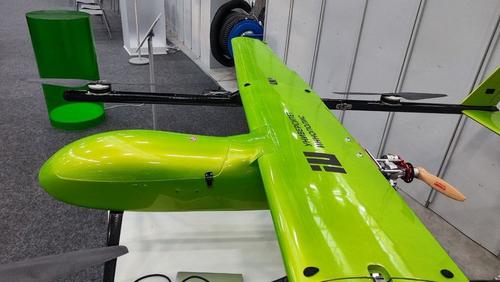
Innopolis University has presented an innovative digital assistant system that optimizes the assembly of InnoVtol-3s drones. These vertical take-off and landing aircraft are used for geodesy, fire monitoring, and transportation of biomaterials. The new development, based on augmented reality and computer vision, reduces production defects by 80% and speeds up assembly by 50%.
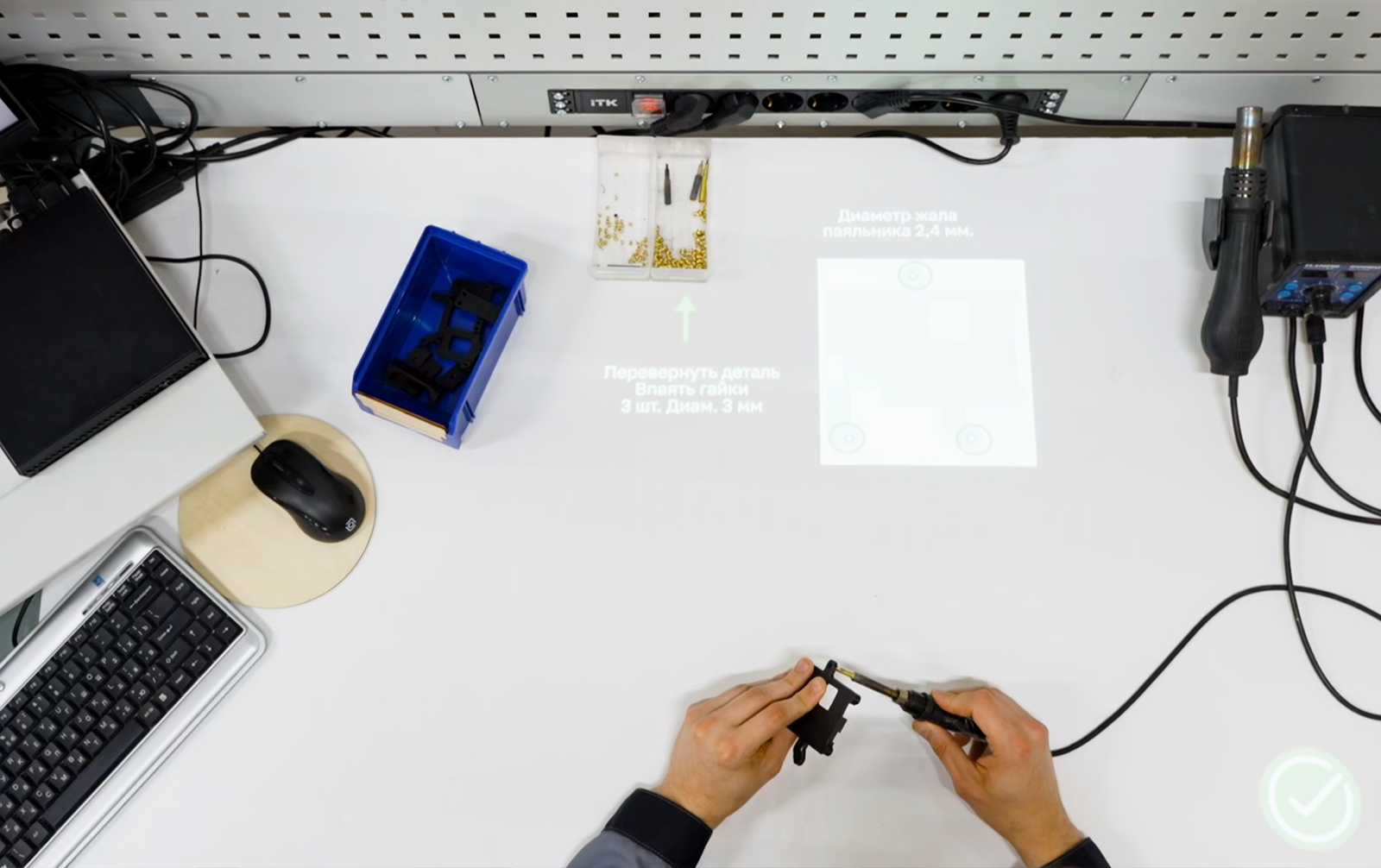
The system includes a camera above the engineer's workstation and software that projects digital instructions onto the table. After authorization, the assembler selects a work stage, and the camera, using AI, recognizes the parts and provides step-by-step prompts - visual and voice. If the engineer makes a mistake, the system emits an audible signal, which is especially important at high production speeds and with complex components.
We, like many industrial companies in the country, face the problems of a shortage of highly qualified personnel or limited time to train such specialists for the assembly and production of technologically complex products. In our small production of our own drones for geodesy and monitoring of industrial facilities, we have learned to solve these issues through the introduction of digital assistants. In addition, the use of such systems in the future will allow us to scale the assembly of our drones.
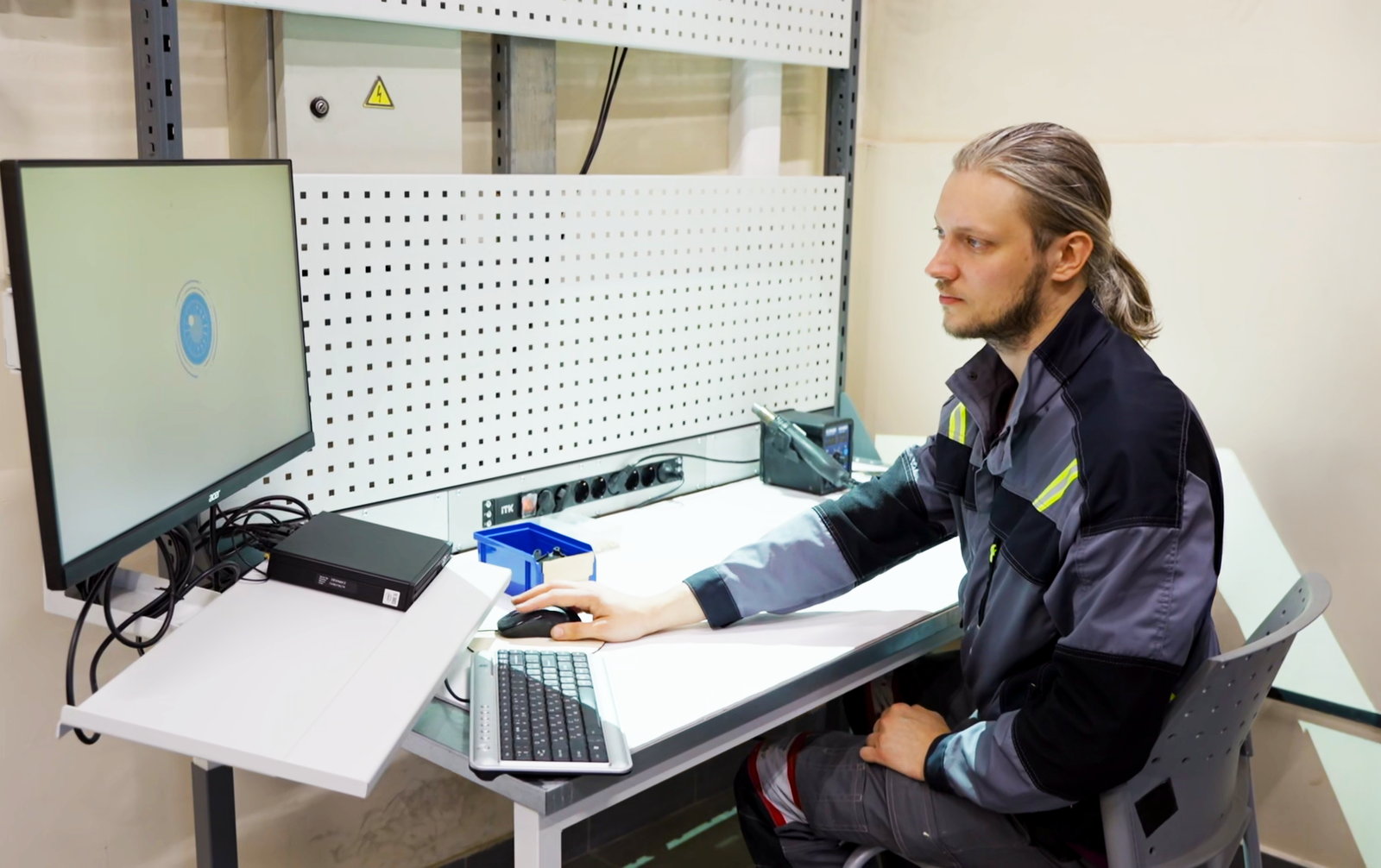
The system simplifies the training of new employees, allowing them to assemble drones without lengthy preparation. In the future, the technology will enable assembly anywhere in the world - all that is needed are components and a digital assistant.
InnoVtol-3s characteristics:
- Cruising speed: 80 km/h.
- Flight range: up to 300 km.
- Payload: up to 5 kg.
- Flight time: 4 hours.
The development of Innopolis University sets a new standard for the production of complex equipment. The system is already being used in Tatarstan and can be adapted for other industries where accuracy and speed of assembly are important.
Read more related materials:
Filming even in extreme conditions: Russian UAV received advanced laser scanner
Flew 2 km in 4 minutes: new courier drone tested in Innopolis
Never miss our newsAdd this site to your preferred sources to see us more oftenAdd on Google

















