Malefactors have begun calling schoolchildren and their parents, introducing themselves as employees of the Ministry of Education or members of examination boards. They convince them that it is necessary to urgently register on a special portal for passing the Unified State Exam. The goal of the scammers is to obtain an SMS code from the victim, which is allegedly required to be entered to confirm their identity. This was reported by Anton Nemkin, a member of the State Duma Committee on Information Policy and federal coordinator of the "Digital Russia" party project.
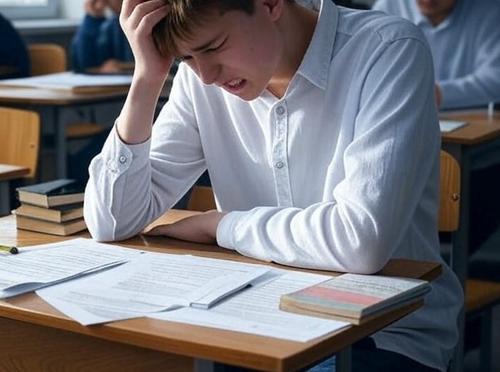
The new scam scheme related to the Unified State Exam is aimed at schoolchildren and their parents - people who are in a stressful situation due to the upcoming exams. Malefactors call under the guise of employees of the Ministry of Education or representatives of examination boards and report the need for urgent registration on a special "Unified State Exam submission portal." Under the pretext of "the need for urgent authorization," they ask to dictate the code from the SMS, allegedly to confirm identity.
The deputy explained that in practice, such codes are one-time passwords that are sent from real services to confirm transactions or log in to accounts. He noted that malefactors can use these codes to gain access to personal accounts, electronic diaries, accounts on government portals, or even banking applications if the phone number is already linked.
All of this can lead to the disclosure of personal data and financial losses. It is necessary to realize that real employees of state organizations never request SMS codes over the phone, especially in a persistent or threatening manner.
All registration procedures related to the Unified State Exam are carried out in a centralized manner through schools with the involvement of parents or legal representatives. If you receive such a call, you must immediately end the conversation and contact the school or education department for clarification.
The parliamentarian noted that it is important to conduct a preventive conversation in advance to protect schoolchildren. During the conversation, it is necessary to explain to children that any calls requesting codes, passwords, or personal data are fraud.
Parents should also be vigilant: enable two-factor authentication on children's accounts, restrict access to financial applications on smartphones, and monitor suspicious calls and messages. But the main protection is awareness. The sooner a child learns how scammers operate, the less likely they are to fall for the trick.
Scammers have found another way to deceive Russians - they sendfake notifications about checking the hot water outage schedule via email, messengers, and social networks with links to check information. Clicking on fake sites can lead to malefactors intercepting access to your profile or installing malicious software on your device.
Read more on the topic:
The Ministry of Internal Affairs named a proven way to scare away a scammer
The volume of theft through banks in the first quarter of 2025 decreased by 25%
The army of droppers in Russia has grown to 2 million: scammers are changing tactics
A survey showed that most Russians install unverified applications from the Internet
Never miss our newsAdd this site to your preferred sources to see us more oftenAdd on Google

















