The Perm National Research Polytechnic University (PNRPU) has developed the first technology in Russia for processing meat processing plant waste into medical raw materials for the production of biologically active additives (BAA), sports nutrition and cosmetics. This was reported by the press service of the university.
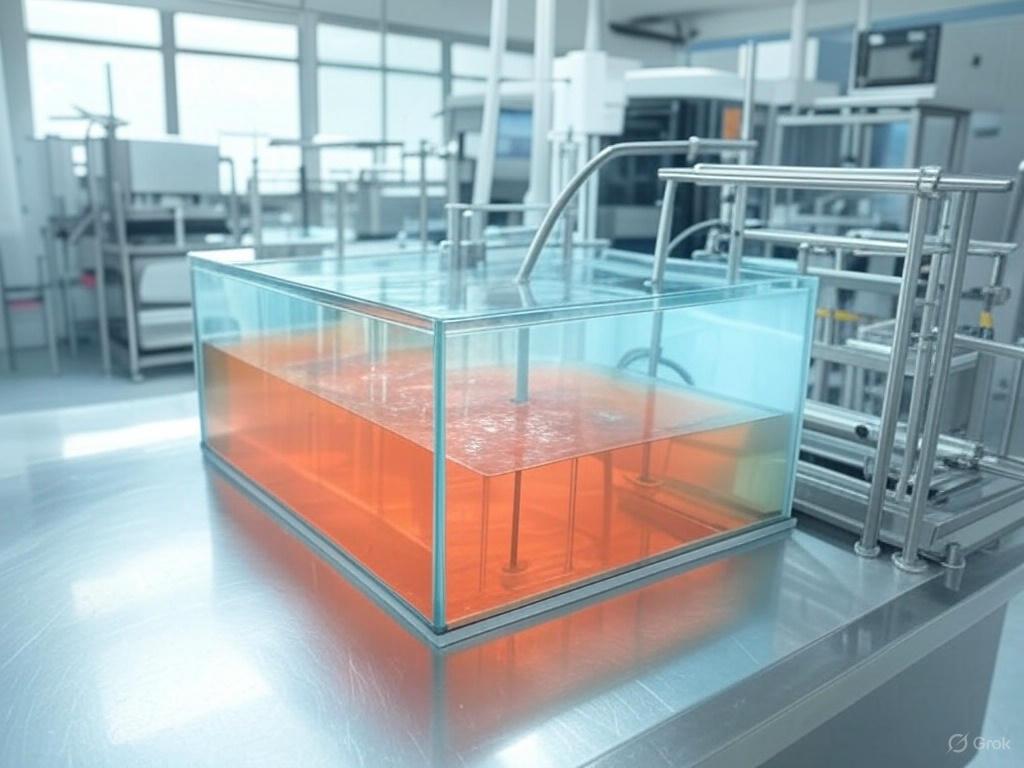
The developed set of equipment is a "mini-processing plant" where meat processing plant residues undergo primary preparation. Waste is separated from packaging, crushed and mixed with water under pressure. Then the process of hydrothermalysis begins - heating the waste together with water for their decomposition under high pressure. The result is the final product (collagen, protein or fat), as well as ash residue and waste water.
Scientists processed 10 kg of meat waste at a temperature of 200°C and a pressure of 50 atmospheres.
We recalculated the results obtained in proportions per 1 ton: with the help of our equipment, 150 kg of protein mixture, 120 kg of collagen and 50 kg of technical fat can be obtained from a ton of non-food residues. Most of the residue will dissolve in water and can be safely discharged into the drain, only up to 100 kg of ash residue will go to burial, which will reduce the volume of meat waste exported to landfills by 10 times.
Similar equipment uses only 30-50% of meat waste. The new development processes any residues of meat processing plants (blood, bones, meat).
The development opens the way to the creation of native collagen, which is used in cosmetology and medicine.
In recent discoveries, native collagen has become the main bioprinter for 3D printing of organs. This is the type of collagen we were able to obtain after processing pig skin, using carbon dioxide and alcohol as solvents, at a temperature of 40°C Celsius and a pressure of 350 atmospheres.
Currently, researchers are working on creating industrial equipment based on the results obtained.
Earlier www1.ru reported that in St. Petersburg created thermal insulation material from waste - foam glass.
Read materials on the topic:
Scientists in Voronezh have found a new way to extract collagen from fish
Anti-burn remedy based on collagen created in Pushchino
A neuron has been created to restore damaged neural networks of the spinal cord
Never miss our newsAdd this site to your preferred sources to see us more oftenAdd on Google

















