Translated with AI from the Russian original.
An insider told how the Lada Iskra bodies are assembled in one of the AvtoVAZ workshops. The production has been successfully operating after the departure of the French shareholders three years ago.
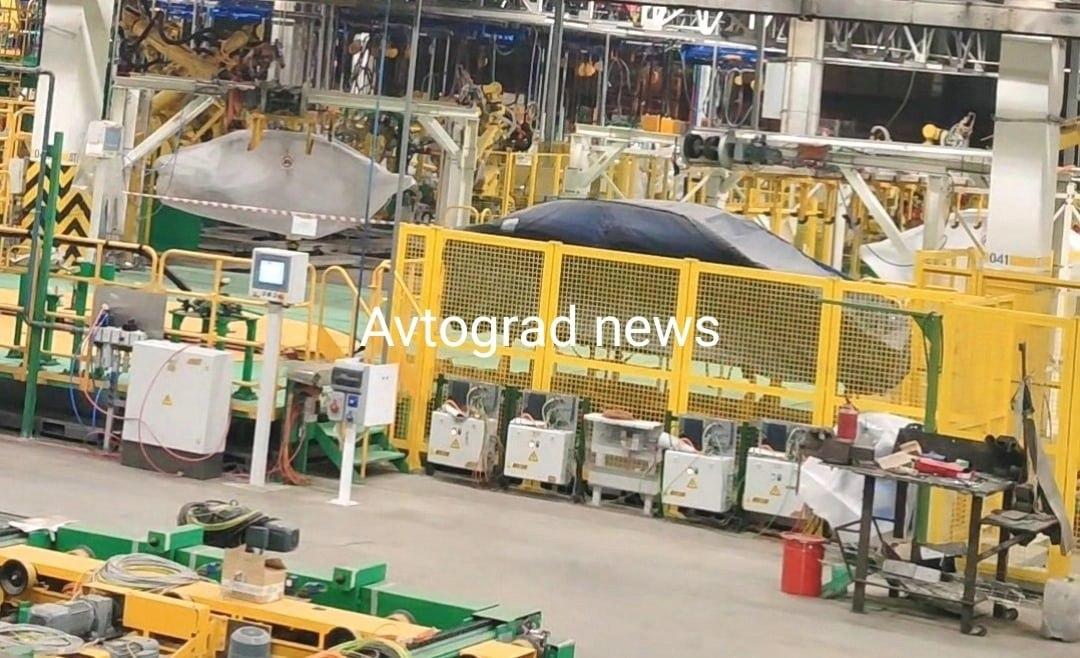
Judging by the stamped parts on the storage racks, all the front panels are made of galvanized steel sheet (except for the roof) supplied by MMK. It would be wrong to say that Iskra will be made by robots (as some media enthusiastically write), robots are mainly on the line for final welding, the main operations are performed manually by MKS welders with tongs, somewhere around 70%.
It was noted that French technologies initially implied a lot of manual labor. Despite this, all production standards are met.
The paradox of AvtoVAZ workers, no matter how much they optimize the number and increase production rates, the working time invariably ends. For example, in building 062, 5 people welded the side of the Niva shorty, the norm was 134 pieces, now 3 people weld 170 quite successfully.
Earlier www1.ru reported that the first serial Lada Iskra went to customers.
Read materials on the topic:
Lada Iskra configuration revealed: in the base, the car will receive two airbags
AvtoVAZ first showed the Lada Iskra SW Cross station wagon: first look at the new product
Lada Iskra Sport turned into a museum exhibit
Never miss our newsAdd this site to your preferred sources to see us more oftenAdd on Google

















